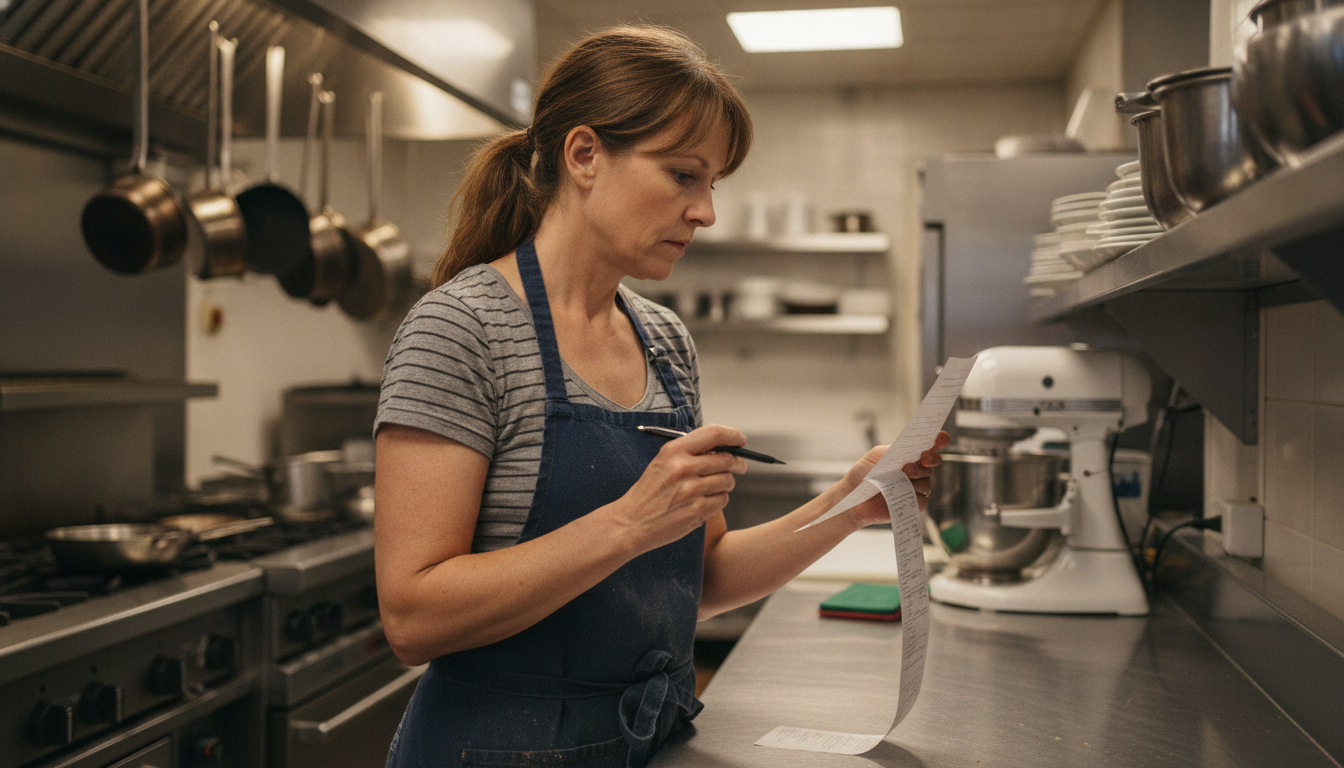
Run this number right now. Take the average amount a customer spends per visit. Multiply it by how many times a year a happy regular comes back. Then multiply that by three years - a conservative loyal-customer window. For a restaurant with a $35 average ticket and a regular who visits twice a month, that is $2,520 over three years. A new customer acquired through paid social, who visits once and never returns, is worth $35. Most local owners are spending the bulk of their marketing budget chasing the $35 person while the $2,520 customers go quietly cold. This is the retention gap - and closing even a fraction of it is the fastest revenue move available to any physical local business.
The Math Most Owners Have Never Actually Run
Customer lifetime value (CLV) sounds like a metric for venture-backed startups. It is not. It is the single number that should be setting your marketing priorities. And for most local businesses, when owners finally calculate it, the gap between what a loyal repeat customer is worth versus a one-time visitor is so wide it changes how they think about every pound or dollar they spend on marketing.
- A hair salon client who comes in every six weeks spends roughly $800-$1,200 per year. Over four years, that is $4,800 at minimum - before referrals.
- A butcher shop regular spending $40 a week is worth over $6,000 across three years. A first-time walk-in who buys once is worth $40.
- A yoga studio member on a monthly plan at $90 per month - retained for two years - delivers $2,160. A single class drop-in delivers $18.
- Acquiring a new customer costs roughly five times more than retaining an existing one. So every lost regular costs you twice: the CLV you forfeit and the acquisition cost to replace them.
- Industry averages suggest a 5% improvement in retention can increase profits by 25-95%, depending on your margins and visit frequency.
None of this requires a finance degree to act on. It requires one honest look at your customer data - how often people come back, when they stop, and what triggers the gap. Most POS systems and booking tools are sitting on exactly this information. The problem is that almost nobody is using it to drive marketing decisions.
Three Reactivation Moves You Can Deploy This Week
Reactivation is not about blasting a discount to everyone on your list. It is about identifying the specific customers who are at risk of going cold - or who already have - and sending them a message that feels personal enough to pull them back. Here are three moves that work across restaurants, salons, retail, and service businesses alike.
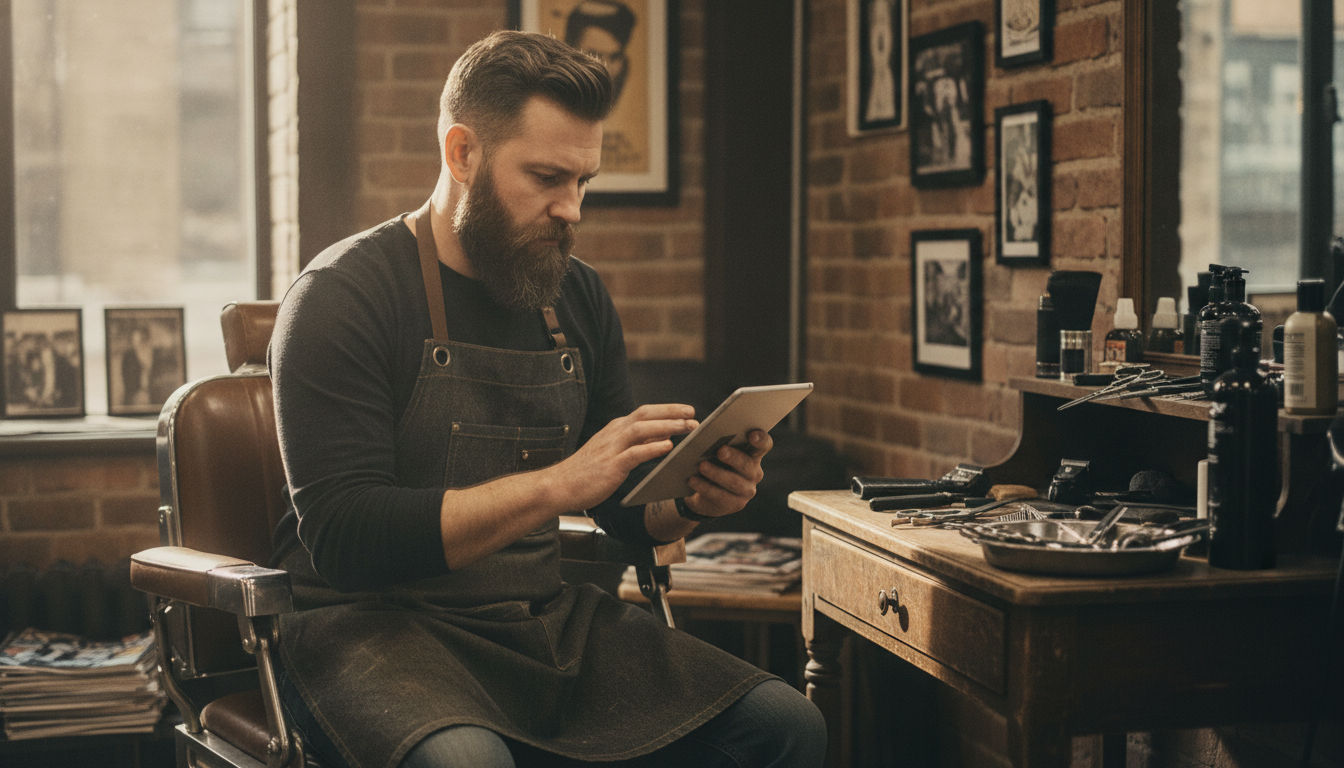
Move 1: Find Your 60-Day Gone List
Pull every customer who visited regularly - at least twice in a six-month window - but has not been back in 60 days or more. This is your highest-value reactivation audience because they already know you, liked you enough to return once, and have simply drifted. A short, direct message works best here. Not a promotion - a genuine check-in. 'We noticed it has been a while. Your usual table is here when you are ready.' That kind of message converts at two to three times the rate of a generic offer because it signals that you actually noticed they were gone. Platforms like Rulrr can build this segment automatically from POS data and trigger the message on a schedule, so you are not pulling lists manually every week.
Move 2: The 90-Day Win-Back Offer
Customers who have been gone 90 days or more need a stronger pull. This is where a targeted offer makes sense - but structure it as a value add, not a discount. A free add-on, a priority booking slot, a small gift with next visit, a tasting if you are a restaurant. The goal is to give them a reason to act now, without training them to wait for markdowns. Keep the message short: remind them what they loved, give them one clear next step, and make it easy to book or visit. A well-timed 90-day win-back sequence typically recovers 10-20% of lapsed customers who would otherwise have been written off permanently.
Move 3: The Loyalty Trigger for Customers on the Edge
Before customers go cold, there is usually a window where their visit frequency starts to dip - from every three weeks to every five, from monthly to every two months. Catching them here, before they fully lapse, is cheaper and easier than winning them back later. Set a trigger: if a customer's gap between visits exceeds their personal average by 50%, send them something. It does not need to be elaborate. A message referencing their last visit - 'It has been a few weeks since your last appointment - we have a slot open Thursday if that works' - is enough to re-establish the habit. The specificity of the timing is what makes it feel personal rather than automated.
The best retention marketing does not feel like marketing. It feels like a business that actually pays attention to you.
Making This Run Without You
The reason most local owners never run these sequences is not that they do not see the value - it is that pulling lists, writing messages, and timing sends manually is a part-time job on top of an already full one. The shift happens when reactivation becomes a workflow rather than a task. Rulrr's POS-connected marketing layer is built specifically for this: it reads visit and transaction data, segments customers automatically by recency and frequency, and triggers the right message at the right window without the owner lifting a finger. A solo operator running a cafe or a boutique can have all three reactivation sequences live and working by the end of the week, and from that point they run on autopilot.
Where to Start Today
You do not need all three moves running simultaneously on day one. Pick the one that matches your most urgent gap. If your booking or transaction data shows a long tail of people who visited twice and then disappeared, start with the 60-day list. If you have customers who have not been in since last season, run the 90-day win-back. If you have a strong regular base but feel visits getting slightly less frequent, build the loyalty trigger. The math compounds fast: recovering even 15 customers who each had a $1,200 annual value is $18,000 in recovered revenue - from people who already know and like your business. That is almost always a better return than the next paid campaign aimed at strangers.
- Step 1: Pull your customer visit history from your POS or booking system and identify anyone with two or more past visits who has not returned in 60-plus days.
- Step 2: Write three short messages - one for 60-day lapsed customers, one for 90-day, one for frequency dippers - and keep each under 60 words.
- Step 3: Set a calendar reminder to review reactivation results every 30 days and adjust the offer or timing based on what is converting.
- Step 4: Once the logic is working manually, move it into an automated workflow so the sequences fire without any ongoing effort on your part.
- Step 5: Reinvest a portion of the recovered revenue into retention - loyalty perks, exclusive early access, birthday treats - rather than pouring it back into acquisition.
The budget rebalance does not mean stopping all new customer acquisition. It means recognising that the highest-return marketing you can do right now is probably sitting in a list of people who already walked through your door - and just need a good reason to come back.