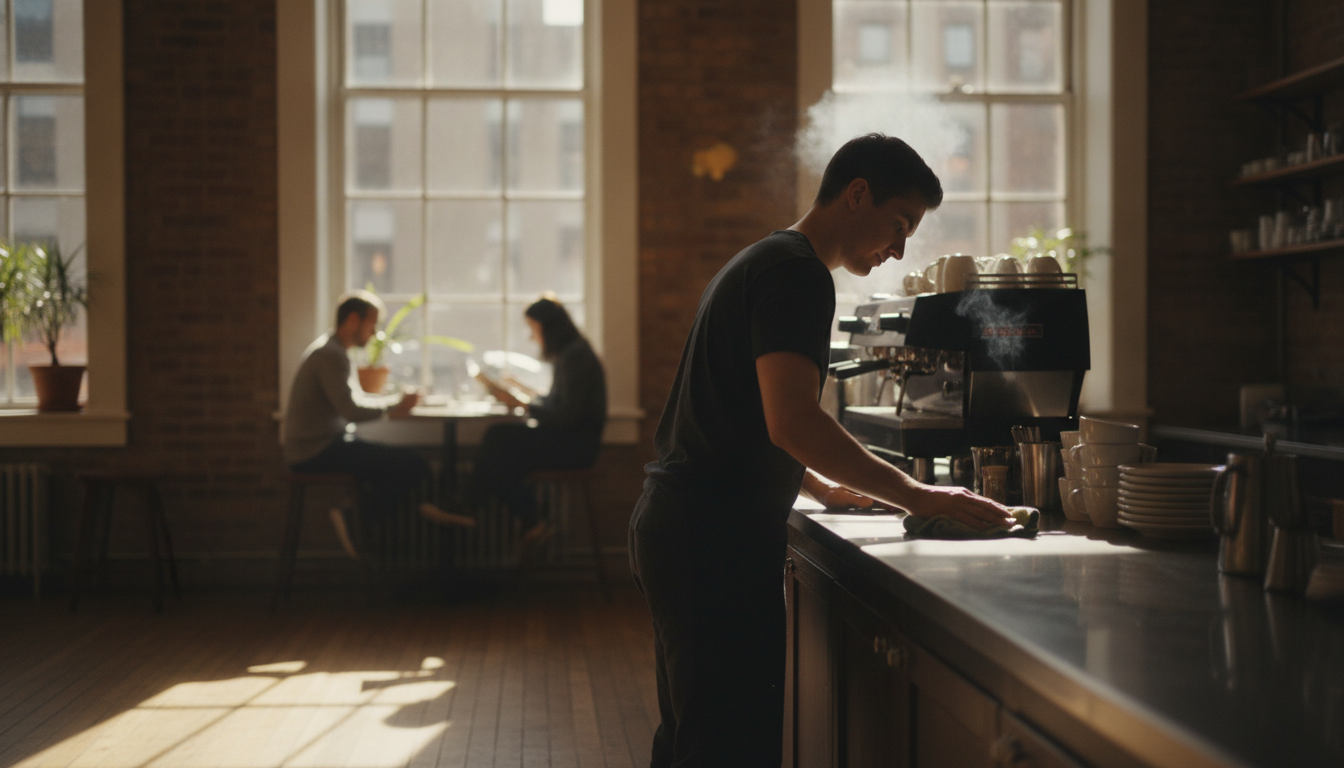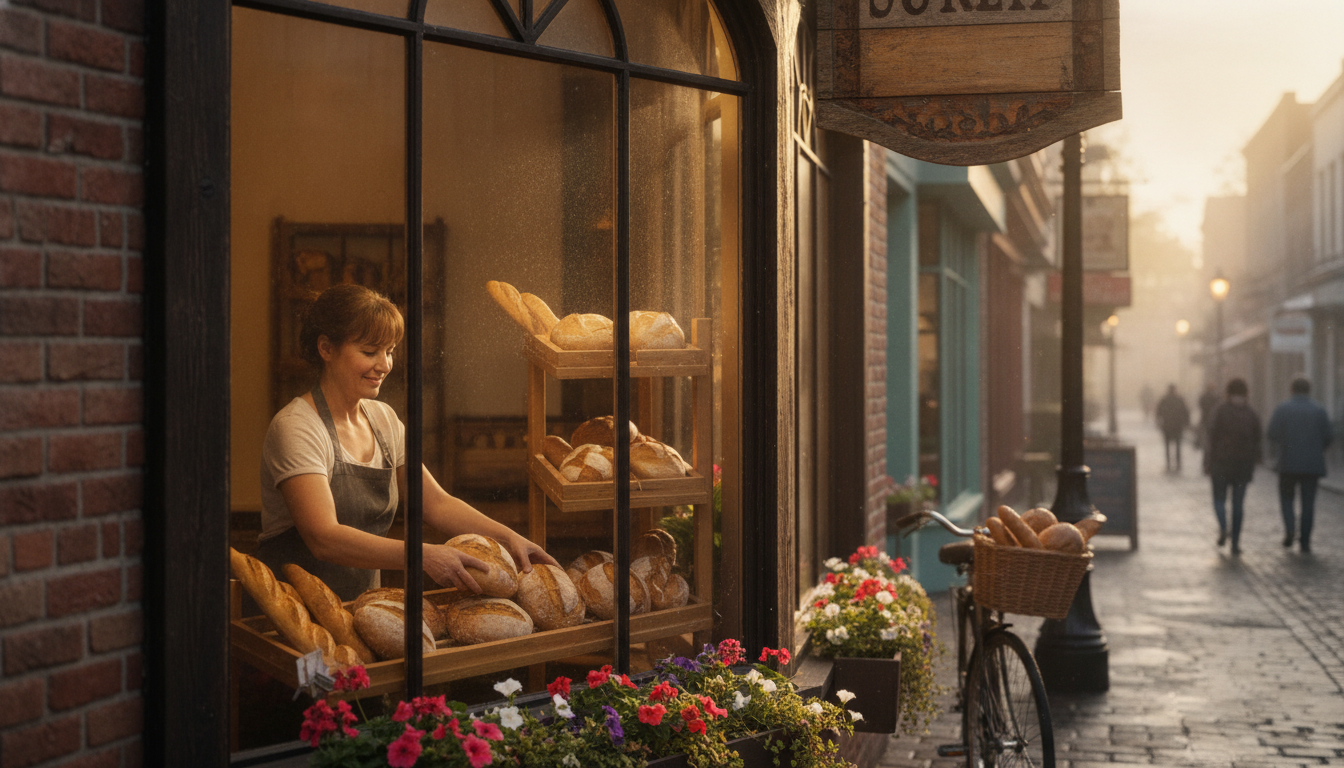
Take your average quiet shift - Tuesday lunch, Thursday afternoon, Sunday evening - and count the covers, appointments, or transactions you actually do versus what the space could handle. Now multiply the gap by your average spend per customer, and then by 52. For most restaurant owners, salon managers, and independent retailers, that number lands somewhere between £25,000 and £35,000 a year. Not lost to a competitor. Not lost to a bad review. Lost to a window of time that nobody thought to market into. The fix isn't a bigger ad budget or a loyalty card scheme. It is one message, sent to the right people, the evening before every slow shift - built once and automated forever.
The Maths That Make the Urgency Undeniable
Most owners treat their dead window as a fixed cost - staff wages ticking over, heating on, stock sitting. It feels structural. It isn't. Dead windows are a messaging gap disguised as a demand gap. Here is a quick back-of-envelope calculation worth doing right now: take your average revenue per occupied table, chair, or transaction. Estimate how many you run during your slowest three-hour shift. Now estimate realistic capacity. The difference - even if you close just 30 percent of that gap - is almost always four figures a month. A restaurant doing £18 average spend per cover, with 12 empty covers across a quiet Tuesday lunch, is leaving £216 on the table every single week. That is £864 a month. £10,368 a year. From one shift. Multiply across two slow windows and you are well past £20,000 annually - and that is a conservative model.
We assumed Tuesday was just quiet. Turns out it was quiet because we had never once given anyone a reason to come on a Tuesday.
Why the Evening-Before Message Works So Well
Timing is the variable most owners skip straight over. They either post in the moment - 'come in today, it's quiet!' - which reads as desperate and converts poorly, or they broadcast a general weekly offer that lands when the customer is nowhere near a buying decision. The evening-before window is different. It catches people at the point they are actually thinking about tomorrow: what to have for lunch, whether to book a blowdry, whether to pop into the shop. A message that arrives at 7pm on Monday night for a Tuesday offer is not a last-minute panic. It is a well-timed nudge into a decision that was already forming. Done well, it feels like insider access, not a discount alert.
- Send the night before, not the morning of - decision windows are in the evening, not at 9am
- Anchor the offer to the time slot specifically ('lunch tomorrow', 'Thursday afternoon only') - specificity drives urgency without manufactured scarcity
- Lead with a benefit, not a discount - 'grab a table before the weekend rush' outperforms '20% off' for repeat customers
- Segment by recency - customers who visited in the last 60 days convert at 3-4x the rate of cold contacts
- Keep the message under 60 words - attention is short and the call to action should be impossible to miss
- Include exactly one action: a booking link, a reply, or a walk-in instruction - not all three
Building the Campaign Once and Letting It Run
The reason most owners never implement this is the repetition. Writing and sending a message every Monday evening for the rest of your trading life sounds exhausting - because it is, done manually. The entire value of the approach collapses if it requires weekly attention. This is precisely where automation earns its keep. In Rulrr, you define your slow window, set the send time, build your message once with a clear offer and a single call to action, and assign it to the relevant customer segment. The campaign runs on its own schedule, every week, without you touching it again. You review performance when it suits you, adjust the offer seasonally, and otherwise get out of the way. That is the real unlock: the discipline of consistency, without the labour of consistency.
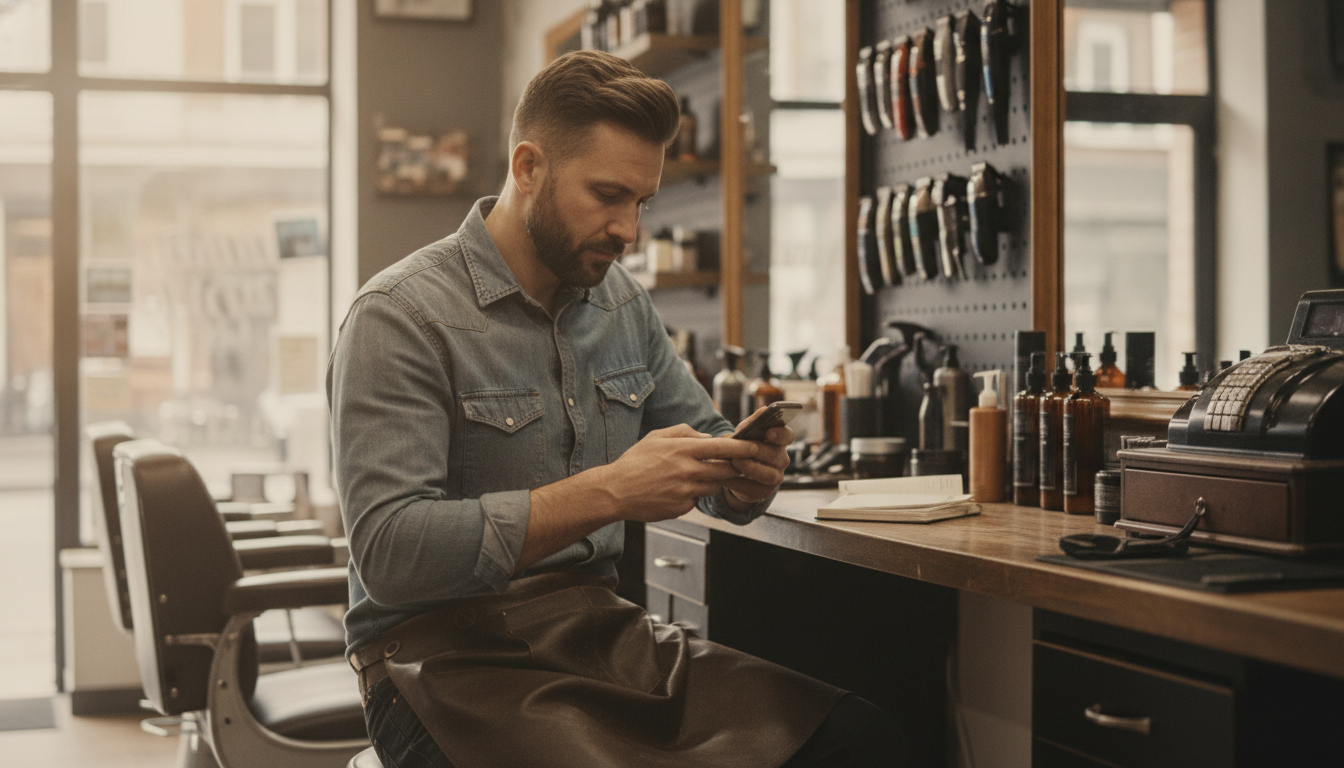
The Offer Structure That Moves People Without Training Them to Wait
The single biggest mistake owners make when filling slow shifts is defaulting to a price cut. A discount works once. What it also does is signal to your regulars that if they wait for a quiet Tuesday, they will pay less. You have just trained your best customers to avoid your busiest, most profitable windows. The smarter structure is value addition, not price reduction. Add something that costs you little but feels like access: a complimentary side dish on Tuesday lunch bookings, an express appointment slot on Thursday afternoons, first access to a new product line before the weekend rush. The customer gets something real. You protect your margin. And critically, the offer only exists during the window you need to fill - so it creates genuine scarcity without manufactured urgency.

One Campaign, Every Quiet Window, Zero Weekly Effort
The businesses that consistently fill their slow shifts are not running clever one-off promotions. They have a system that works the same way every week: a defined window, a built message, a targeted audience, and an automated send time. That system compounds. After six weeks, you have performance data. After three months, you have a second campaign optimised from the first. After a year, your 'dead' shift is generating revenue you have entirely stopped thinking about - because the machine is running without you. Set it up once. Review it quarterly. Let it work the other 51 weeks.
The Practical Setup: What You Need Before You Launch
- Identify your two slowest windows - be honest, check your actual transaction data rather than guessing
- Pull a list of customers who visited in the last 90 days - this is your highest-converting segment for reactivation
- Write three versions of your offer message (short, specific, one action each) and pick the strongest
- Set your send time for 7-8pm the evening before the slow shift - not the morning of
- Define a simple success metric before you start: covers booked, appointments filled, or footfall versus baseline
- Schedule a 30-minute review after four weeks to compare performance and adjust the offer if needed
The slow shift is not a law of physics. It is a marketing gap that nobody has bothered to close yet. One message, sent at the right moment, to the right slice of your existing customer base, built inside a platform like Rulrr and automated to run without you - that is all it takes to start converting dead overhead into real revenue. The maths are on your side. The timing is on your side. The only thing left is to build the campaign and get out of its way.