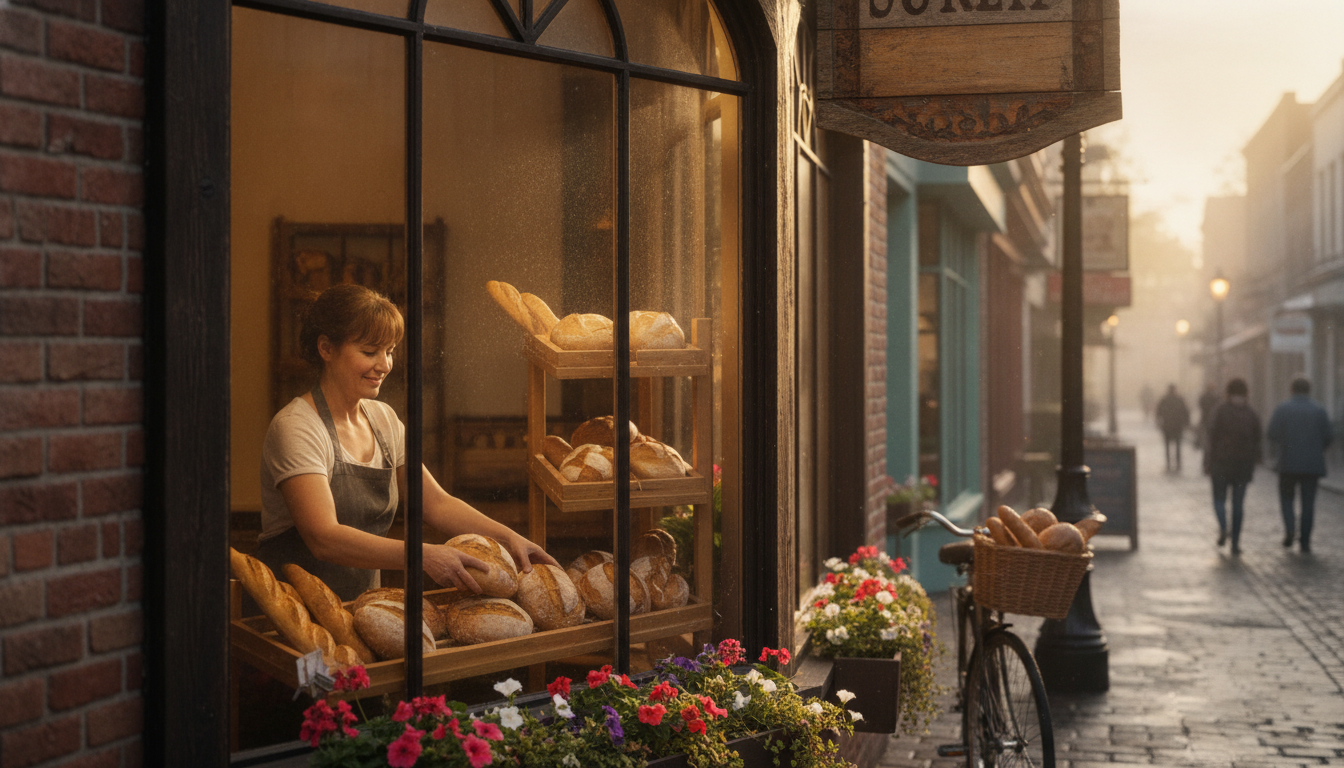
Somewhere in your city right now, a restaurant owner is posting to Instagram every single day - flat lays of their specials, reposted stories, a Reel they stayed up until 11pm to edit. Their engagement is flat. Their follower count barely moves. Three streets away, a competitor posts three times a week, and their tables are full on a Wednesday. The difference is not effort. It is not even budget. It is a fundamental misunderstanding of what Instagram actually rewards for a physical local business - and what it does not.
Why the Volume Trap Is Worse for Local Businesses Than Anyone Else
The 'post every day' rule was never written for a boutique on a high street or a neighbourhood barbershop. It was lifted from influencer playbooks and brand accounts chasing global reach - where raw volume genuinely feeds the algorithm. For a physical local business, the math works differently. Your addressable audience is not 2 million people. It is the 15,000 to 80,000 who live, work, or pass through your trading radius. Saturating a small audience with daily content does not build loyalty - it builds fatigue. Instagram's own internal data has repeatedly shown that save rates and shares - the signals that drive real reach - are far more sensitive to content quality and timing than to posting frequency. When you post every day and most of those posts are filler, you train the algorithm to treat your account as low-signal noise.
We went from posting seven days a week to three targeted posts, and bookings from Instagram doubled in six weeks. We just stopped talking to everyone and started talking to the right people at the right moment.
The Three-Signal Formula That Actually Drives Footfall
For a local business, Instagram content converts to footfall when it hits three specific signals simultaneously. Miss any one of them and you are producing content that gets scrolled past. Hit all three and a single post can fill a slow Tuesday.
- Radius relevance - Does the content speak directly to someone within walking or driving distance? Generic 'we love our customers' posts do nothing. A post that names the street, the neighbourhood, the local event happening this weekend, or the weather today creates an instant recognition trigger. National brands cannot fake this. You can do it naturally.
- Moment specificity - Is the content anchored to a real, timely trigger that creates urgency? A craving ('our sourdough is out of the oven right now'), a local calendar moment ('the farmers market is back this Saturday - here is what we are making with fresh produce this week'), or a day-of prompt ('it is raining and we have 4 seats left at the bar') all create a reason to act today, not eventually.
- Conversion clarity - Does the content give the viewer a single, frictionless next step? The biggest reason local Instagram content fails to drive footfall is not the image or the caption - it is the absence of a clear action. A link to a booking page, a DM prompt, a 'show this post for a free coffee' mechanic, or a Google Maps link in the caption. One action. Every post.
What Three Posts a Week Actually Looks Like in Practice
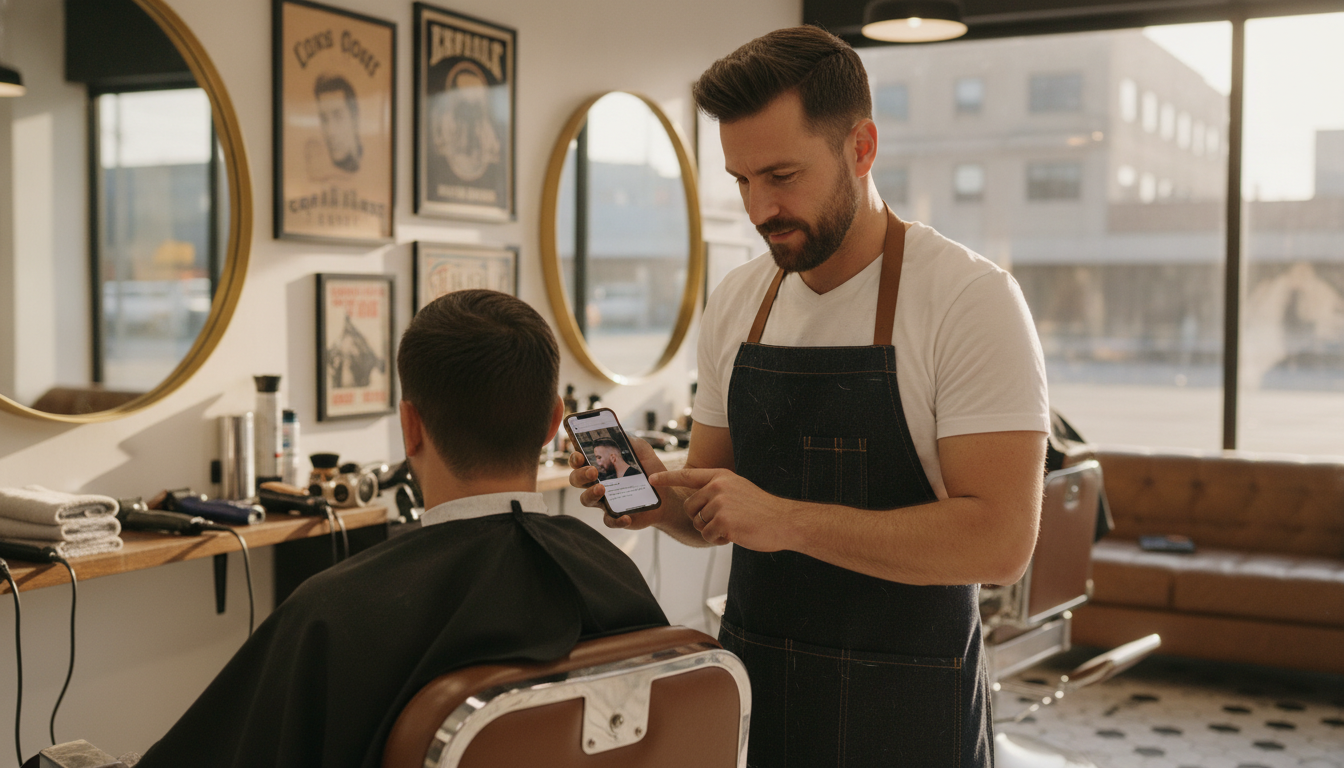
Cutting frequency only works if you replace volume with intentionality. The owners seeing the strongest results from a reduced cadence are not just posting less - they are using a simple three-post structure each week that covers the three signals without requiring a content team or a full creative session.
- Post one - Monday or Tuesday: A 'this week' anchor post that sets context. What is special this week, what is new, what local moment (event, season, weather, neighbourhood news) is relevant right now. This trains your local audience to check in at the start of the week.
- Post two - Thursday: A conversion-focused post built around one specific product, dish, service, or offer with a clear, single call to action. No ambiguity. 'Book here', 'DM us', 'Come in today'. This is your revenue post of the week.
- Post three - Saturday morning: A community or social proof post - a genuine customer moment, a behind-the-scenes scene from this week, a local shoutout, or a story from inside the business. This is the post that builds the kind of trust that drives word-of-mouth referrals and saves, which in turn feeds the algorithm without you chasing it.

How AI Changes the Effort Equation Without Changing the Strategy
The three-signal formula works. The problem most owners hit is that 'less but better' still requires creative energy they do not always have at 8am on a Monday. This is exactly where Rulrr's AI content engine earns its place - not by generating generic captions, but by anchoring content ideas to your specific business, your local calendar, and your current offers. Instead of staring at a blank screen wondering what to post, you get a starting point that already knows it is a rainy Thursday in October and your yoga studio has two spots left in the Friday morning class. The output still sounds like you. The hard part - the brief, the hook, the timing logic - is already done.
The One Metric to Watch Instead of Follower Count
If you are going to track one Instagram number, track saves per post divided by your estimated local reach - not total impressions, not follower growth, not likes. Saves are the clearest signal that someone found your content genuinely useful or compelling enough to return to. For a local business, a post saved by 40 people in your postcode is worth more than a post liked by 4,000 people scattered across the country who will never visit. Switch your weekly content review to this single question: did any of the people who saw this post save it, share it, or take the action I asked for? If the answer is consistently yes at three posts a week, you have found your floor - and you never need to post daily again.
The algorithm does not owe you reach just because you showed up every day. It rewards content that people actually wanted to see.
The owners who are winning on Instagram right now are not the ones with the most posts in their grid. They are the ones who have stopped treating content as a quota to fill and started treating it as a precise, local tool - one that speaks to a specific radius, at a specific moment, with a specific reason to walk through the door. Three posts a week, built on that logic, will consistently outperform seven posts built on habit. The only thing standing between most local business owners and that outcome is the time and clarity to do it well - and that is a solvable problem.