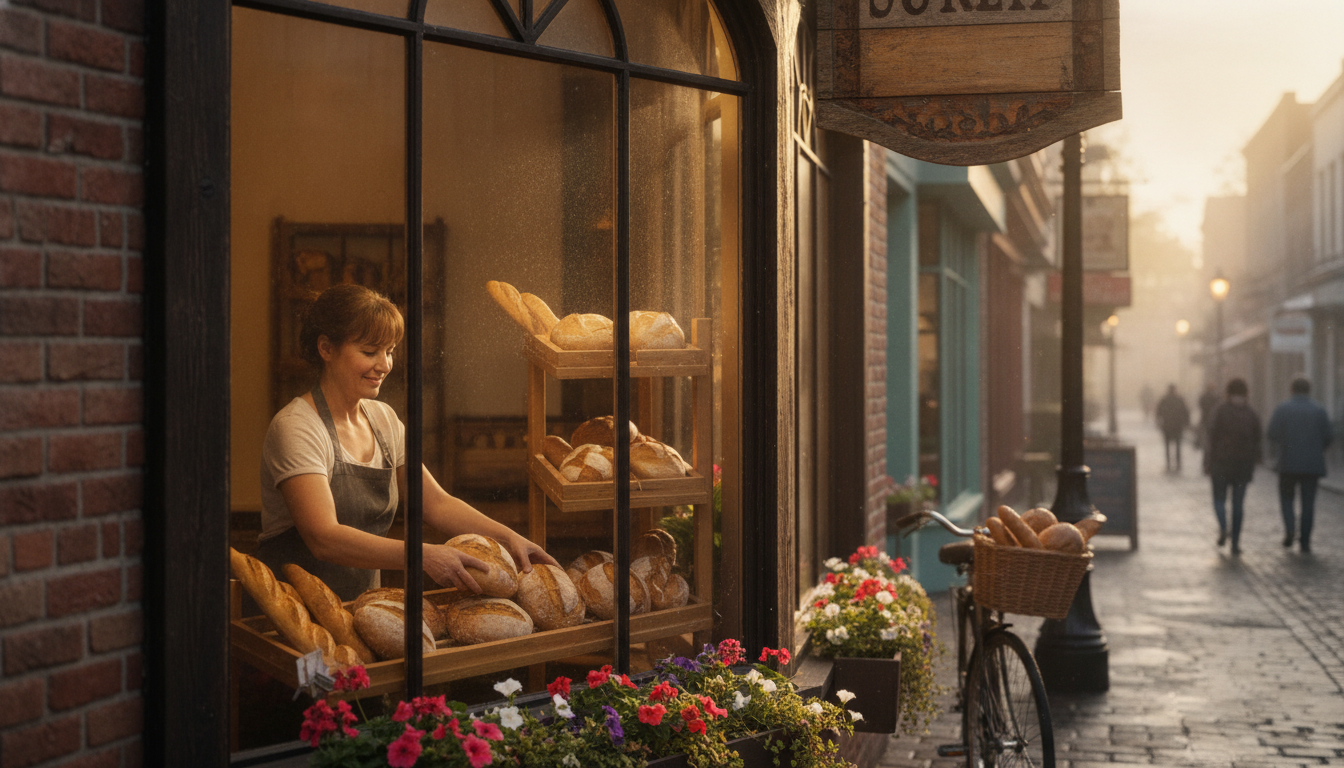
Most small business owners know their numbers are wrong. They know the chicken costs more than it did eighteen months ago, that the rent review hit harder than expected, that the utility bill is now a second employee. And yet they absorb it - trimming portions quietly, skipping the hire, running thinner - because they are terrified that a price increase will push their regulars out the door. The fear is understandable. The logic, however, is broken. The businesses that raised prices this quarter without losing a single loyal customer didn't do it by accident. They did it by controlling the story around the change before the customer noticed the number.
Why Price Increases Kill Loyalty - And Why Yours Don't Have To
Loyalty doesn't break because of a price. It breaks because of a surprise. When a regular walks in, orders their usual, and sees a higher number on the receipt without any context, what they feel isn't financial pain - it's disrespect. The implicit message is: we changed something important and didn't think to tell you. That is what erodes trust. The businesses profiled in this piece - a casual dining restaurant in Bristol, a hair salon in Chicago, an independent butcher in Amsterdam, and a yoga studio in Austin - all raised prices between eight and twenty-two percent in the last quarter. All of them reported zero meaningful loss among their core regulars. The common thread wasn't the size of the increase. It was a four-part communication structure they each used, slightly differently, but with the same underlying logic.
I told my regulars before I changed the menu. I explained what had happened with our suppliers, what I was doing to keep quality up, and that their loyalty mattered. Three of them replied saying thank you for being straight with them. Not one complained about the new price.
The Four-Part Messaging Structure: Value Anchor, Reason, Reassurance, Reward
Each of the four businesses arrived at this structure independently, but the pattern is consistent enough to be a replicable playbook. Here is how it works in practice.
Part One: The Value Anchor
Before you say anything about a price change, remind the customer what they are actually getting. Not in a defensive way - in a specific, honest way. The Bristol restaurant sent a message to its email list two weeks before the new menu launched that led with a paragraph about the two new dishes they were introducing, the local farm they had just partnered with, and the refurbishment they had done to the outdoor seating area. The price increase was framed as part of the same story, not as a standalone announcement. The customer's mental starting point was 'something good is happening here' - not 'I am about to pay more.' This sequencing matters more than almost anything else. Lead with value, not the number.
Part Two: The Reason
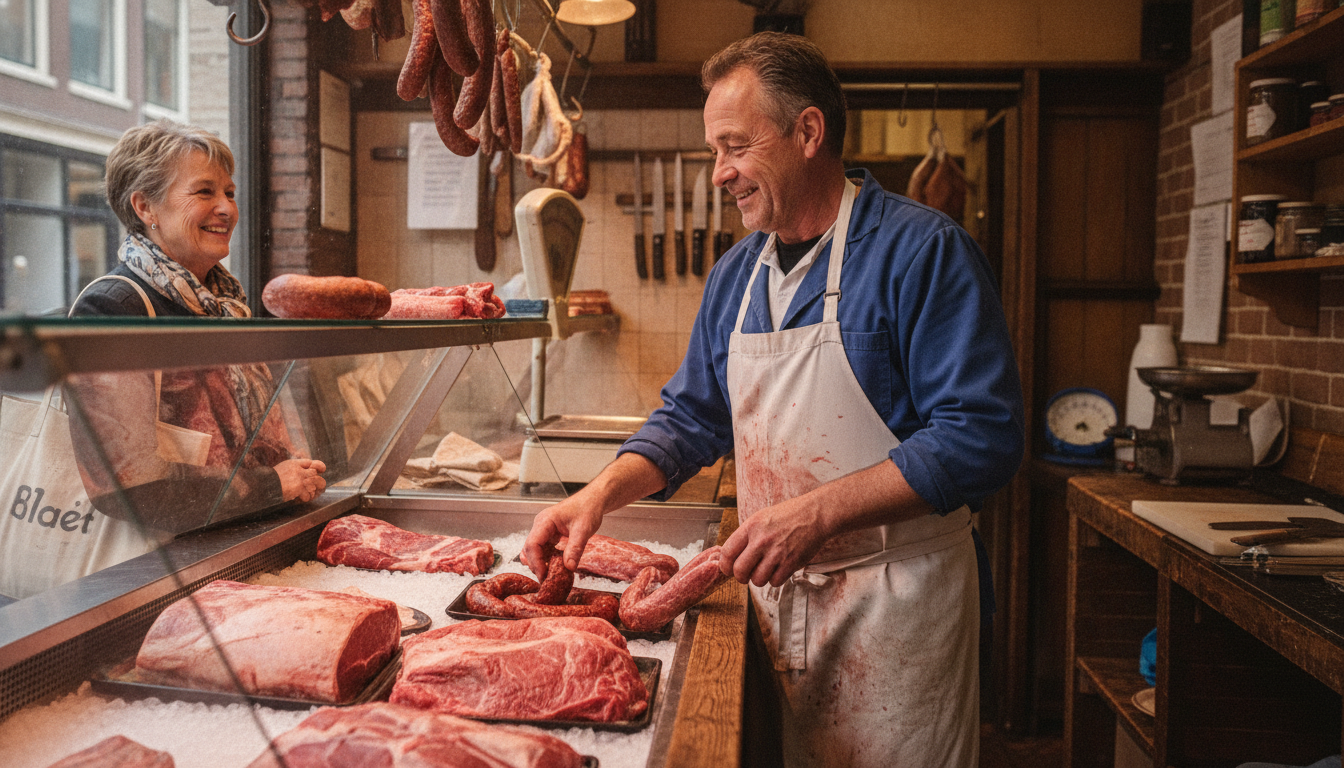
Give a real reason. Not a corporate non-answer. Not 'due to rising costs across the industry.' A real, specific, human one. The Amsterdam butcher - whose average transaction went up by eleven percent - sent a short note to his regular customers explaining that his primary beef supplier had raised wholesale prices for the third time since 2023, that he had held off as long as he could, and that rather than change his sourcing to cheaper cuts, he had decided to adjust his prices to protect the quality he had built his reputation on. That specificity is the difference. It communicates that the decision was not made lightly, that the owner knows exactly what it means, and that the customer's experience was the priority throughout.
Part Three: The Reassurance
Anticipate the fear and address it directly. For most loyal customers, the underlying question is not 'will I pay more?' - it is 'is this place still for me?' The Chicago salon owner, whose colour service prices increased by fifteen percent, included a simple line in her client communication: 'Your standing appointment isn't going anywhere, and neither are we.' That sentence costs nothing to write and dissolves the anxiety before it forms. The yoga studio in Austin took a slightly different approach: they held a short in-person Q&A session at the end of a class the week before the pricing change, let members ask anything, and answered honestly. Two members upgraded to annual memberships on the spot.
Part Four: The Reward
Give your most loyal customers something for being loyal - not a discount that undercuts the price increase, but a gesture that signals they are seen. The Bristol restaurant offered regulars a complimentary glass of wine with their first visit under the new menu. The salon offered existing clients a one-month grace period at their previous rate if they booked within the next ten days. Neither move was expensive relative to the revenue protected. Both made the customer feel like an insider rather than a target. The reward doesn't need to be monetary. It can be early access, a personal note, a small extra. What matters is the signal: you matter to us specifically.
The Channel and Timing Are as Important as the Message
All four businesses communicated their price change through a direct, personal channel - not a public social post. That distinction is critical. A social announcement about a price increase is read by every follower, including people who have never visited, and frames the story as public-facing rather than personal. A direct message - email, SMS, even a handwritten note on the counter - signals that you are talking to your customer specifically, not broadcasting to an audience. The timing window that worked across all four cases was ten to fourteen days before the change took effect. Early enough for the customer to feel informed and respected; close enough that the conversation stays relevant when they next visit.
- Lead with a value anchor - new products, improvements, or quality commitments - before mentioning any price change
- Give a specific, honest reason: name the cost pressure, the supplier, the decision you made to protect quality
- Anticipate the loyalty fear and address it directly with a reassurance that the relationship is unchanged
- Offer a small, personal reward to loyal customers - early access, a grace period, a gesture - not a discount that undermines the increase
- Communicate through a direct channel (email or SMS) rather than a public social post
- Time the message ten to fourteen days before the change, not the day before or after
Making This Repeatable Without Starting From Scratch Every Time
The most consistent failure in price-change communication isn't the message itself - it's the delay. Owners know the increase is coming for weeks, sometimes months, and still send a rushed note two days before the menu prints or the software updates. That delay usually comes down to one thing: not knowing how to write the message, and not having the time to figure it out. This is exactly where a tool like Rulrr changes the practical reality. Because it connects your customer data to AI-assisted content creation, you can build the four-part communication structure - value anchor, reason, reassurance, reward - into a ready-to-send message in a fraction of the time it would take to write from scratch, and schedule it to reach the right segment of customers at exactly the right moment before the change lands.

Your Regulars Will Follow a Price Increase. They Won't Follow a Surprise.
The businesses that protected their customer relationships through a price change did one thing consistently: they treated the communication as a relationship act, not an administrative one. They wrote to their customers the way they would speak to a friend - honestly, specifically, and with genuine care for how the news would land. The result was not just retained revenue. Several reported that the transparency itself deepened loyalty, with regulars explicitly saying they trusted the business more because of how the change was handled. A price increase, framed correctly, is not a risk to the relationship. It is an opportunity to demonstrate that the relationship is real.
If your costs have moved and your prices haven't, you are not protecting your customers - you are quietly eroding the business that serves them. The margin you are absorbing today is the quality, the staff, and the experience you will have to cut tomorrow. Getting the communication right is not the hard part. Deciding to do it is. Start with the four-part structure, give yourself a ten-day runway, and send the message directly to the people who matter most. The regulars who trust you enough to keep coming back will trust you enough to hear the truth.