Ingredient costs spiked. Rent went up. Staff wages followed. So you did what every sensible owner does: you raised prices, updated the menu quietly, and moved on. The problem is your marketing kept talking like nothing changed - same cheerful captions, same promo language, same value promises that now feel disconnected from what customers are actually paying. That gap between what they see on the plate and what they read online is where loyalty quietly breaks down. Customers who understand the value behind a price stay. Customers left guessing compare you to the cheaper option down the street and start doing the maths against you.
Why Silence Is the Worst Pricing Strategy You Can Run
Most owners avoid talking about price rises because it feels like an apology. It is not. A customer who notices a higher bill and finds no context in your messaging fills that gap themselves - usually with the worst interpretation. They assume you got greedy, cut corners elsewhere, or simply stopped valuing their custom. Contrast that with a customer who saw your Instagram post last month explaining that your beef now comes from a local farm that raised its costs, or that your stylist team completed advanced training that took three weeks. That customer pays the higher price and feels like they made a smarter choice. The story is not a justification - it is a trust signal.
Customers do not resent paying more. They resent paying more without understanding why. Give them the story and the price becomes part of the value.
The Three-Message Framework for Communicating Value During a Price Rise
This framework works for restaurants, retail shops, and salons equally. It does not require a lengthy explanation or a public announcement. It is three distinct messages, each doing a different job, deployed across the 30 days before and after a price change.
Message One: The Origin Story (Post Before the Change)
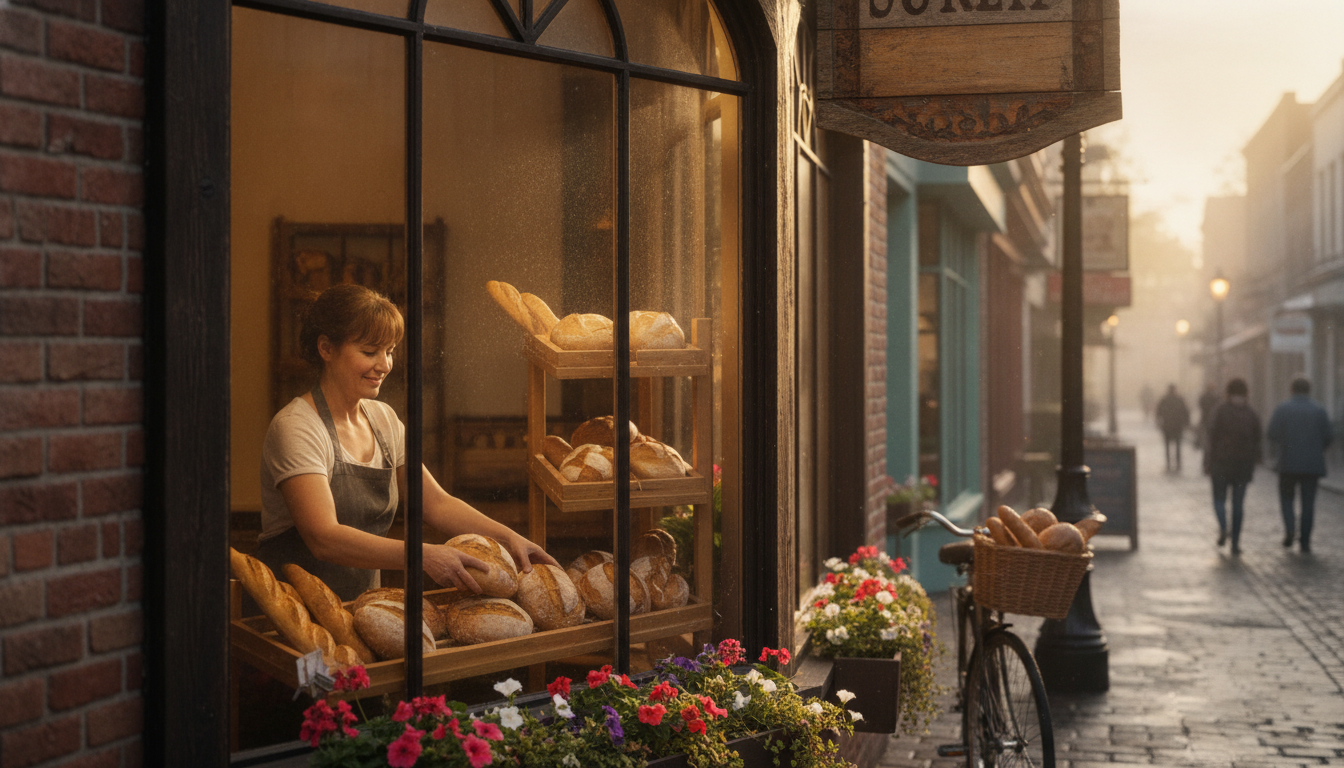
Anchor the upcoming price in something real and specific. Not 'costs have risen' - that is noise. Specific means: the name of your supplier, the ingredient, the service upgrade, the equipment investment. A bakery might post a short story about switching to stone-milled flour from a mill in Provence that costs 40% more per kilo but produces a crumb and crust that is genuinely different. A salon posts about the new colour system they moved to that sits gentler on hair and lasts three weeks longer than the previous range. A clothes boutique explains they stopped buying from the fast-turnaround wholesaler and now work with two small Portuguese makers whose minimum runs mean smaller stock but better fabric. Specificity is what makes this feel like a conversation rather than a press release.
Message Two: The Contrast Frame (Post At or Around the Change)
This message reframes what the customer is actually buying. Instead of talking about price at all, you talk about the outcome. A restaurant posts a close-up of a dish and writes about what it takes to get it right - prep time, sourcing decision, a technique the chef has refined. A gym posts about what a membership actually covers that members might not realise: the instructor-to-client ratio, the cleaning protocol, the programming logic behind the class structure. A jeweller posts about the difference between mass-cast and hand-finished settings. The goal is to shift the mental anchor from 'what does this cost' to 'what am I actually getting.' That shift does not require mentioning price once.
Message Three: The Social Proof Recalibration (Post 2-3 Weeks After the Change)
Once the new price is live and settled, find a real customer moment that validates it. A review that mentions quality unprompted. A photo of a repeat customer who has been coming for three years. A comment you can reference with permission. This is not fabricated - you are surfacing proof that already exists. What it does is reset the reference point for new customers discovering you after the change. They land on a feed where the price looks high in isolation, but the surrounding social signals say 'this is worth it.' That combination closes the trust gap faster than any promotion could.
The Exact Language That Works - and What to Avoid
- Use 'we moved to' instead of 'we had to raise prices' - the first signals a deliberate upgrade, the second signals reluctant capitulation
- Name specific suppliers, makers, or ingredients wherever possible - generic language signals that the story is made up
- Avoid 'due to increased costs' as a standalone explanation - it transfers the problem to the customer without giving them anything in return
- Lead with the outcome the customer experiences, not the input cost you are absorbing - they care about their result, not your margin
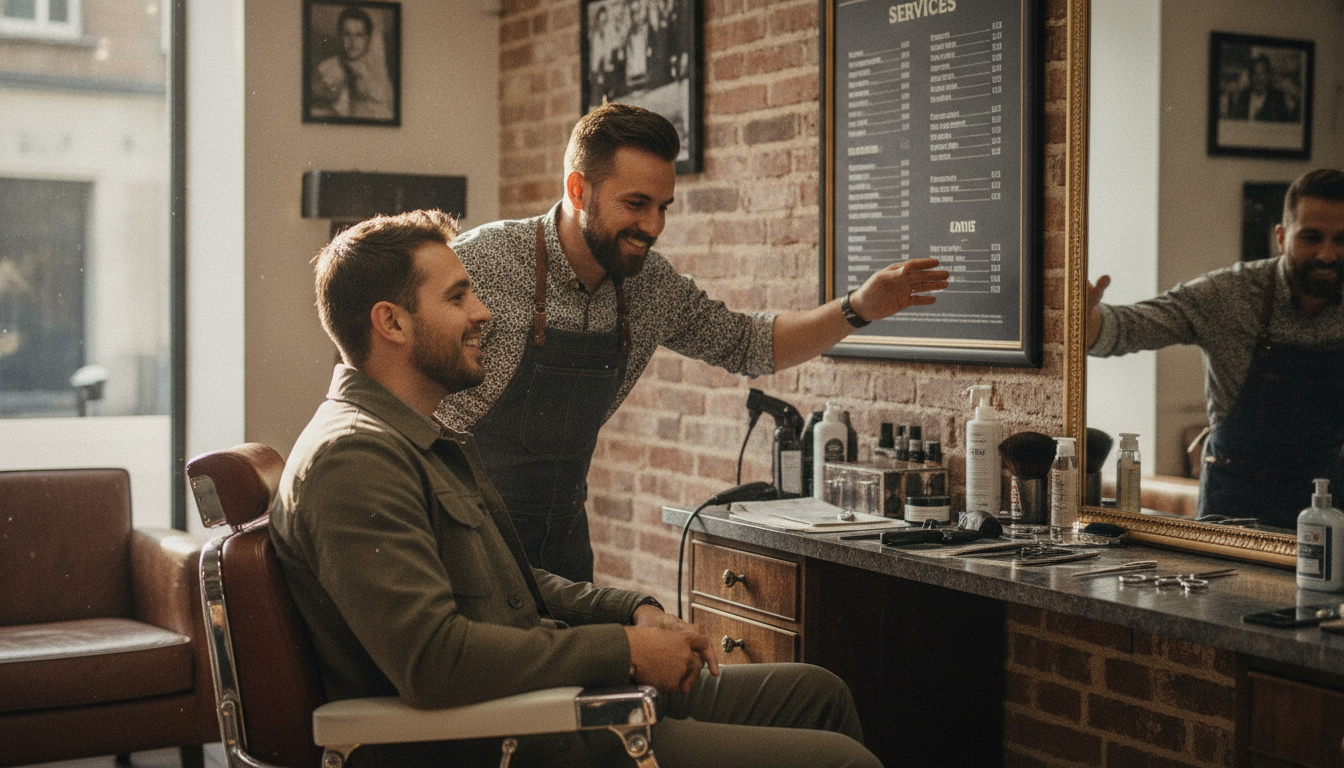
- If a loyal customer asks directly, answer directly and with detail - vagueness in a one-to-one conversation destroys trust faster than the price itself
- Keep the tone peer-to-peer, not apologetic - you made a deliberate decision to maintain or improve quality and you can say that plainly
- Do not discount immediately after a price rise - it contradicts the value story you just told and re-trains customers to wait for a deal
How to Keep This Running Without Writing It From Scratch Each Time
The hardest part of value messaging during a price change is not knowing what to say - it is finding the time and the words when you are also managing the operational reality of the change itself. Owners using Rulrr can brief the AI with their specific pricing change, the reason behind it, and the outcome it delivers for customers, and get draft posts for all three message stages ready to review and schedule - without starting from a blank page at 11pm. The platform's content studio is designed around exactly this kind of business-specific context, so the output does not read like a generic marketing template but like something that could genuinely come from the owner.

One Price Rise Done Right Can Strengthen Loyalty More Than a Discount Ever Did
A well-communicated price increase tells your best customers something a promotion never can: that you are serious about quality, transparent about your decisions, and not cutting corners to compete on price. That signal attracts the customers who value what you do and quietly filters out the ones who were only ever there for the deal. The three-message framework gives you a repeatable structure so that every future pricing decision - whether driven by supplier costs, staff investment, or a genuine upgrade - lands as a trust-building moment instead of an unwelcome surprise. Run it consistently and your pricing becomes part of your brand story, not a source of friction.
The businesses that survive margin pressure are not the ones that hide it best. They are the ones that turn the honest conversation about value into a competitive advantage. Your regulars already chose you once. Give them the story that makes them glad they did.