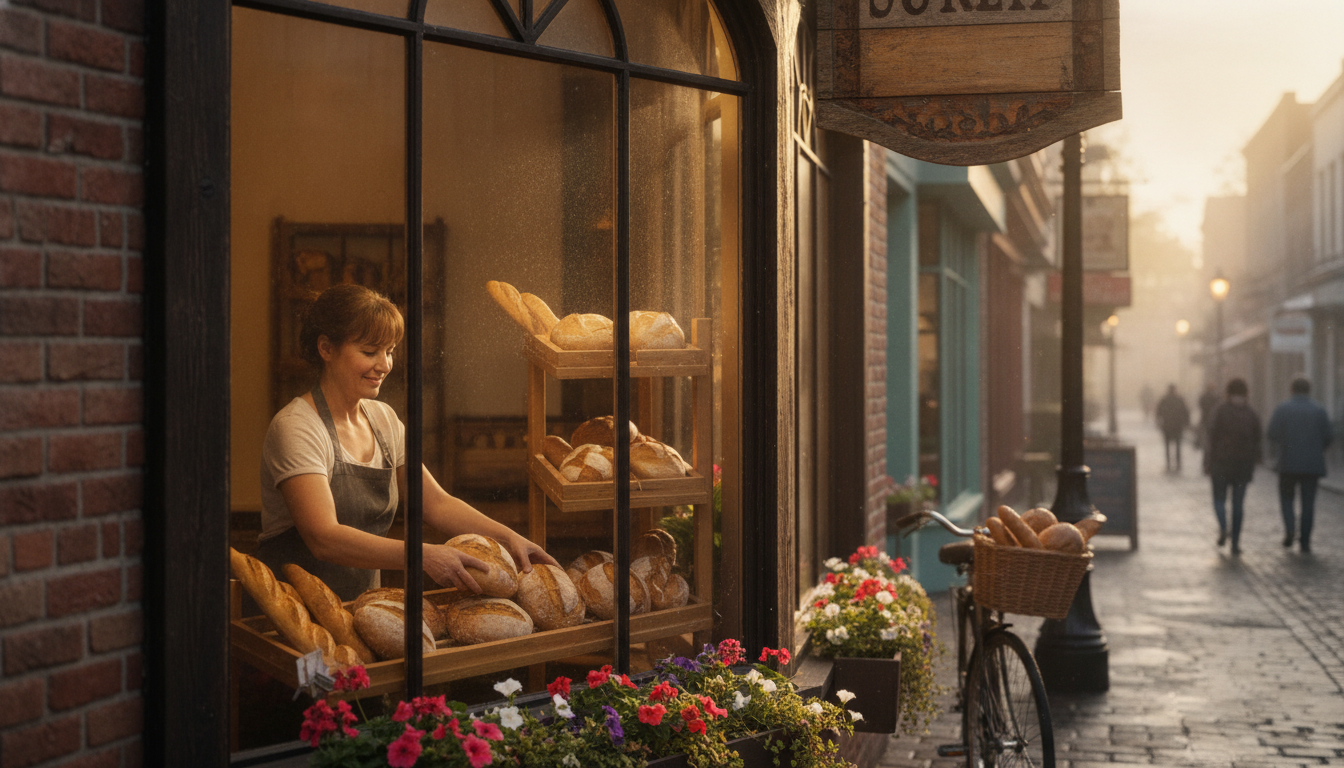
If you are posting every day and wondering why your foot traffic hasn't moved, you are not alone - and you are not lazy. You have just been following a playbook written for people whose business model is their audience. Yours isn't. For a restaurant, a hair salon, a boutique, or a clinic, growth does not come from feed volume. It comes from trust, relevance, and a clear reason to walk through your door. The three-post week is not a shortcut. It is a structure built specifically for how physical local businesses actually convert social presence into paying customers.
Why Daily Posting Works Against You (Not For You)
The daily posting rule was born in the influencer economy, where reach compounds with output and the algorithm rewards those who never stop. But local business audiences behave differently. Your Instagram followers are not passive consumers scrolling for entertainment - they are people who have already visited, are considering visiting, or were referred by someone who has. Posting filler content to hit a daily quota teaches this audience to scroll past you. Worse, it trains the algorithm to classify your account as low-engagement noise, which actively suppresses the posts that actually matter. Research consistently shows that for small local accounts, three to four high-intent posts per week produce significantly higher reach-per-post, save ratios, and profile visits than seven low-effort daily posts. The goal is not frequency. It is signal clarity.
I went from posting every day - mostly just to feel like I was doing something - to three planned posts a week. My reach per post doubled within a month. More importantly, people started actually mentioning the posts when they came in.
The Three Posts That Cover Everything a Local Business Needs
Each post in the framework serves a distinct psychological and commercial function. Skip one and the system loses balance. Run all three and you cover the entire customer journey - awareness, intent, and belonging - within a single week.
- POST 1 - THE TRUST BUILDER (Monday or Tuesday): This post does not ask for anything. It shows your craft, your team, your process, or your space. A 15-second clip of your chef plating a dish. A photo of a fresh floral arrangement in your boutique window. A before-and-after from a client's haircut. The purpose is to remind your existing audience why they chose you and to give new visitors a reason to believe in you. Format: a short-form video or strong single image with a caption that explains the story behind what they're seeing. No offer, no call to action beyond curiosity.
- POST 2 - THE OFFER (Wednesday or Thursday): This is your one commercial moment of the week. A seasonal dish, a limited appointment slot, a bundle that solves a specific problem. The mistake most owners make here is vague urgency - 'available this week!' means nothing. Be specific: 'Eight tables left for Saturday dinner service' or 'Blow-dry slots open Thursday 2-5pm.' Specificity creates real scarcity. Format: clean product or service image with a caption that names the offer, the constraint, and one clear action - book, call, DM.
- POST 3 - THE COMMUNITY HOOK (Friday or Saturday): This is your highest-leverage post for organic reach and it is the one most local businesses skip entirely. A shoutout to a neighbouring business. A question to your local followers ('What is everyone doing this weekend in [neighbourhood]?'). A repost of a customer's story with genuine commentary. A behind-the-scenes moment that only makes sense to locals - a mention of the street market outside, the school run crowd, the Saturday morning regulars. This post builds the sense that your business is part of the neighbourhood, not just advertising in it. Format: conversational, warm, low production value. Authenticity beats polish here.
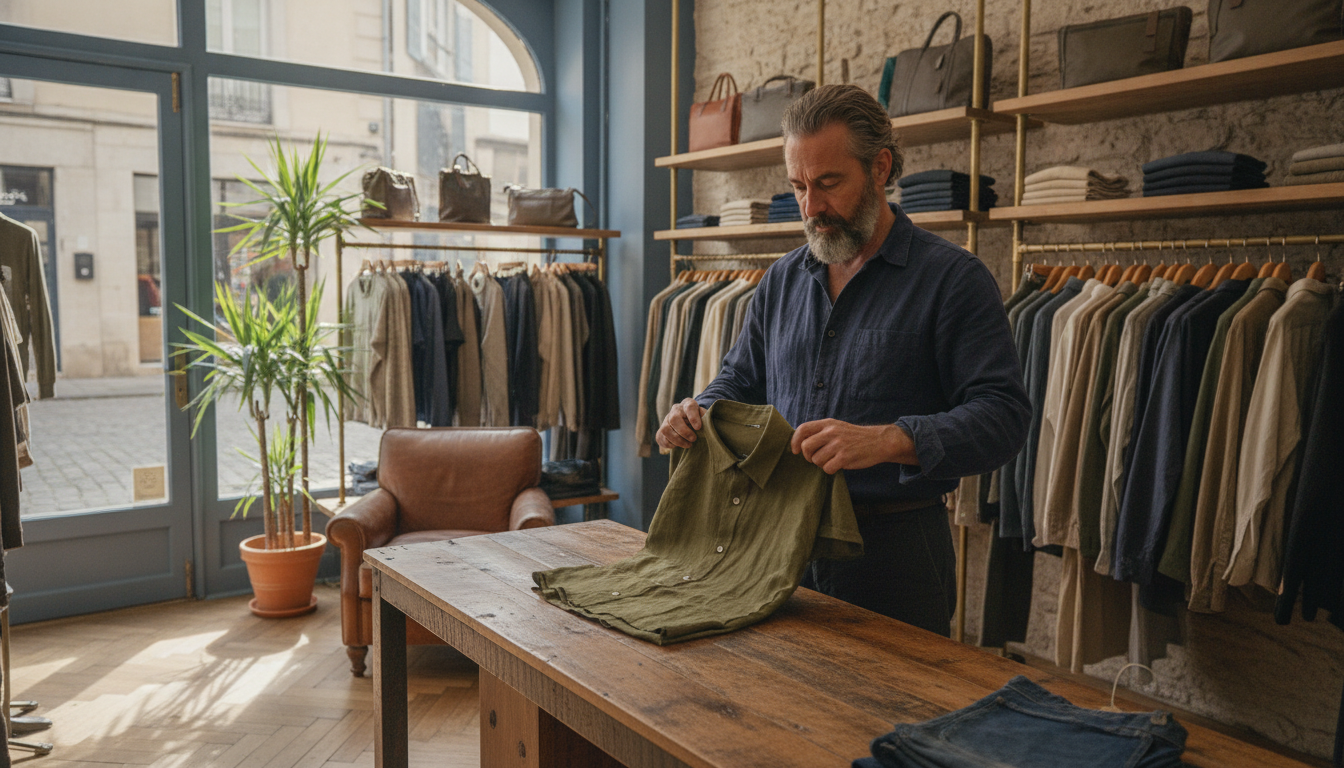
The 90-Minute Batch Session That Runs Your Whole Week
The reason most owners abandon consistent posting is not lack of ideas - it is the daily friction of sitting down, deciding what to say, writing a caption from scratch, and editing it three times before posting. The solution is batching: one focused session at the start of each week that produces all three posts in under 90 minutes. Here is the exact sequence:
- Minutes 0-15: Decide your three posts for the week. Trust builder - what happened this week worth showing? Offer post - what specific availability, product, or service needs moving? Community hook - what is happening locally this weekend that connects to your audience?
- Minutes 15-45: Capture your media. Walk your space with your phone. Film one 20-second clip and take three still photos. You do not need all of them - you need enough to choose from. This is the only part that requires physical effort.
- Minutes 45-75: Write your three captions. Use an AI content tool like Rulrr to generate first drafts from a one-line brief - 'trust builder post about our new seasonal pastry, warm tone, short caption' - then edit each draft to sound like you. This step should take 10 minutes per post, not 30.
- Minutes 75-90: Schedule all three posts natively or through your scheduling tool. Set the times to your audience's peak activity windows - typically Tuesday and Thursday 11am-1pm, and Friday or Saturday morning for the community hook.

The Compounding Effect Nobody Talks About
The three-post framework does not just protect your time - it trains your audience over weeks and months. When your trust builder consistently delivers craft and story, your followers learn to anticipate it. When your offer post always carries genuine scarcity rather than vague urgency, it starts converting. When your community hook feels local rather than broadcast, it gets shared within the neighbourhood. Within six to eight weeks, a business running this structure will typically see meaningful improvements in reach-per-post, saves, and - most importantly - the offline comments that signal real awareness: 'I saw your post about the Saturday special.' That is the metric that matters for a physical business. Not likes. Footfall intent.
How to Know If It's Working (The Right Metrics)
Stop measuring follower count. For a local business, it is almost entirely vanity. The metrics that connect social activity to actual revenue are profile visits (do people investigate further after seeing your post?), saves and shares (are people bookmarking your offer or sending it to a friend?), link-in-bio clicks or DMs (are they moving toward booking or buying?), and the most underrated metric of all - how often customers mention your posts in person. Track these weekly across your three post types and you will quickly learn which format, caption style, and timing combination works for your specific audience. Platforms like Rulrr surface these patterns automatically across your posts, so you are optimising based on what your audience actually responds to - not guessing.
The three-post week is not a compromise. It is a deliberate strategic choice to do less, better - and to make every post count toward the one outcome that actually pays your rent: people deciding to walk through your door.