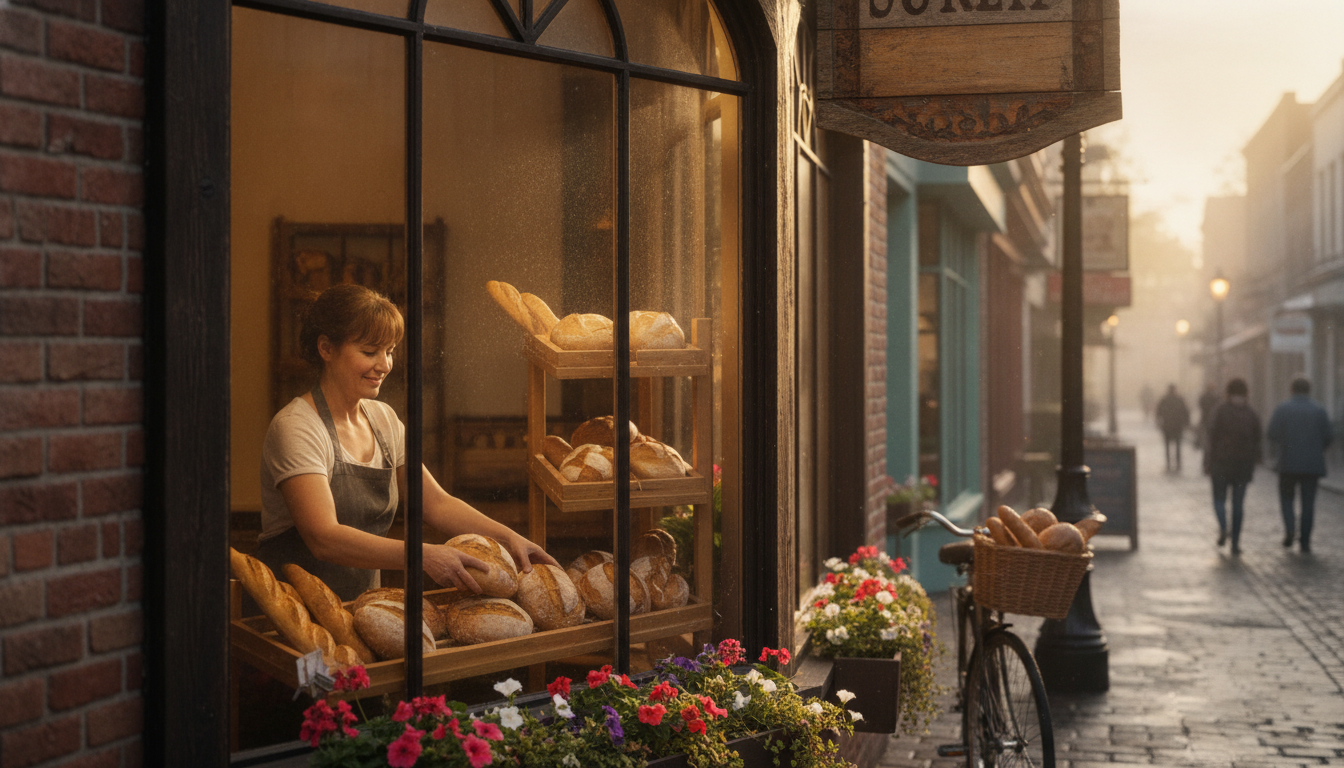
Scroll through any local business's Instagram and you will find the same pattern: a decent photo of a dish, a shopfront, or a new product, followed by three dense paragraphs about the story behind it, a list of ingredients, three hashtags on a new line, and a call-to-action buried at the very bottom. The owner spent 25 minutes writing it. It got 11 likes, zero saves, and brought nobody through the door. The brutal truth is that longer captions do not signal more effort to the algorithm or to a potential customer - they signal friction. And friction is the single fastest way to lose a scroll.
Why Physical Local Businesses Are Not Instagram Bloggers
The 'write more to say more' instinct comes from a reasonable place: you know your business deeply, you are proud of what you do, and you want customers to understand that. But the person seeing your post is not sitting down to read. They are on a bus, waiting for a friend, or killing 40 seconds between tasks. Their decision to stop, engage, or save your post happens in under two seconds - and it is driven almost entirely by the first line of your caption, not the sixth. For restaurants, salons, boutiques, and service businesses, the goal of a caption is not to explain. It is to trigger one specific action: a save, a share, a DM, or a visit. Every word past that trigger is deadweight.
The Three-Part Caption Framework: Hook, Proof, Action
Strip every high-performing local business caption down to its bones and you find the same three components. They do not always appear as three separate sentences, but the logic is always there. Here is how to build it deliberately, every time.
- HOOK - One sentence that creates tension, curiosity, or a specific craving. It should name a real thing your customer already wants, fears, or wonders about. 'The pasta we almost took off the menu' beats 'Exciting news from our kitchen' every single time.
- PROOF - One line of specific, concrete detail that makes the hook credible. Not 'made with fresh ingredients' but 'made from 48-hour slow-fermented dough' or 'the cut that took us six months to perfect'. Specificity is the proxy for trust when a stranger cannot yet walk through your door.
- ACTION - One clear, frictionless next step. Not three options. Not 'like, save, comment and share'. One thing: 'Table for tonight - link in bio', 'DM us the word FRIDAY for this week's availability', or 'We are open until 8 - walk in welcome'. Make the action feel easy and time-relevant.
The caption that drives a walk-in is not the one that explains the most. It is the one that removes the last reason not to come.
What This Looks Like in Practice - Across Business Types
The framework is not industry-specific. It works across every category of physical local business because the psychology is identical - a nearby person deciding whether to act right now. Here are four direct examples you can model immediately.
- Restaurant: 'We only make 12 of these a day. Bone marrow butter pasta, on now until they're gone. Counter seats open - no booking needed.'
- Hair salon: 'The colour correction nobody thought we could fix. Before and after in the comments. Book your consultation - link in bio.'
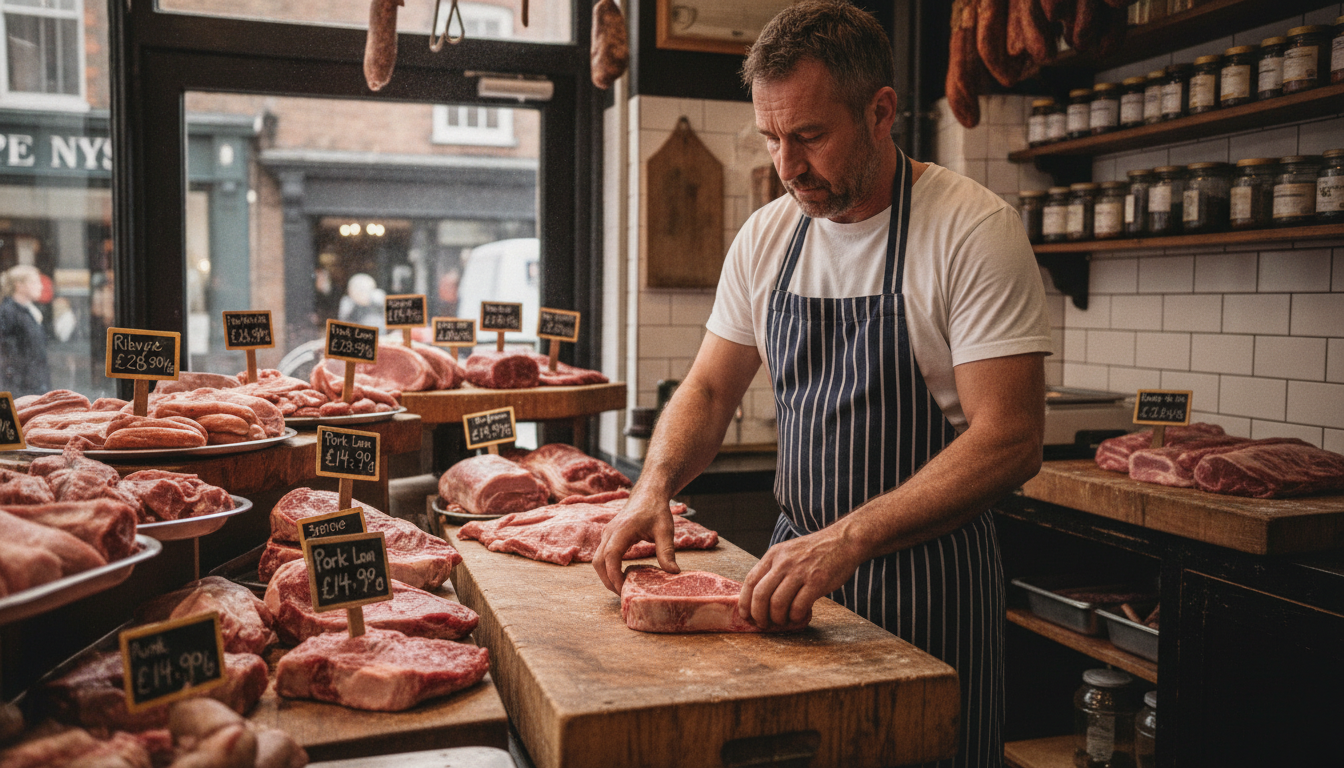
- Butcher: 'Dry-aged ribeye ready Friday. Less than 8kg left from this run. Call us by Thursday to hold yours.'
- Yoga studio: 'The Tuesday 6am class has had a waiting list for three months. One spot just opened. DM us if you want it.'
Notice what is missing from every one of these: a brand story, a philosophy paragraph, a list of benefits, a block of hashtags mid-copy. They are short because short is the point. Each one is written to do one job - move a specific person from the feed to the door.
How AI Cuts the Five-Minute Framework Down to 90 Seconds

The Real Time Cost of Writing From Scratch
Even a five-minute caption framework demands something most owners do not have in the middle of a service day: a clear head and a blank moment. The prompt freeze - that pause where you know what you want to say but cannot find the first line - is where most caption attempts die. This is exactly where AI assistance changes the equation. Tools like Rulrr's AI Content Studio let you input the specific thing you want to promote (a dish, a service slot, a new product, a limited run), and it generates hook-proof-action caption options calibrated to your business type and tone. You are not accepting the output as-is - you are editing from a near-finished draft rather than building from zero. The cognitive load drops to almost nothing, and the consistency that used to require a freelancer or a dedicated hour each week becomes something you can maintain between customers.
The One Rule to Carry Into Every Post You Write
Before you hit publish on any caption, read only your first sentence and ask: does this make someone who has never heard of my business want to stop scrolling? If the answer is no, the rest of the caption does not matter. Rewrite the first line before you touch anything else. The photo earns the pause. The first line earns the read. The hook-proof-action structure earns the visit. Everything else is noise - and the owners growing their foot traffic right now are the ones who have stopped writing noise.