You did not lose that customer to a bad experience. There was no complaint, no bad review, no dramatic exit. They came in regularly - every two or three weeks for months - and then the gap between visits stretched to six weeks, then eight, then they were simply gone. Silent churn is the most expensive kind precisely because there is no moment to react to. By the time you notice it, most owners assume the customer is lost for good and move on. They are wrong. Research consistently shows that a lapsed customer who once chose you is dramatically easier to reactivate than a cold prospect is to acquire - but the window for doing it effectively is narrower than most people think, and the message has to feel personal, not promotional. Here is the structure that works.
Why 'We Miss You' Campaigns Fail and What to Do Instead
Most reactivation attempts fail for one of two reasons. Either they arrive far too late - sent to everyone who has not visited in six months as part of a bulk promotion - or they lead with an offer so generic it signals clearly that the business has no real idea who the customer is. A 10% off voucher sent to 800 people at once is not a personal message; it is a clearance sale dressed up as one. Customers feel the difference. The reactivation messages that actually convert share three structural qualities: they arrive at the right moment relative to that specific customer's normal behaviour, they acknowledge the absence without making the customer feel guilty or chased, and they give a reason to return that feels like it was chosen for them, not broadcast to a list.
The moment you stop treating reactivation as a broadcast and start treating it as a one-to-one nudge, your response rate changes completely. The customer already trusted you once. You are not selling from scratch - you are reminding them of something they already know.
The Three-Part Message Structure That Works
Strip away the overthinking. A high-converting reactivation message has three components and should take under 60 seconds to read. Build each one deliberately.
- Part 1 - The acknowledgement (one sentence): Name the gap without drama. 'It has been a while since we have seen you' is enough. Using the customer's first name amplifies the effect significantly - not as a gimmick, but because it signals that this message was not sent to everyone. Avoid guilt-laden language like 'We have missed you so much' - it feels manipulative. A straightforward, warm observation is enough.
- Part 2 - The bridge (one to two sentences): Reference something specific - their last visit, a product they regularly bought, a service they had with you. This is where transaction history earns its keep. 'The last time you were in, you tried our new seasonal menu' or 'It has been a few months since your last cut with us' tells the customer you know them, not just their email address. If you do not have specific data at this level yet, a category reference works: 'We know you are a Sunday brunch regular' is still far warmer than nothing.
- Part 3 - The reason to return (one clear call to action): Give them something worth coming back for - but make it feel curated, not desperate. A complimentary add-on works better than a blanket discount: a free coffee with their next visit, a free conditioning treatment added to their next appointment, a priority booking window. If you do use a discount, make it specific and time-bounded: 'Valid until Friday' creates urgency without training them to wait for the next one indefinitely.
The Timing Window by Business Type - This Part Is Not Negotiable
The single biggest variable in reactivation success is not the copy - it is the timing. Send too early and you look needy; send too late and you are invisible. The correct trigger is not a fixed calendar date; it is when a specific customer has exceeded their personal return window by a meaningful margin. Here is a practical baseline by business type, which you can refine with your own data over time.
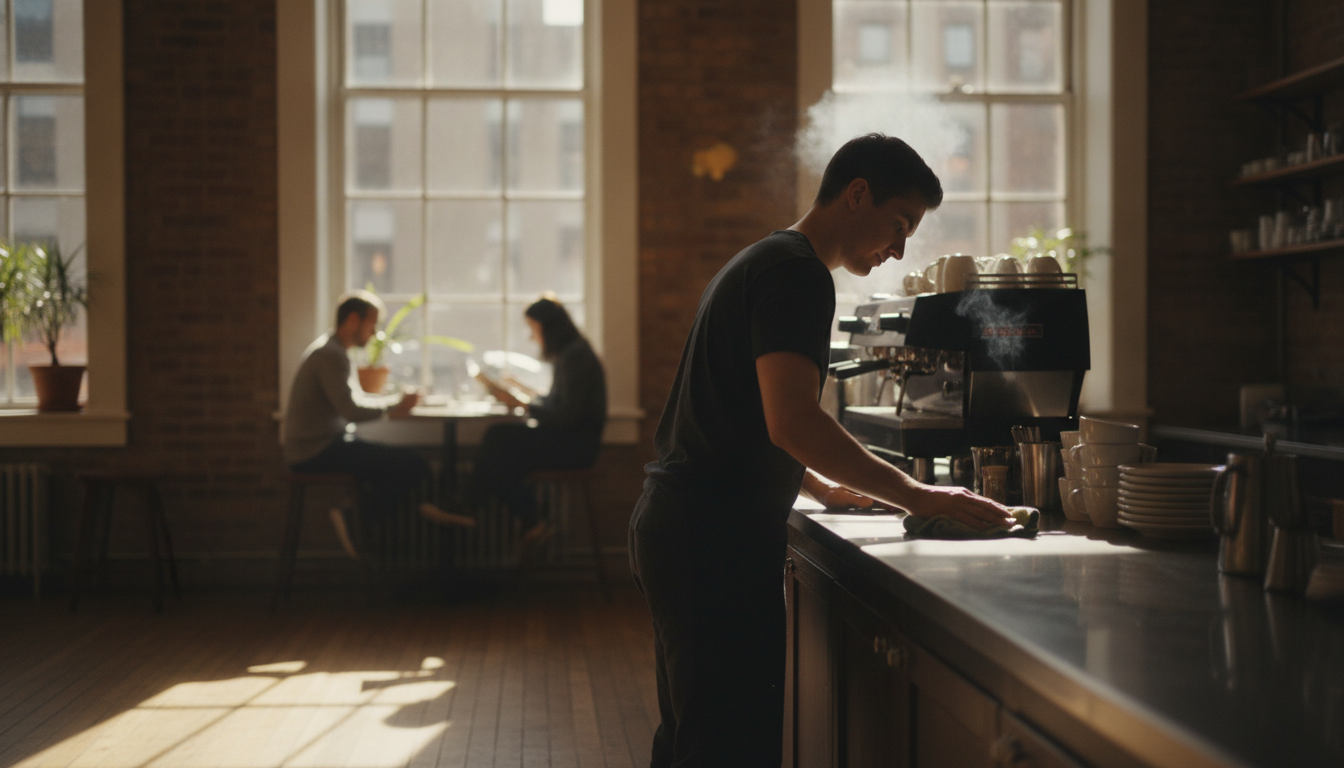
- Cafes and casual restaurants (typical visit frequency: weekly to fortnightly): Send the reactivation message when a customer has not returned after 21-28 days. At six weeks, the habit is likely broken. At three months, they have almost certainly found a replacement.
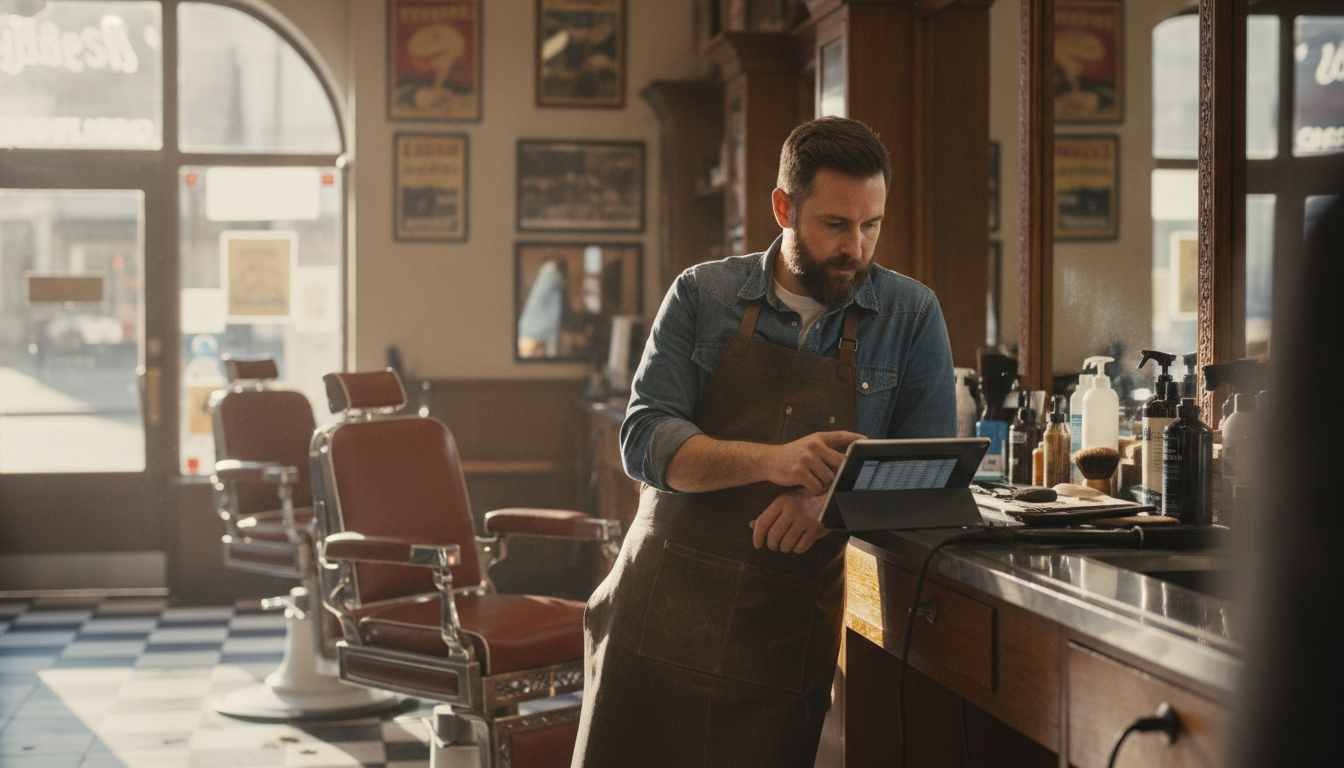
- Hair salons and barbershops (typical visit frequency: every 4-8 weeks): Trigger the message at 10-12 weeks since last visit - just past the outer edge of a normal booking cycle. Any earlier and you are interrupting a gap that might still be intentional.
- Spas and wellness studios (typical visit frequency: monthly to quarterly): 8-10 weeks since last visit is the sweet spot. These customers often lapse after a seasonal peak; catching them before three months is gone dramatically improves conversion.
- Retail (clothing, boutique, specialist): 45-60 days since last purchase for frequent buyers; 90 days for customers whose average cycle is longer. Segment by purchase history, not by a single blanket rule.
- Medical, dental, and skincare clinics (typical recall cycle: 3-6 months): Trigger at the point the standard recall window has passed without a new booking. A message framed around their health or care schedule - rather than your availability - converts significantly better.
- Gyms and pilates studios: Watch for a drop in attendance, not just absence. A member who came three times a week and is now coming once is showing early-stage churn. Catch them there, before full lapse, with a check-in message rather than a winback.
Making the Sequence Run Without You Touching It
The reason most owners never execute reactivation well is not that they do not understand the logic - it is that doing it manually is a project they will never actually find time for. Pulling a list of lapsed customers, writing personalised messages, sending them at the right moment for each individual, and then doing it again next week for the next cohort: that is easily two to three hours of work per cycle, which means it gets deprioritised and then abandoned. The solution is to build the sequence once and let it run. Platforms like Rulrr can connect your transaction or booking data to message triggers, so that when a customer crosses their personal return threshold, the right message goes out automatically - with their name, a reference to their history with you, and the specific offer you have set. You write the template once. The timing logic handles itself. You review results, not individual messages.
A few things worth setting up when you build the sequence: First, cap the reactivation attempts at two messages - one at the initial trigger, one follow-up seven to ten days later if there is no response. More than that moves from warm reminder into pressure, which damages the relationship you are trying to restore. Second, set an exit condition: if a customer does not respond after two messages, move them to a lower-frequency nurture list rather than continuing to contact them. Third, track reconversion separately from general revenue so you can see exactly what the sequence is worth. Most owners who run a properly timed reactivation flow for the first time are surprised by the return - not because the individual offer value is high, but because the volume of quietly lapsed customers sitting in their data is larger than they expected.

One Template, Applied Across Every Lapsed Segment
You do not need a different campaign for every customer. You need one well-constructed template with two or three variable fields - name, last visit reference, offer - and the right trigger timing per business segment. Write the template once with your actual voice, not marketing-speak. Test it on a small group first. Refine the offer based on what gets people back through the door. Then set it to run. The businesses recovering the most lapsed customers right now are not running the most creative campaigns. They are running the most consistent ones - at the exact moment the absence crosses from normal gap into unusual absence, every single time, without manual effort.
The One Mistake That Kills an Otherwise Good Reactivation Message
Leading with the offer before the acknowledgement. If the first line of your message is '10% off your next visit,' you have already signalled that this is a promotion, not a conversation. The customer's brain categorises it with every other piece of promotional email in their inbox and the open rate tanks. The six words that give this article its title - 'we haven't seen you in a while' - work because they open with a human observation, not a commercial hook. They create a moment of recognition before the ask. That sequencing is not a small stylistic choice; it is the structural reason some reactivation messages convert at five times the rate of others. Get the order right: acknowledge first, bridge second, offer third. Every time.