Restaurants Run on Timing
No business feels timing as sharply as a restaurant. A full Friday and an empty Tuesday can come from the same kitchen, the same menu and the same team. The difference is demand, and demand is something marketing can shape. AI is useful to restaurants not because it is clever, but because it can act on timing at a speed an owner mid-service never could.

Fill the Slow Shifts
Every restaurant has a quiet window. AI can spot it in the sales pattern and trigger the right nudge — a limited lunch offer, a midweek perk for regulars, a last-table deal pushed to nearby followers. Instead of a blanket discount that trains everyone to wait for a sale, the offer goes out precisely when an empty seat costs you the most.

Make the Menu Do the Marketing
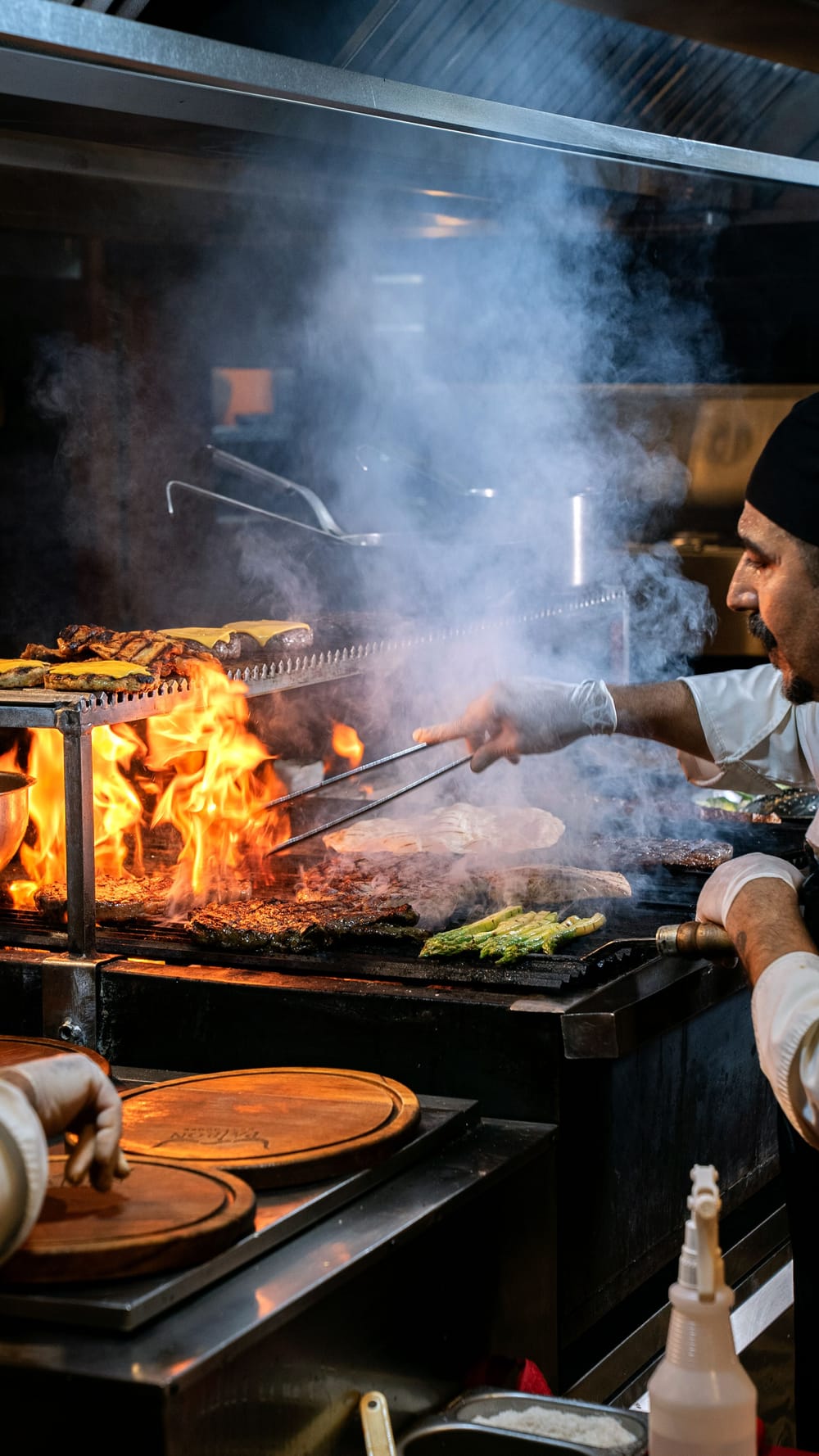
Photos sell food, but most kitchens have no time to produce them. AI helps turn a single phone snap into clean, on-brand posts, captions and stories in minutes. The dish you already cooked becomes the week of content you never had time to make — consistent, appetizing and ready to publish across every channel.
Bring the Regulars Back
A restaurant lives on repeat visits. AI watches for the regular who has gone quiet and prompts a timely, personal reason to return before the habit breaks. A small, well-timed message to a lapsed favorite is worth more than a broad campaign to strangers — and it costs almost nothing to send.
For a restaurant, the most valuable marketing is rarely the loudest. It is the right offer, to the right guest, at the right moment.
Less Work, Not More
The point of AI in a restaurant is not to add another screen to manage during a rush. It is to handle the repetitive marketing work in the background so the team can focus on the food and the room. Done well, it feels less like software and more like an extra pair of hands.