You already know which shift it is. Tuesday lunch. Sunday at 3pm. The last 90 minutes before close on a Wednesday. It repeats every single week with the reliability of a standing appointment, and most owners treat it like weather - unpleasant, unavoidable, and nobody's fault. But your slow slot isn't random. It's structural. And because it's structural, it's fixable. Not with a blanket 20%-off post thrown at your Instagram followers and hoped for the best - but with a three-part offer built around the right incentive, aimed at the right customers, sent at exactly the right time. The businesses that crack this don't just fill a dead hour. They build what amounts to a second revenue stream that runs on autopilot inside a shift they used to write off.
Part One: Build the Right Incentive (Not a Discount)
The reflex move is a price cut. Shave 15% off, post it, and see who bites. The problem is what that trains your customers to do: wait. If Tuesday lunch is cheaper this week, it might be cheaper next Tuesday too. You've just taught your most price-sensitive customers to hold off until you blink. The incentive structure that actually works is a bundle or a value-add - something that feels like a reward rather than a clearance. Think of it as a deal that only exists for people who already know you, and only at a specific time.
- Bundle a slow-selling product or service with a high-demand one at a combined price that feels like a win - without cutting the margin on either item individually.
- Add something of perceived high value but low actual cost: a complimentary treatment, a house coffee, a consultation, a small side dish, a gift-wrap service.
- Create a time-limited format - 'Wednesday 12-2pm only' - so the scarcity is real and the exclusivity is honest.
- Frame it as a members-first or loyal-customers-first offer, not a public sale. This protects brand positioning and rewards the people who already like you.
- Never discount your flagship or most profitable item. Keep the incentive on the edges of your menu or service list.
A discount teaches a customer that your real price is negotiable. A bundle teaches them that spending a little more with you is always worth it.
Part Two: Target the Right Audience Segment
This is where most slow-day campaigns fall apart. Owners send to everyone - the full email list, every follower, every loyalty member regardless of visit history - and get a flat response rate that barely moves the needle. The audience for a slow-shift offer is not 'all customers.' It's a specific slice: people who have bought from you at least once in the past 90 days, who haven't visited in the last three to four weeks, and who are geographically close enough to actually come in. That's your reactivation window. These customers already trust you. They're not being asked to take a risk on a new business. They just need a reason to choose this Tuesday over next month's 'whenever I get around to it.'
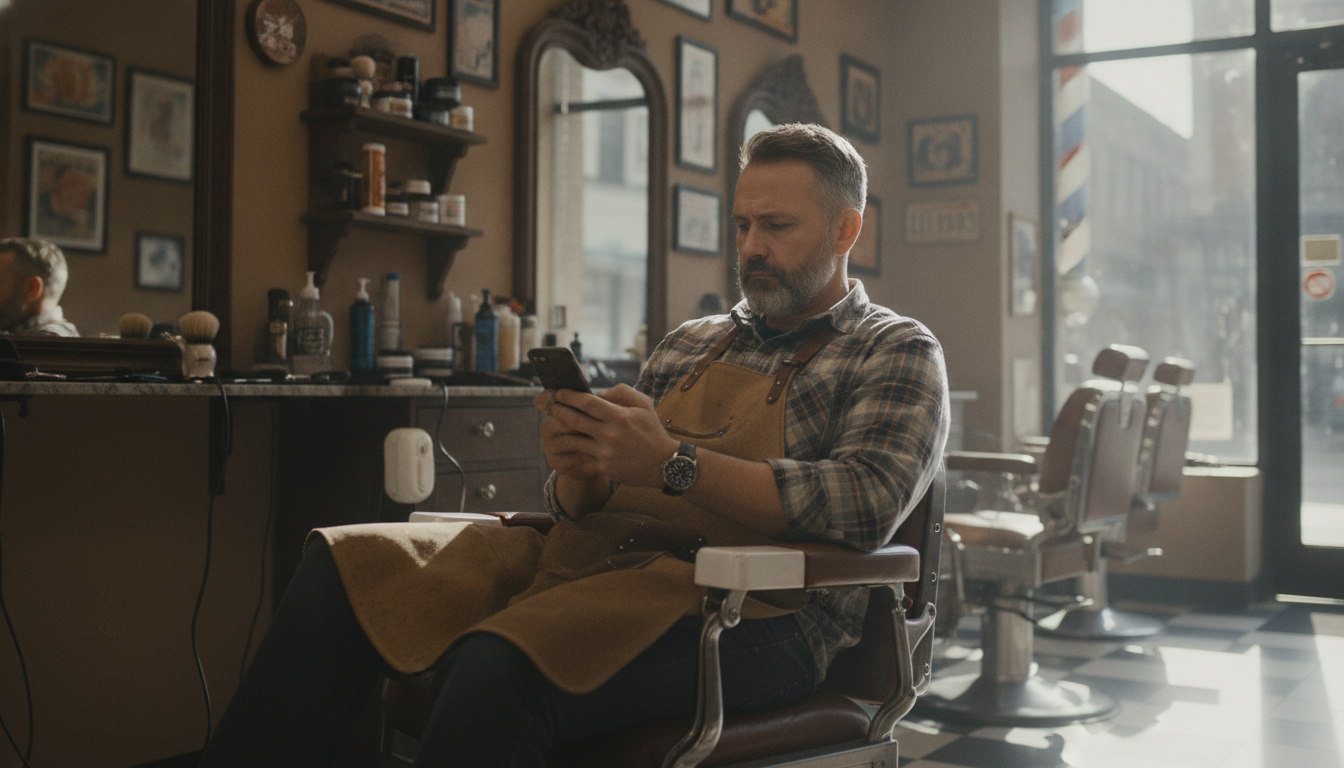
Your Best Audience for a Slow-Day Offer Already Exists
You don't need new customers to fill a dead shift - you need lapsed ones. Filter your existing customer base for people who visited once or twice in the last 90 days but haven't returned in three to four weeks. This group has the highest likelihood of responding to a personalised, time-specific nudge. They liked you enough to come once. Life just got in the way. A well-timed message about something exclusive and time-limited is all it takes to tip them back through the door. Platforms like Rulrr can connect directly to your transaction history to identify exactly this segment automatically, so you're not guessing who to reach - you're reading the data that's already there.
Part Three: Get the Send Window Right
Timing a slow-day campaign is not complicated, but it requires a little counterintuitive thinking. Most owners send too early or too late. Send a Tuesday offer on Monday morning and it gets buried in inbox noise before the decision window is open. Send it Tuesday at noon and half your audience is already mid-meeting or mid-lunch somewhere else. The sweet spot is 18 to 24 hours before your slow slot opens - with a short follow-up nudge two to three hours before it starts.
- Primary send: Monday evening (around 6-8pm) for a Tuesday slow shift. The customer is home, relaxed, and making plans for tomorrow.
- Follow-up nudge: Tuesday morning (around 8-9am). Short, direct, one sentence. Remind them the window opens at noon and closes at 2pm.
- Message format: personal, not broadcast. 'Hi Sarah, we saved something for you this Tuesday' outperforms 'THIS WEEK ONLY - 20% OFF' every time.
- Channel priority: SMS or push notification over email for time-sensitive offers. Email open rates average 20-30%; SMS open rates average 90%+ within three minutes.
- Limit the audience size for each send to 50-200 customers. If your dead shift has 10 covers, you don't need 2,000 people responding - you need 15 to say yes.
Putting It Together: A Real Mini-Campaign in Three Steps
Here's what the full structure looks like assembled. Imagine you run a hair salon with a dead Wednesday 10am-12pm slot. Step one: build the offer - a conditioning treatment bundled with any cut, available Wednesday mornings only, for existing clients, priced at a combined rate that feels like a reward but doesn't cut your core service margin. Step two: pull your audience - clients who've visited once or twice in the past 60 days but haven't booked in four weeks. Step three: send Tuesday at 7pm via SMS - 'Hi [Name], we've kept a Wednesday morning slot this week for clients who've been in before. Come in for a cut + conditioning treatment - just for Wednesday mornings. Book here: [link].' That's it. No graphic design. No ad spend. No algorithm to fight. Just a specific message sent to the right people at the right time. Done consistently, this becomes your Wednesday morning engine - not a one-off experiment.

The operational detail that makes this repeatable - rather than a one-time fix - is connecting your customer data to your send workflow so it runs with minimal effort each week. Rulrr is built to do exactly this: it reads your transaction history, identifies the segment most likely to respond to a slow-shift offer, and helps you launch the campaign without building it from scratch every Tuesday. The first time you run this you'll do it manually. By the fourth or fifth time, it should take you under 20 minutes to set up. After that, it should be running itself. Your slow day was never bad luck. It was an audience and timing problem waiting for a simple system.