There is a window that opens every time a customer leaves your business happy. It lasts roughly 90 days. During that window, research consistently shows repeat visit frequency can run more than double the baseline rate - customers are warm, their memory of you is vivid, and the friction to come back is at its lowest point in the entire relationship. Then the window closes. Not because they stopped liking you. Because you went quiet, and life filled the gap. Almost every local business - restaurant, salon, boutique, gym - lets this window shut by default, defaulting instead to a generic Instagram post that 60% of their followers will never even see.
Why the Post-Visit Curve Is the Most Valuable Moment You're Ignoring
Customer psychology after a positive experience follows a predictable arc. In the first 48 hours, the experience is emotionally fresh - they're likely to mention you to a friend, leave a review if nudged, or return for something they noticed but didn't buy. Between days 3 and 30, intent is still active: they've thought about coming back, they just haven't had a specific reason handed to them. From day 31 to day 90, that intent starts to erode as competing options accumulate. After 90 days without contact, you've essentially reset to a cold acquisition - spending time and money to re-earn attention you already had. The tragedy isn't that the window closes. It's that it closes by default, not by design.
The best time to market to a customer is 48 hours after they've already loved you. The second best time is 30 days later. Almost nobody does either.
The Exact 90-Day Sequence - Mapped by Day and Message Type
This isn't theory. Below is a copy-paste-ready flow you can deploy before the end of this week. Each touchpoint has one job. Don't try to combine them. The power is in the timing and the specificity - generic 'thanks for visiting' messages do almost nothing; messages that reference what actually happened convert at a meaningfully higher rate.
- Day 1-2 (The Gratitude Nudge): Send a short, warm thank-you - by SMS or email - that names the specific thing they did. 'Thanks for coming in for your cut yesterday' beats 'Thanks for visiting' by a wide margin. If you have a review link, include it here. One sentence. One link. Nothing more.
- Day 7 (The Soft Return Hook): Reference something timely - a new menu item, a product that just arrived, an event coming up. Frame it as information, not a promotion. 'We just got the new autumn collection in - thought of you.' No discount needed at this stage.
- Day 21 (The Value Add): Send something genuinely useful: a care tip for the product they bought, a recipe featuring an ingredient they ordered, a workout tip relevant to their last session. This is trust-building, not selling. It proves you know your craft.
- Day 45 (The Personal Offer): This is the right moment for an incentive - but make it specific, not blanket. A percentage off the exact service they last used, or a complimentary add-on with their next visit. Specificity signals attention; blanket discounts signal desperation.
- Day 75-90 (The Re-engagement Signal): If they haven't returned, send one final message that acknowledges the gap without pressure. 'It's been a while - we'd love to see you back. Here's what's new.' Keep it to three sentences. If they don't respond to this one, move them into a lower-frequency long-term nurture rather than going silent entirely.
The Signal That Triggers the Whole Sequence - And Why Most Owners Miss It
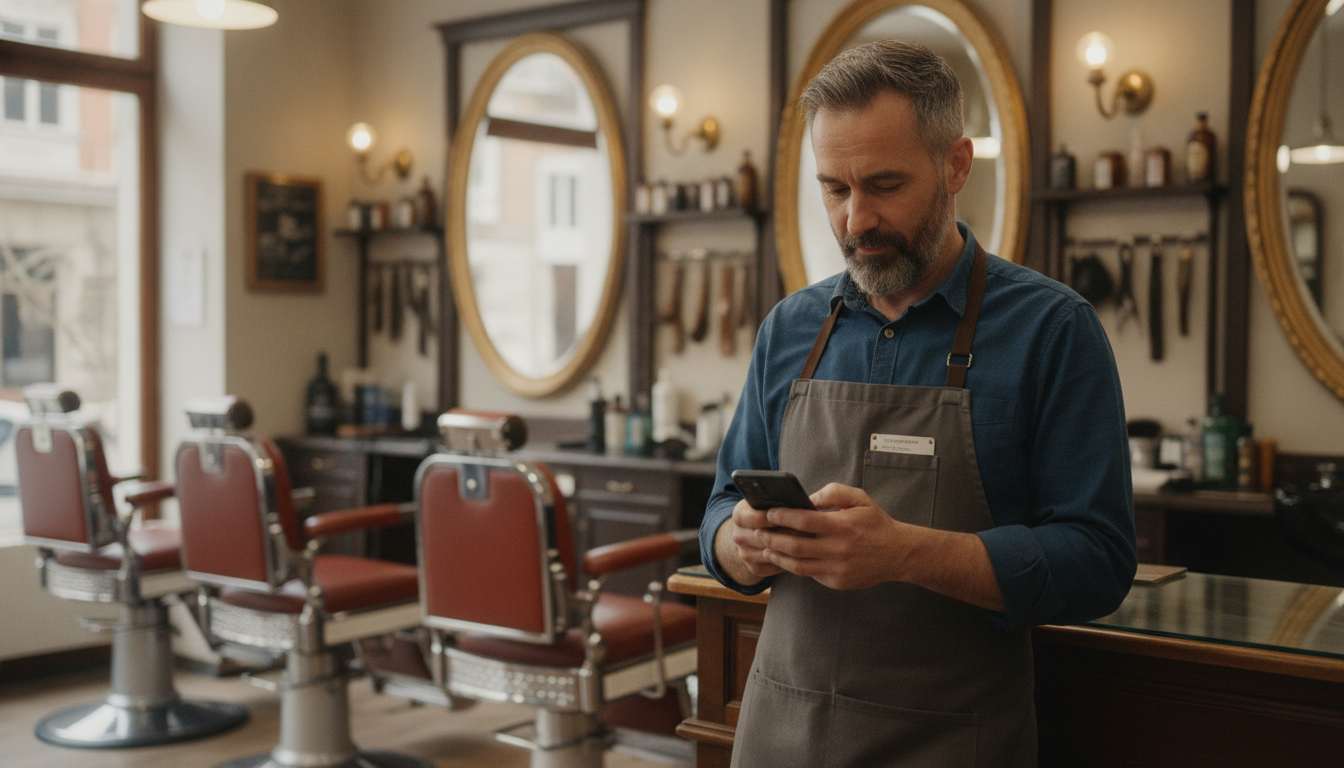
The reason this sequence doesn't happen isn't that owners don't want to do it. It's that the trigger - a completed transaction - happens in a POS system or booking platform that's completely disconnected from any outbound communication. The sale closes, the data sits in a silo, and the 48-hour window starts ticking down while the owner is busy with the next customer. Manually logging who visited and then remembering to follow up five times across 90 days is not a realistic system for anyone running a physical business. The only version of this that actually sticks is one that fires automatically from a transaction signal.
This is exactly where Rulrr comes in. Because it can connect to POS and booking data, a completed sale or appointment becomes the trigger that launches the entire sequence - without the owner lifting a finger after the initial setup. You configure the messages once, map them to the timing, and the system runs. Every customer who has a great experience enters the funnel automatically. The window never goes cold by accident again.
Three Mistakes That Collapse the Sequence Before It Works
- Discounting too early: Offering a deal at day 2 trains customers that patience gets rewarded. Save the incentive for day 45, when return intent is starting to soften and a specific offer genuinely moves the decision.
- Sending the same message to everyone: A first-time visitor and a customer who's been coming for two years are not in the same emotional position. Segment at minimum by 'new vs. returning' and adjust the tone accordingly - warmer and more introductory for new, more familiar and appreciative for regulars.
- Letting the sequence die after one non-response: A customer who doesn't open your day-7 message isn't gone. Life gets busy. Keep the sequence running - the day-45 message often converts customers who ignored everything before it.

What This Looks Like in Practice - A Boutique Example
A customer buys a jacket on a Saturday afternoon. By Monday morning, they've received a short thank-you with a care guide for the fabric - useful, not promotional. One week later, a note arrives: 'We just got the new knitwear in - pairs perfectly with what you picked up.' At three weeks, a styling tip. At six weeks, a 10% offer on their next purchase specifically in the category they bought from. At 90 days, if they haven't returned: 'New season is in - here's a first look before we post it publicly.' The customer feels known, not marketed to. That distinction is everything.
Build This Before the Week Is Out
You don't need a marketing team or a complex tech stack to run this. You need five messages, five timing rules, and a single transaction trigger. Draft the messages today - use the sequence above as your template. If you're using Rulrr, connect your POS or booking data and map the flow once; it handles the rest. If you're starting manually, build a simple spreadsheet log of recent visits and schedule the send dates in your calendar as recurring reminders. It's less elegant, but it works - and it will make the case for automating it faster than any pitch ever could. The 90-day window is open for every customer who walked in this week. The only question is whether you use it.