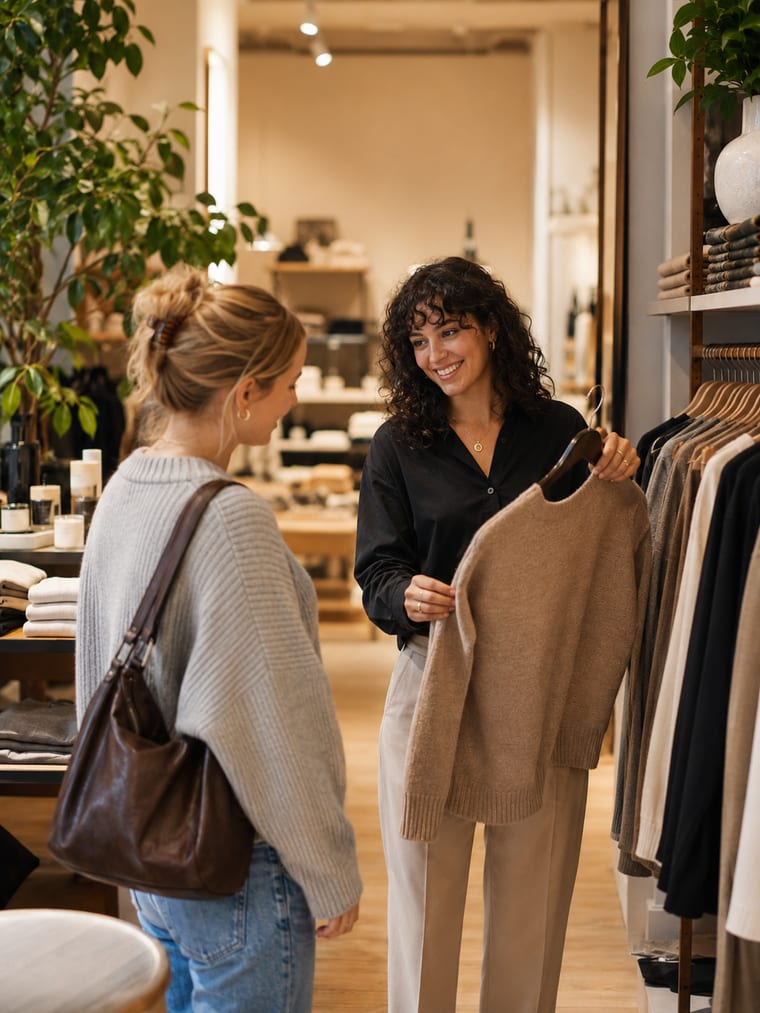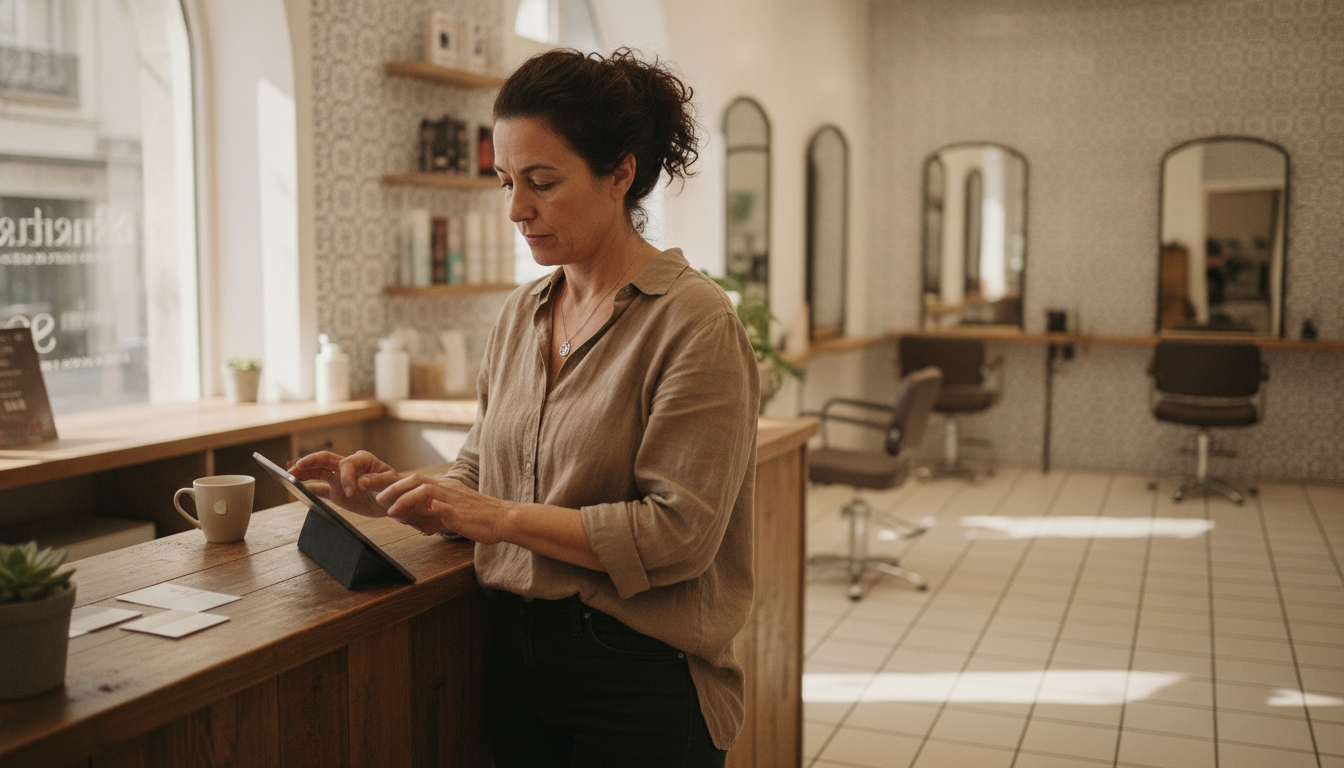
Here is what most articles about marketing automation for local businesses get wrong: they describe the category without describing the action. 'Automate your follow-ups.' 'Re-engage lapsed customers.' 'Run slow-period promotions.' Every owner reading that nods and then goes back to doing it manually - or not at all - because nobody told them what the message actually says, when it fires, or who receives it. This piece fixes that. Below are three automations that work in real physical businesses: a post-visit follow-up trigger, a lapsed-customer reactivation sequence, and a slow-period offer. For each one, you get the timing, the audience logic, and the message structure. Not theory. The playbook.
Automation 1: The Post-Visit Follow-Up Trigger
The 48 hours after a first visit are the highest-leverage window in your entire customer relationship. Emotional recall is high, the experience is still vivid, and the customer hasn't yet had a reason to go anywhere else. Almost no local business uses this window intentionally. The ones that do see measurably higher second-visit rates - typically 20-30% better than untouched new customers, based on retention data across hospitality and retail.
The Setup
- Trigger: Customer completes a first transaction (POS data, booking system, or point-of-sale receipt capture).
- Timing: Message fires 24-48 hours after visit - not immediately, which feels robotic, and not after 72 hours, when recall starts to fade.
- Audience logic: First-time customers only. Anyone who has visited before in the last 90 days is excluded from this sequence.
- Message structure: Three sentences maximum. Sentence one - a warm, specific acknowledgement ('Thank you for coming in on Tuesday'). Sentence two - a low-friction next step, not a discount ('We'd love to see you again - here's what's new this week'). Sentence three - a single link or booking prompt.
- Channel: SMS outperforms email here by a wide margin. Open rates for SMS hover around 90% versus 20-25% for email. If SMS isn't available, email is still worth running - just expect lower engagement.
- What not to do: Do not lead with a discount. You are training the customer's expectation from the very first follow-up. Lead with warmth and a reason to return, not a price cut.
Automation 2: The Lapsed-Customer Reactivation Sequence
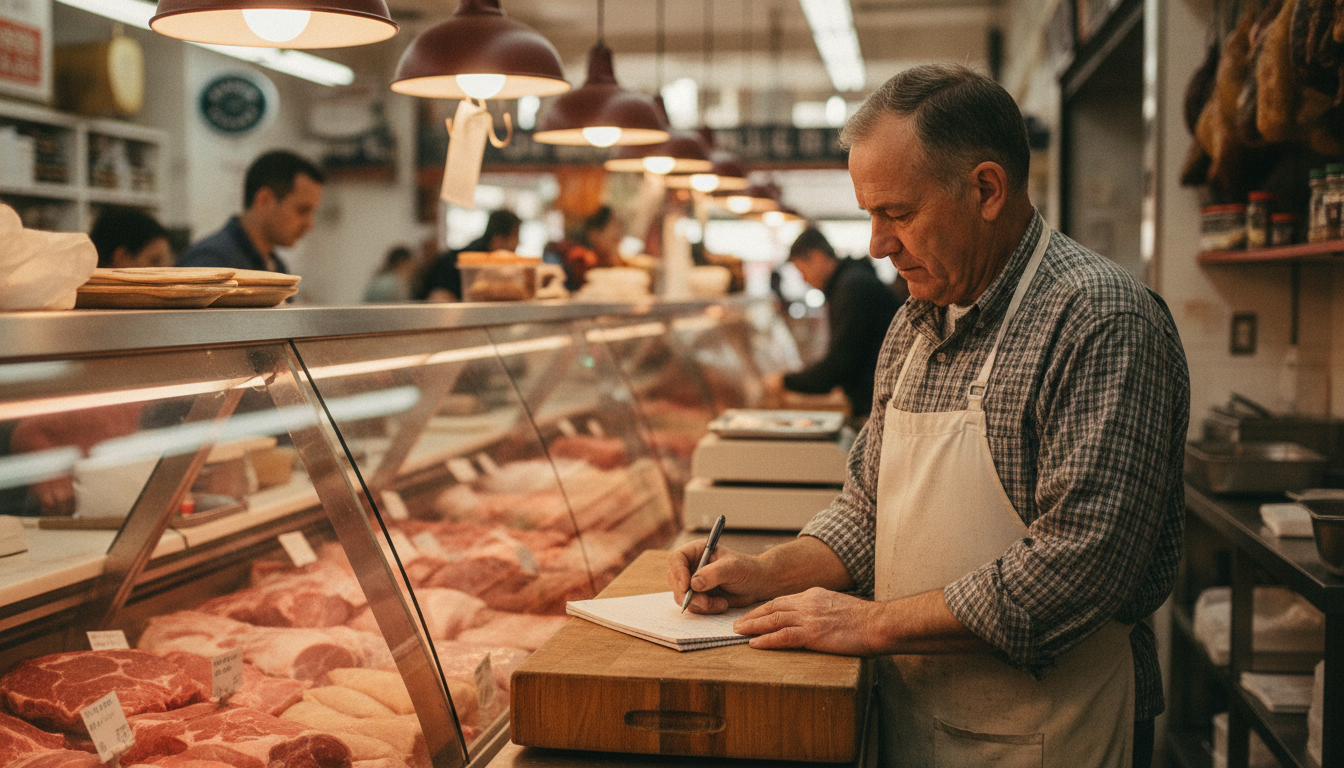
Every business has a natural return window - the average number of days between a customer's visits. A barbershop might be 28 days. A restaurant might be 21. A boutique clothing store might be 45. The moment a customer goes meaningfully beyond their normal return window without visiting, they are drifting. Most owners never notice until the customer is already gone. A reactivation sequence catches them in the drift, before the exit is final.
The Setup
- Trigger: A customer's last visit date exceeds their personal return window by 20-30%. If your average customer returns every 21 days and someone hasn't been back in 28, they enter the sequence.
- Timing: Three-touch sequence. Touch one at the 20-30% overdue mark. Touch two seven days later if no visit. Touch three - and the last one - seven days after that. After three touches with no response, the customer exits the sequence. Do not chase endlessly.
- Audience logic: Customers who have visited at least twice before. First-time customers who never returned are a different problem and require different messaging.
- Message structure for touch one: Personal tone, no hard sell. 'We haven't seen you in a while - here's what's changed since your last visit.' Link to something genuinely new: a menu update, a new service, a seasonal product.
- Message structure for touch two: Soft value offer. Not a discount - a bundle, an upgrade, or a priority booking slot. Something that feels like preferential access, not desperation.
- Message structure for touch three: The honest close. 'We'd love to have you back. Here's a small thank-you for being a loyal customer.' This is the one touch where a modest offer is appropriate, because the relationship has already been warmed twice.
- What to measure: Track reactivation rate (visits generated divided by contacts sent) separately from your general marketing metrics. Industry benchmarks for well-structured reactivation sequences run 10-25% response rates for businesses with strong prior relationships.
The best time to win a lapsed customer back is before they know they've left. By the time they're consciously choosing a competitor, you're already too late.
Automation 3: The Slow-Period Offer
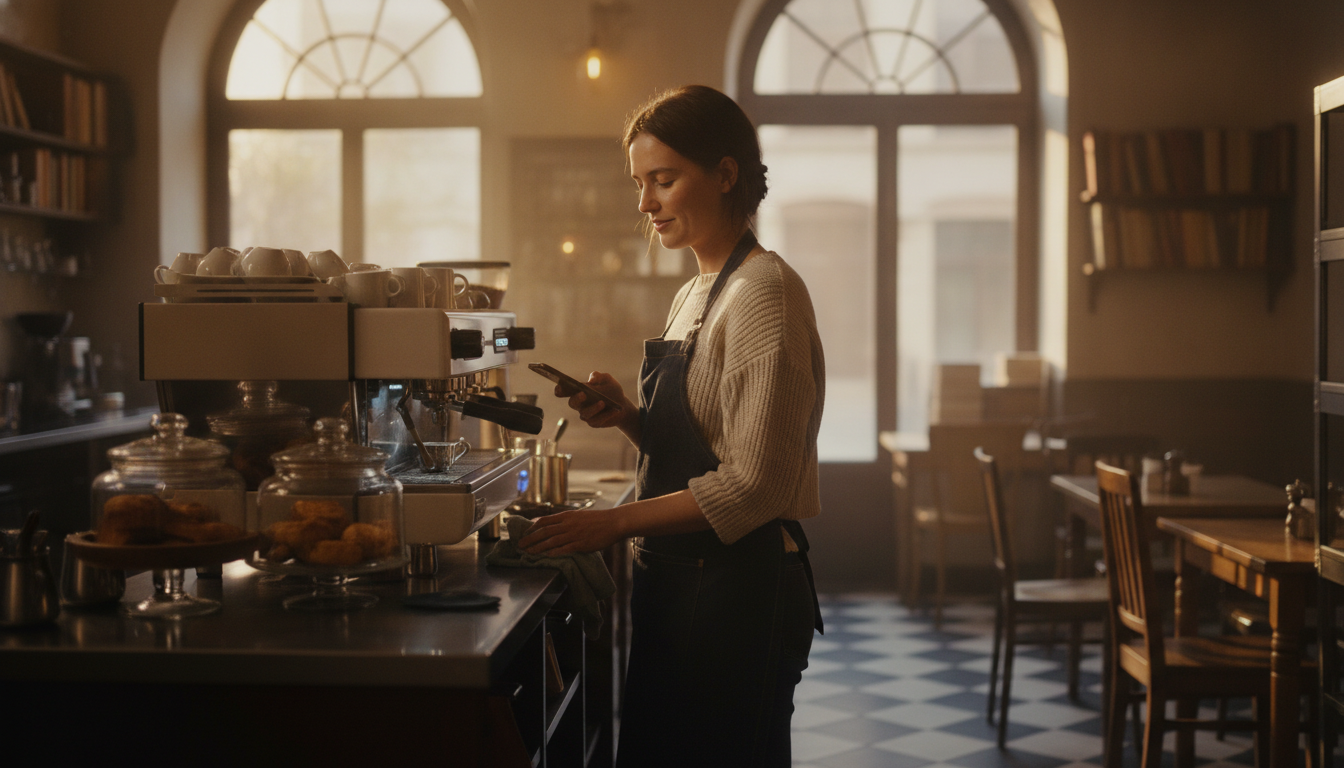
Every physical business has dead time. The Tuesday lunch hour. The post-holiday January slump. The rainy Wednesday afternoons. Most owners respond to dead time reactively - posting a last-minute discount on Instagram at 11am hoping it drives a lunchtime rush. That approach is exhausting, margin-destroying, and largely ineffective. The slow-period automation flips the model: you identify the pattern in advance, schedule a targeted offer before the window opens, and let it run without touching it.
How to Structure a Slow-Period Automation
Start with your POS or booking data: identify the two or three consistent low-traffic windows across a rolling 90-day period. These are your targets. Build one offer per window - not a blanket discount, but a time-specific reason to visit. A restaurant might offer a two-course express lunch for the dead 11:30am slot before the mainstream rush. A yoga studio might offer a free guest pass for Tuesday classes that habitually run at 40% capacity. The offer is built once. The automation schedules it to go out 48-72 hours before the slow window, targeted at customers who have previously visited during similar time slots - not your whole list. Reaching customers who have already shown a behavioural willingness to visit at odd hours converts at two to three times the rate of a broadcast message sent to everyone.
The Audience Logic That Most Owners Skip
- Segment by visit time: Customers who have previously visited during your target slow window are your highest-probability respondents. Address them first.
- Segment by recency: Active customers (visited in the last 60 days) respond better than lapsed ones. Use slow-period offers to serve active customers; use the reactivation sequence separately for lapsed ones.
- Cap the offer size: Time-specific value (priority seating, early access, a free upgrade) outperforms percentage discounts on margin and on customer behaviour. A 15% discount trains price sensitivity. A priority table at 11:30am trains convenience loyalty.
- Set a hard expiry: The offer expires with the slow window. 'Available Tuesday lunch only' creates urgency without requiring a countdown timer or a pressure-sell tone.
The Infrastructure Question: Why These Three Rarely Get Built
The reason most local businesses are reading about these automations rather than running them is infrastructure, not intention. Connecting POS transaction data to a customer communication tool, setting trigger logic, building audience segments, and scheduling multi-touch sequences traditionally required either a developer or a marketing operations hire - neither of which a neighbourhood restaurant or a ten-chair salon typically has. Rulrr was built specifically to close that gap: it connects POS data to campaign logic, handles the audience segmentation, and runs the sequences without requiring technical setup. The three automations above map directly to what the platform does out of the box. But the logic itself - the timing, the message structure, the audience rules - is what you need to understand first, regardless of what tool you use to run it. Know the playbook before you pick the infrastructure.
Start with one. The post-visit follow-up is the fastest to build and the fastest to show results, because it targets the highest-intent moment in the customer relationship. Get that running this week. Add the reactivation sequence in week two. Build the slow-period offer once you have 90 days of POS data to identify the pattern clearly. Three automations, three weeks, and your marketing is doing real work while you focus on running the business.