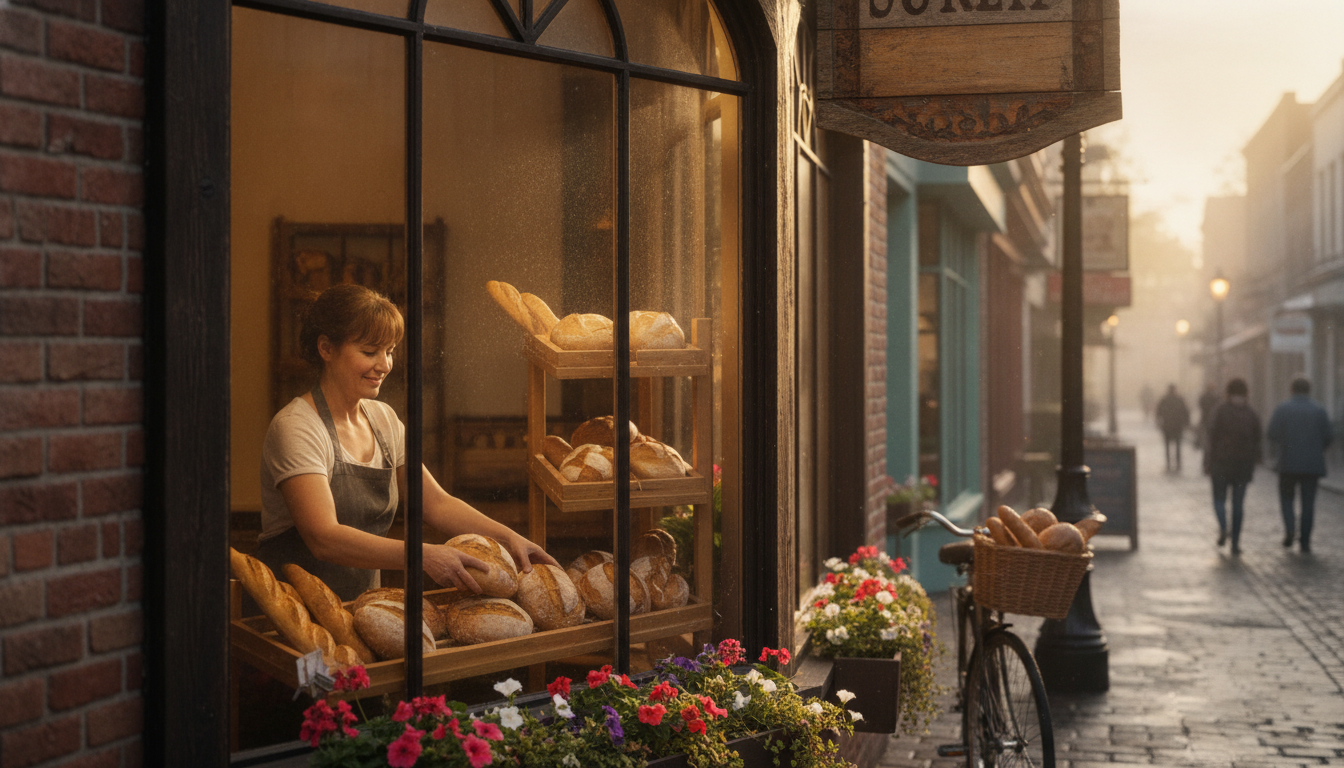
There is a café owner in your neighbourhood who posts every single day. Stories, reels, flat lays of the croissants, a boomerang of the espresso. She is exhausted, she is consistent, and her tables are still half-empty on Tuesday afternoons. Two streets over, a competitor posts three times a week. Thoughtfully. Deliberately. With a clear reason for each post. Her brunch slots book out by Thursday. The difference is not effort. It is not even talent. It is that one of them is optimising for the right thing - and it is not post count.
Why Frequency Feels Like Progress but Rarely Creates It
The instinct to post more is understandable. It feels like momentum. It looks like activity. And for a business owner who has no time to analyse what is working, volume becomes a proxy for effort. But Instagram's algorithm - and more importantly, your actual customers - do not reward volume. They reward relevance. A post that lands at the wrong time, for the wrong audience, with a vague message and no clear next step does not build your business. It builds your follower count on a good day, and disappears into the feed on every other day. For a physical local business, the stakes are different from an influencer or a national brand. You are not trying to build a media audience. You are trying to fill specific slots: the quiet Wednesday dinner service, the Tuesday morning appointment gap, the weekend retail rush. That requires precision, not volume.
The Four Elements That Make a Local Post Actually Convert
High-performing local businesses - the ones whose posts actually drive walk-ins, bookings, and transactions - tend to get four things right on every post, every time. Miss one, and the post becomes content. Get all four, and it becomes a customer.
- Timing relative to footfall patterns: A restaurant post about Friday night specials lands on Tuesday when someone is making weekend plans - not Friday at 7pm when they have already chosen somewhere else. A gym posting a class reminder at 9pm reaches the person deciding whether to book tomorrow morning. Map your slowest slots, count backwards 48-72 hours, and post then.
- Offer clarity: The single biggest conversion killer in local social content is vagueness. 'Come visit us this weekend' is not an offer. '20% off every takeaway coffee before 9am this week' is. The post should answer the question: 'What specifically am I being invited to do, and why now?' in the first three words of the caption.
- Social proof woven in: A screenshot of a recent five-star review, a customer photo with permission, a mention of how many people booked a specific service last month - these micro-signals do more conversion work than any graphic. They tell a stranger that someone like them already took the risk and it paid off.
- One call to action only: 'Book now. Follow us. Share with a friend. Tag someone who needs this.' That is four CTAs, which means zero CTAs. Every post should have one action it wants the reader to take, linked directly to the business outcome you are trying to drive this week.
The best local social post is not the prettiest one or the most frequent one. It is the one that answers: why this, why me, why now - and makes the next step obvious.
How to Build a Three-Post Week That Outperforms Seven
Once you stop thinking about filling a posting schedule and start thinking about the three jobs your content needs to do each week, the structure becomes simple. Every week, most local businesses need to drive one of three outcomes: attract new customers who have not visited, bring back someone who has, or deepen loyalty with regulars. One post per outcome, per week. That is your three.
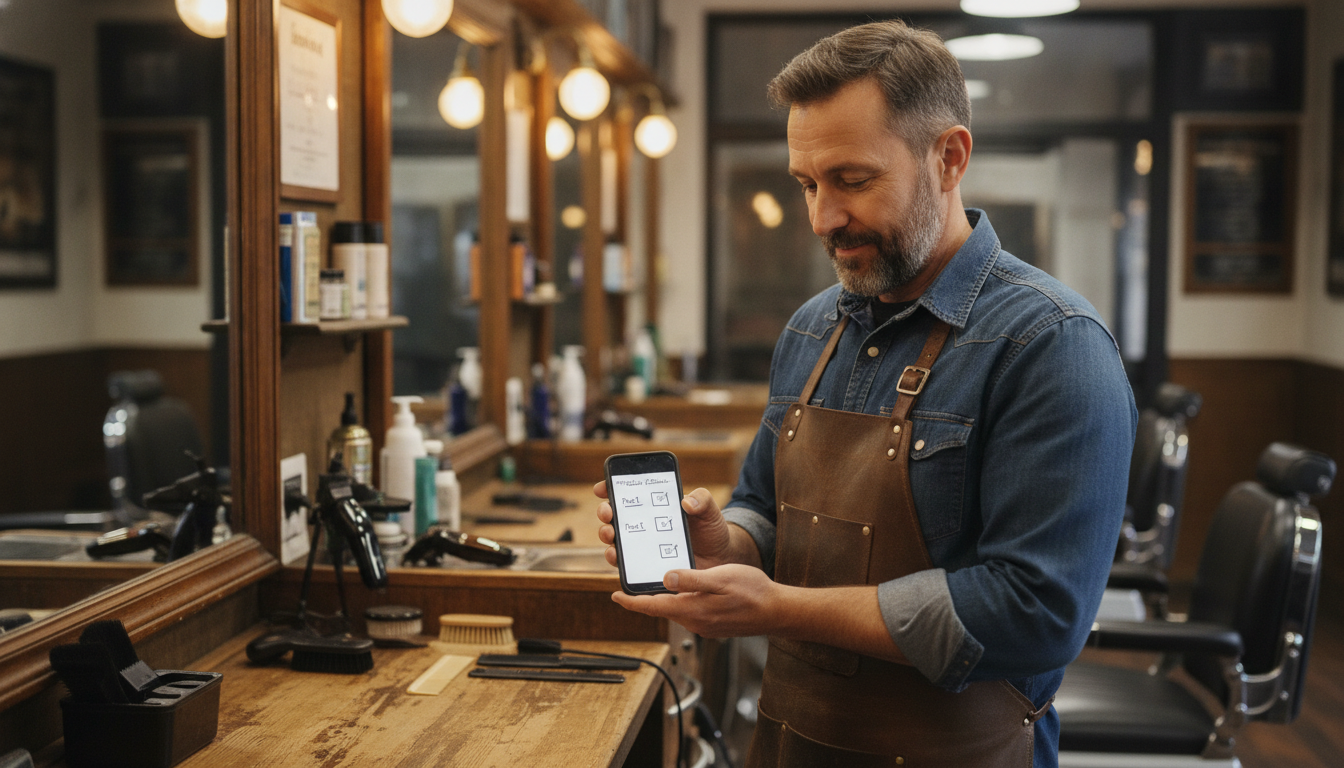
- Post 1 - Acquisition (Monday or Tuesday): Target the person who has walked past but never come in. A specific offer with clear terms, posted 48-72 hours before your quietest mid-week slot. Include one piece of social proof and one CTA that removes friction - a booking link, a click-to-call, or a 'show this post' mechanic.
- Post 2 - Reactivation (Wednesday): Target the person who came once but has not returned. A behind-the-scenes moment, a new product or menu item, a 'we have missed you' framing. This post is warmer in tone, designed to make a lapsed customer feel like returning is easy and welcome - not like they are being sold to.
- Post 3 - Loyalty (Friday): Target your regulars. Celebrate them. An exclusive heads-up about something new, a thank-you to the week's customers, a weekend special framed as a reward rather than a discount. This post does not need a hard CTA - it builds the relationship that keeps regulars loyal and makes them recommend you without being asked.
Building the Structure Once and Letting It Run

The System That Removes the Midnight Scramble
The owners who have cracked local social media are not spending more time on it. They have built a repeatable structure - three post types, defined goals, fixed timing - and they fill that structure efficiently each week rather than starting from scratch. This is exactly where Rulrr's content engine earns its keep: define your three weekly post types once, and the platform generates on-brand, locally relevant content ideas that fit each slot - timed against your business patterns, not a generic posting calendar. The result is not just less time spent. It is content that is structurally designed to convert, not just to fill a feed. Owners who shift from reactive daily posting to this kind of intentional three-post structure consistently report the same thing: less effort, more measurable results, and no more Sunday night anxiety about what to post tomorrow.
The businesses that will win local social in the next two years are not the ones with the most content. They are the ones whose content is doing a specific job every single time it goes out. Start with the framework above this week. Map your three slots, define the outcome for each, apply the four conversion elements, and post with intention rather than frequency. Then measure what actually moved - tables filled, bookings made, walk-ins. That is the metric. Not the grid.