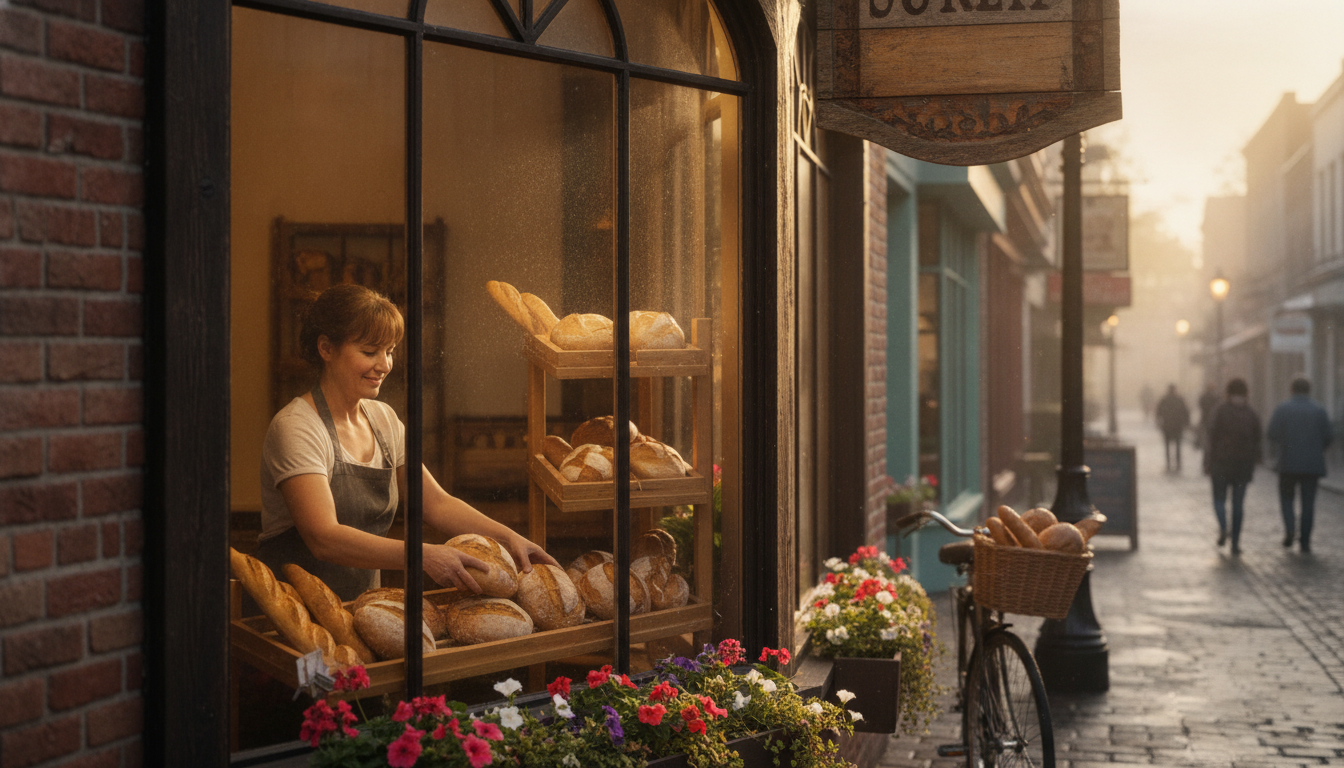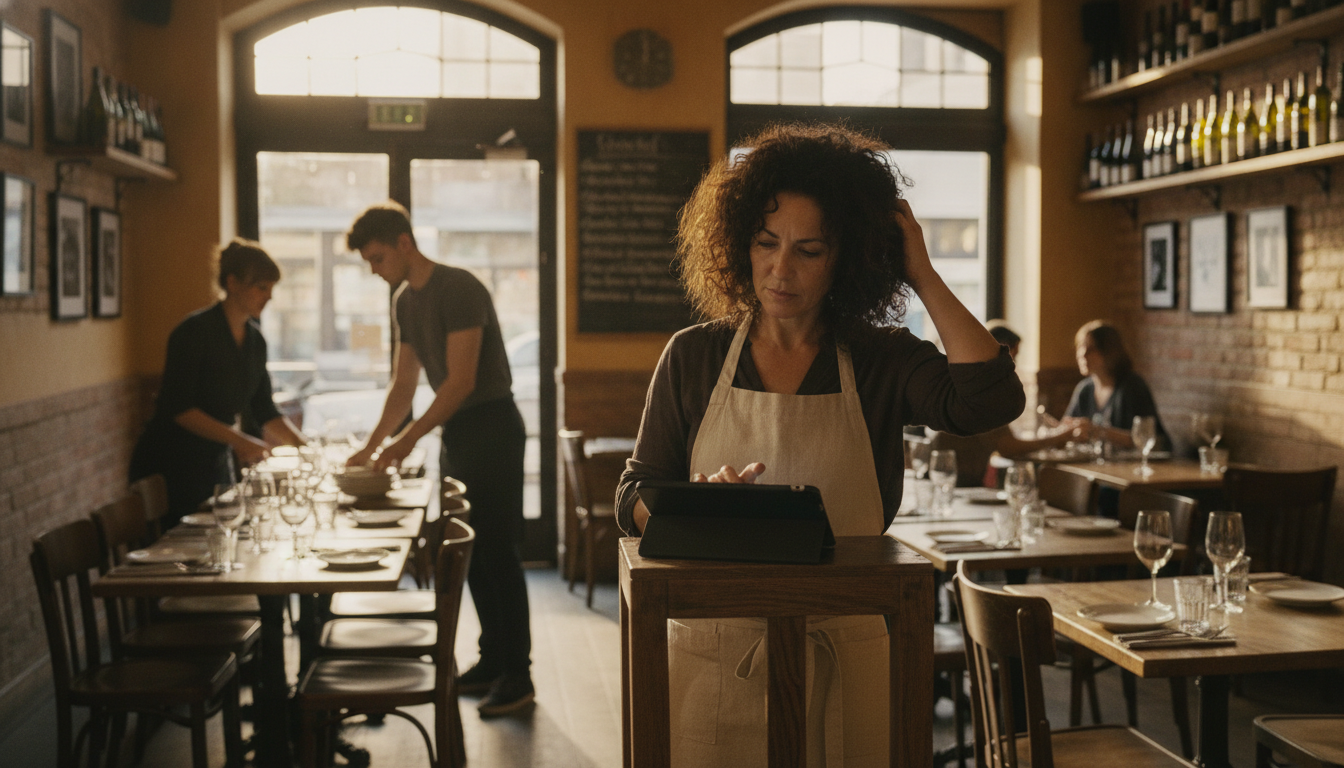
A customer walks into your restaurant, has a great meal, leaves a decent tip, and steps back out into the street. You did the hard part: you earned their trust. And then, for the next 48 hours - the exact window research shows is most likely to determine whether they become a regular or a one-time visitor - you do absolutely nothing. No message. No reason to return. Just silence, and hope. Most local businesses run this way. The ones that grow consistently do not.
Why the Second Purchase Is the Most Important Sale You Will Ever Make
The numbers here are not subtle. Studies in retail and hospitality loyalty consistently show that a customer who makes a second purchase is between 60% and 70% more likely to make a third - and their average spend per visit increases each time. The first sale covers your acquisition cost. The second sale is where you start making real money. But the second sale has a closing window, and it is shorter than most owners assume. Impulse, novelty, and goodwill all fade. Within 48 hours of a first visit, a new customer still remembers the feeling of being in your space. After 72 hours, competing options, daily friction, and simple forgetfulness begin to erode that memory. After a week, you are just another place they went once.
Acquiring a new customer costs five to seven times more than retaining an existing one. The math alone should make post-visit follow-up your highest-priority marketing activity.
The Three Message Types That Actually Convert Within 48 Hours
Not every follow-up message is equal. The ones that work share a specific quality: they feel like a natural continuation of the experience the customer just had, not a marketing blast that reminds them they are on a list. Here are the three that consistently perform across restaurants, salons, and retailers.
- The warm acknowledgement (send within 2-6 hours): A short, personal-feeling message that references the visit specifically. For a restaurant: 'Thank you for joining us tonight - hope you enjoyed the lamb. We would love to see you again.' For a salon: 'Great having you in today. Your cut should be easy to manage at home - here is a quick tip for keeping it sharp.' This is not a discount. It is a signal that you noticed them.
- The low-friction reason to return (send at 24 hours): Give them something concrete and easy to act on. A table booking link. A link to your weekly specials. A first-timer loyalty stamp they can collect next visit. The key is low friction - one tap, one step. Do not ask them to fill in a form or create an account.
- The social proof nudge (send at 36-48 hours): If they have not yet returned or booked, this is when you ask for a review or share. 'If you enjoyed your visit, a quick review on Google helps us more than you know - and takes about 45 seconds.' People who just had a positive experience are statistically far more likely to leave a five-star review than people asked cold months later.
How This Looks in Practice: Three Business Types, One System
The principle is the same across categories. The specific touchpoints just need to match the context of the visit.
Restaurant or Cafe
A first-time guest at a casual dining restaurant gets a thank-you message at hour four referencing their visit. At hour 24, they receive a mid-week table offer with a direct booking link - nothing dramatic, just 'We save a few tables for regulars on Wednesdays. Book one here.' At hour 40, if they have not booked, a soft review prompt goes out. This three-touch sequence, fully automated and triggered by a POS sale or reservation system entry, has been shown to increase second-visit rates by 20-30% in independent restaurant tests.
Hair Salon or Barbershop
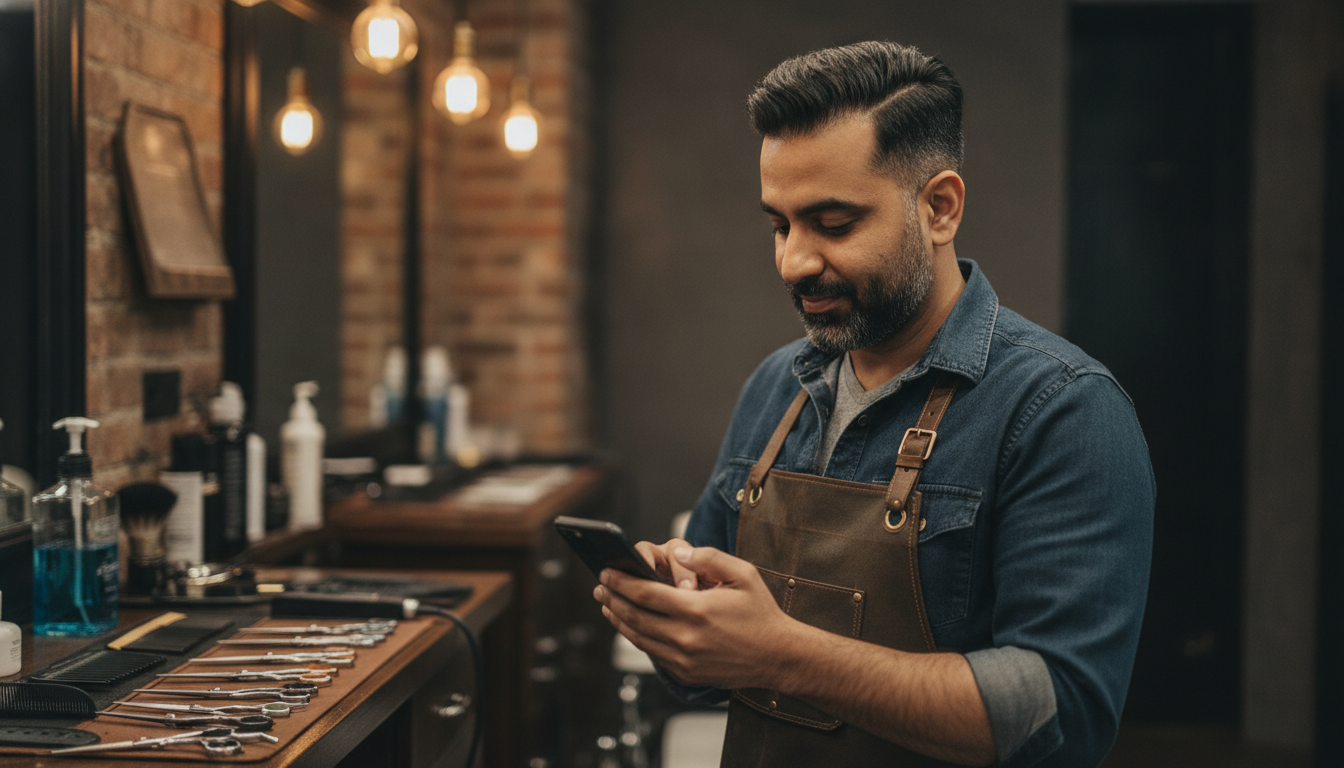
A new client who just had a cut gets a same-day message with a care tip specific to their style. At 24 hours, they receive a reminder that their next appointment can be booked now - with a 'we will hold your usual slot' framing that creates mild but genuine scarcity. At 48 hours, a review request. The rebooking prompt at 24 hours is particularly powerful in salons because the emotional high of a fresh cut is still strong - and booking friction is the main reason clients do not rebook on the day.
Retail Boutique or Specialty Store
A first purchase triggers a same-day order confirmation that also introduces one related product or collection - not aggressively, just 'a few customers who bought this also loved...' At 24 hours, a message highlights an upcoming in-store event, new arrival, or seasonal drop. At 48 hours, a loyalty programme invite or review request. Retail has the added advantage of purchase data: the item they bought tells you exactly what to show them next.
Building the System Once So It Runs Indefinitely
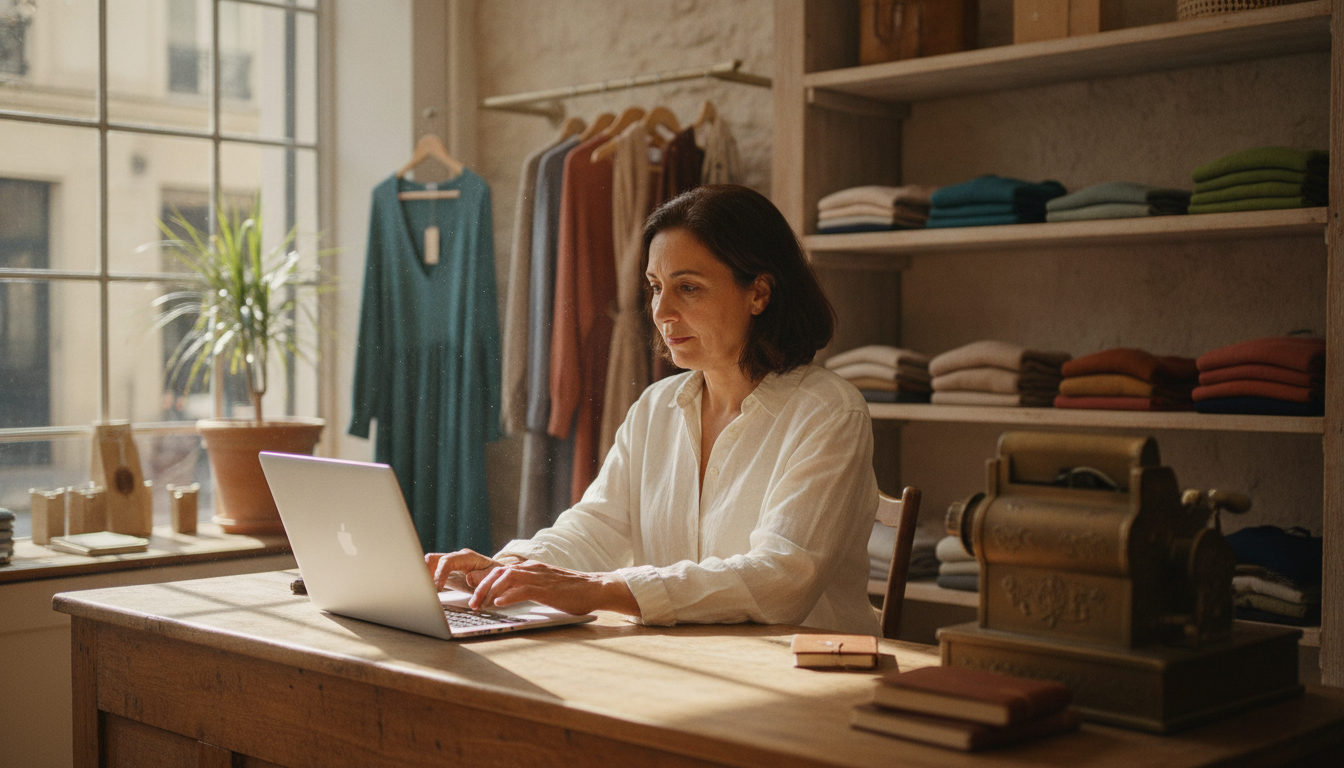
Set It Up Once. Let It Work Every Day.
The reason most local owners do not run post-visit sequences is not that they do not see the value - it is that building and sending individual messages to every new customer is not realistic on top of running a business. The system only becomes useful when it is automated. Rulrr's post-visit flows connect directly to your POS data, so the moment a first-time customer completes a transaction, the sequence starts without you touching anything. You write the messages once - tailored to your business, your voice, your offers - and the platform handles the timing and delivery automatically. It is the kind of marketing infrastructure that works hardest when you are busiest, which is exactly when you have the least time to think about it.
The One Thing to Do Before You Read Another Marketing Article
Audit your current post-visit follow-up right now. Ask yourself honestly: what happens after a new customer pays and walks out the door? If the answer is nothing - no message, no prompt, no reason to return - you are leaving your highest-leverage growth opportunity untouched. The 48-hour window does not wait. Every new customer who leaves without a follow-up is a second sale that simply does not happen. Start with one message. Write it today. Get it sent tomorrow. The data on what comes back will make the case for the rest of the system faster than any article can.
The best retention strategy is not a loyalty card or a discount scheme. It is simply being the business that remembers the customer existed - before they forget you did.