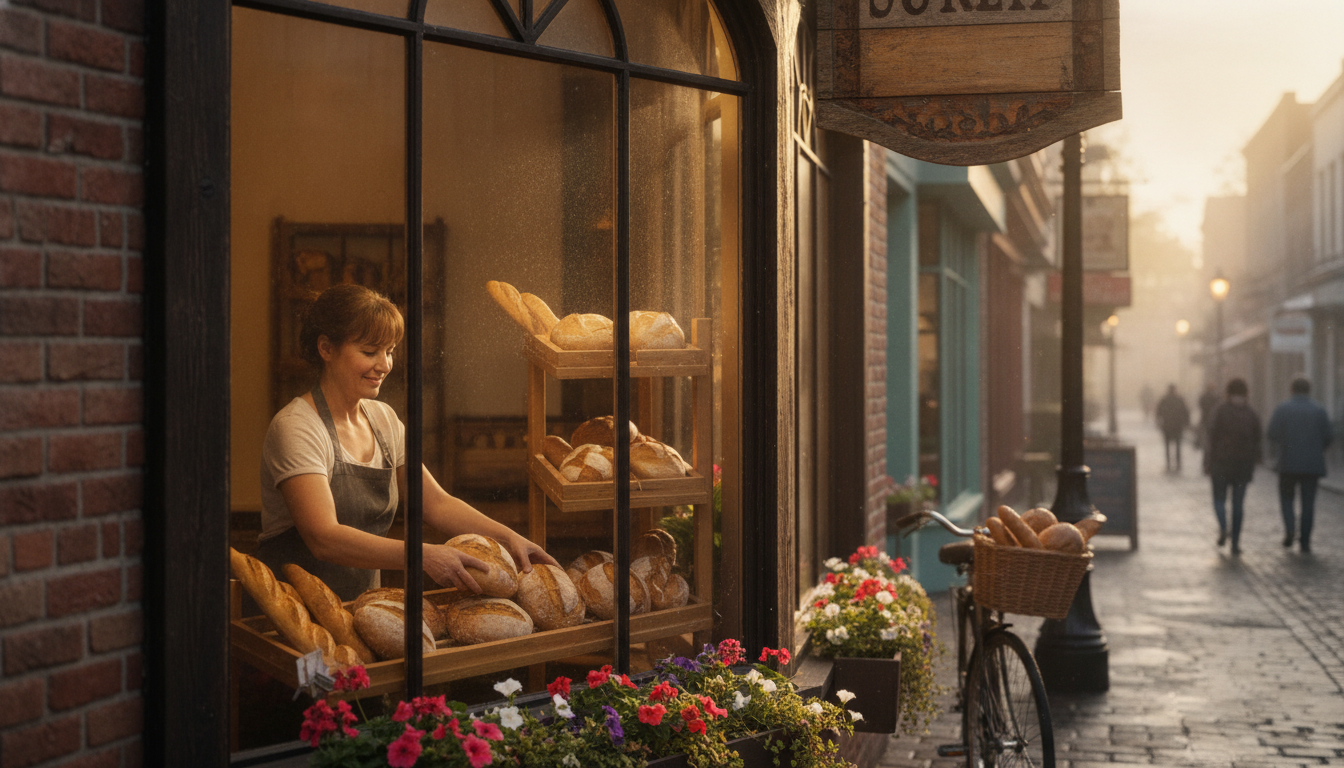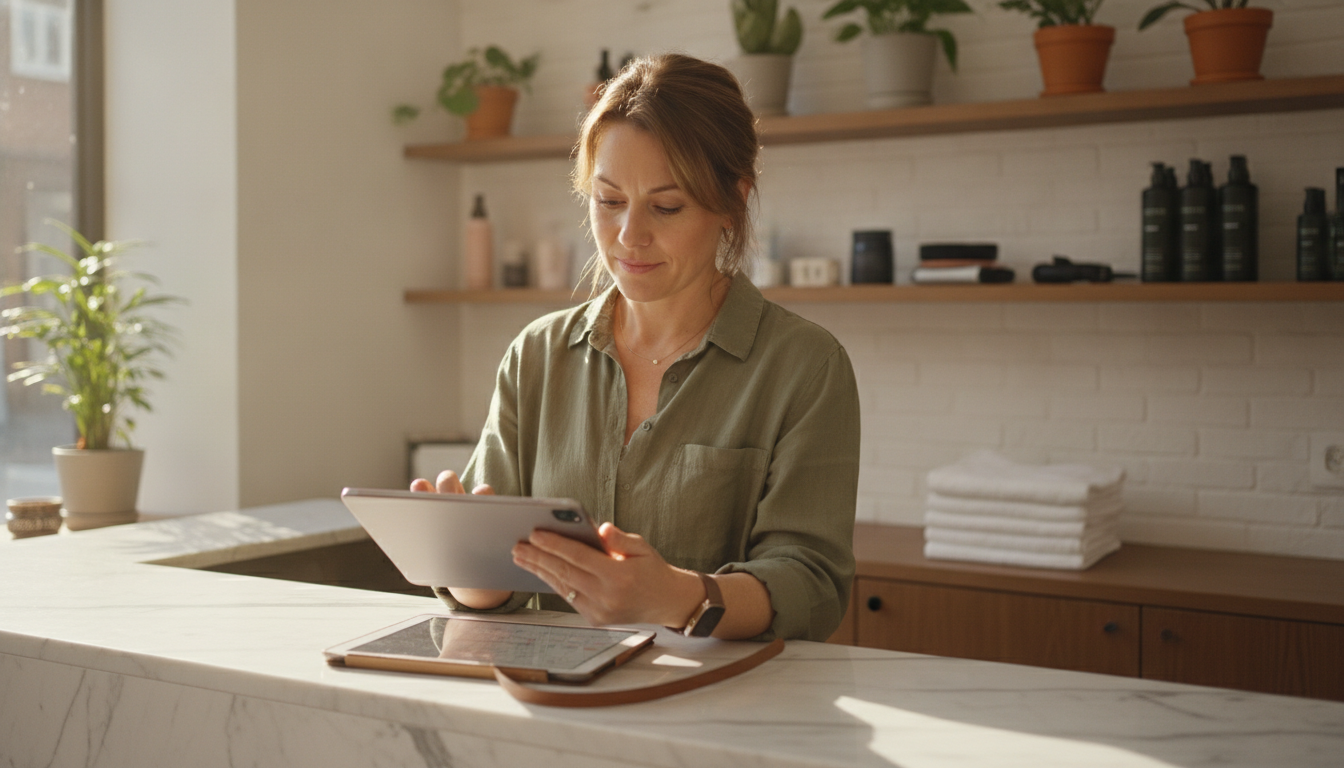
Somewhere in your customer list right now are 40 people who visited your salon, clinic, or barbershop in the last 90 days, enjoyed the experience, and have not been back. Not because they found someone better. Not because something went wrong. Simply because nobody asked them to return at the right moment. A single automated message - specific, warm, sent at exactly the right hour - consistently outperforms discounts, social campaigns, and loyalty card schemes in converting that second appointment. The businesses using it are seeing 20-25% lifts in repeat bookings from a sequence that runs entirely without staff touching it.
Why Timing Is the Whole Game
Most service businesses treat follow-up as an afterthought - a bulk newsletter sent monthly, a vague 'we miss you' text months too late. The research on repeat visit behaviour tells a different story: a customer's intent to rebook peaks within 72 hours of their last appointment, when the experience is still fresh, the result is still visible, and the emotional connection to your business is at its highest point. Wait a week and that intent drops sharply. Wait a month and you are competing with habit and inertia. The three timing windows that actually move the needle are specific, and most businesses are hitting none of them.
- 72 hours post-visit: The warm check-in. Highest conversion window. The customer is still experiencing the result of your work - a fresh cut, a facial glow, a post-massage calm. A short message here feels personal, not commercial, and a rebook link converts at its peak.
- 21-28 days post-visit: The natural return nudge. For most service businesses this aligns with the customer's actual repurchase cycle. A message here that references what they had done last time feels attentive, not automated.
- 60-90 days post-visit: The reactivation window. This is your last clean shot before a lapsed customer mentally files you under 'used to go there'. A warm, low-pressure message with a specific reason to return - a new treatment, a seasonal offer, a simple 'your slot is available' - pulls back 10-15% of customers who would otherwise go quiet.
The Exact Copy Framework That Converts
The message that books the return visit is not the one with the most words, the cleverest headline, or the steepest discount. It is the one that feels like it was written for one person. Three elements make the difference between a message that gets ignored and one that generates a booking within the hour.
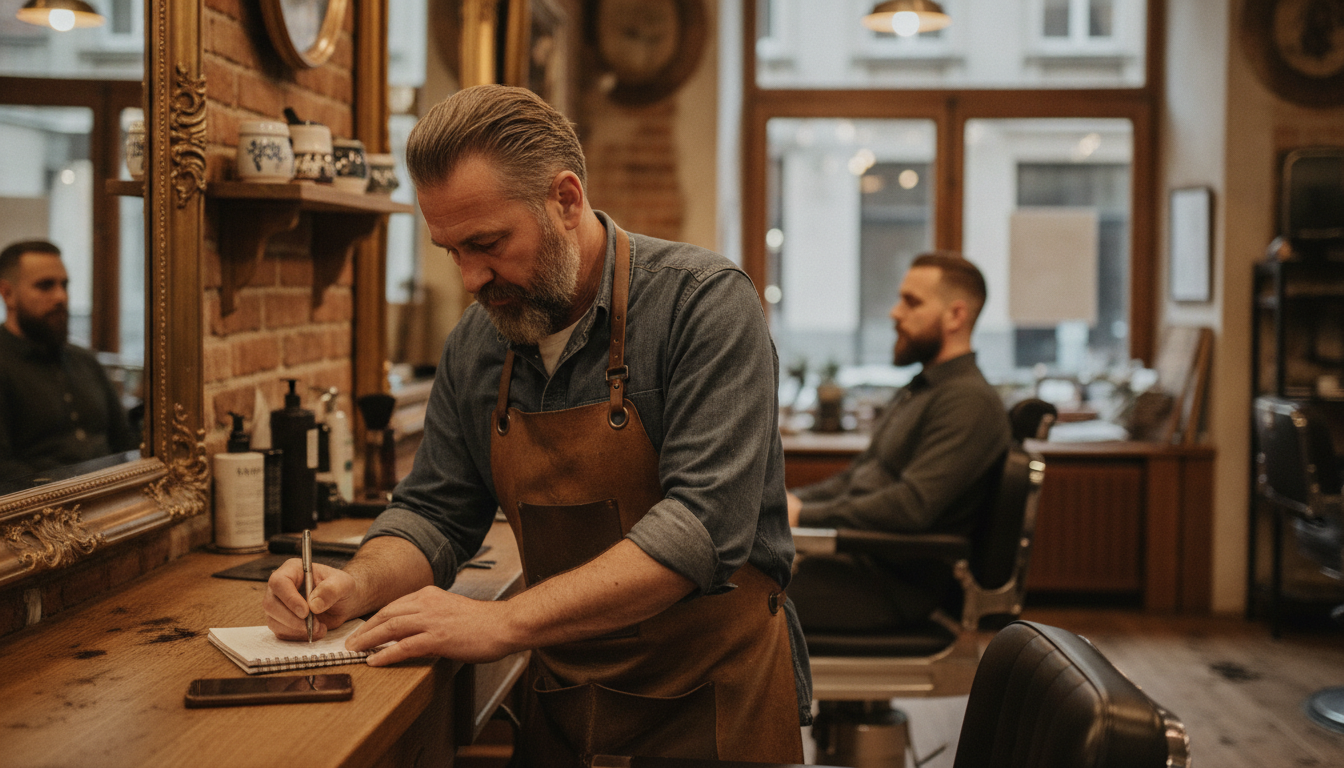
The Three-Part Message Structure
First, reference something specific from their visit - the service they had, the stylist they saw, a detail that signals you actually remember them. Second, give them one clear, frictionless call to action: a link that opens directly to booking, not your homepage. Third, keep the whole message under 60 words. Brevity signals confidence. A long message signals that you are trying too hard. For the 72-hour window, a template that works reliably: 'Hi [Name] - hope you are loving your [service] from [day]. [Stylist name] has some availability coming up over the next two weeks if you would like to lock in your next visit: [booking link]. See you soon.' That is it. No discount, no urgency language, no three paragraphs about your brand values.
The businesses winning at retention are not out-discounting anyone. They are simply showing up at the right moment with the right message - and making it genuinely easy to say yes.
How to Make This Run Without Anyone Touching It
The reason most service businesses have not set this up is not that it is complicated - it is that it feels like a project requiring a specialist. It is not. The setup has four steps and takes one sitting of about ten minutes.
- Write your three messages - one for each timing window - using the framework above. Personalise the tone to your business: a skincare clinic sounds different from a barbershop, and that distinction matters. Keep each message under 60 words.
- Choose your send channel. SMS converts higher than email for appointment follow-ups - open rates run at 90%+ versus 20-25% for email. If SMS is not available to you, a well-formatted WhatsApp message with a direct booking link is a strong second option.
- Set the triggers. In any modern booking platform or CRM, you can attach a message to fire automatically a set number of hours or days after an appointment is marked complete. This is a standard feature in most tools - if yours does not offer it, that is a genuine gap worth addressing.
- Connect your booking link directly - not your homepage, not your Instagram, not a contact form. The link should open a calendar with available slots. Every extra click between message and booked appointment reduces conversion by a measurable margin.
- Review the sequence once a month. Check open rates, click rates, and actual bookings generated. Adjust the copy if a window is underperforming. The whole review takes fifteen minutes and the data is usually straightforward to read.
The Revenue Case - Made Simply
If your average appointment value is 60 euros or dollars and you serve 80 clients a month, a 23% lift in return visits from lapsed customers represents roughly 11 additional bookings - around 660 in recovered revenue - from a sequence you set up once. Run that across twelve months and you are looking at an additional 7,900 without a single new customer acquired, without a discount offered, and without a social campaign planned. The sequence that Rulrr automates for service businesses treats this kind of follow-up not as a one-off task but as a persistent background system - pulling from appointment history to time messages correctly, generate the copy framework, and track which windows are actually converting. It is the kind of infrastructure that used to require a dedicated marketing person; now it runs quietly while you are in the room with a client.
One Thing to Do Before You Close This Tab
Pull your last 30 days of completed appointments. Identify every client whose last visit was between 21 and 35 days ago and who has not rebooked. Write one 50-word message using the framework above and send it manually to that list today - before you build any automation at all. Track how many book within 48 hours. For most service businesses, that first manual send alone generates two to five bookings from customers who were quietly drifting. That result, from one list and one message, is usually enough to make the case for turning the automated sequence on permanently.