
Somewhere in your customer list right now, there are people who genuinely liked you. They had a good meal, a clean cut, a smooth transaction. They left satisfied, maybe even told a friend. And then, quietly, without drama, without a bad review, they started going somewhere else. Not because they were angry. Not because the competitor is better. Because life moved on, a few weeks slipped by, and nobody reminded them you existed. This is passive churn - and research consistently puts it as the cause behind roughly 68% of lost customers. It is not a service problem. It is a timing problem. And it is almost entirely fixable.
The Enemy Isn't the Customer Who Complained
The unhappy customer is actually your least dangerous customer. They told you something was wrong. You had a chance to fix it, apologise, refund, rebuild. The truly dangerous customer left smiling, tipped well, said 'see you next time' - and then drifted. No trigger. No incident. No feedback. Just a slow fade that your weekly sales report never flags clearly enough for you to act on it. By the time you notice a face you haven't seen in a while, they've probably already built a new habit somewhere else.
It's not that they chose someone else. It's that nobody gave them a reason to choose you again.
The Reactivation Window Is Narrower Than You Think
Every customer has a personal return rhythm. A regular at a barbershop might come every three weeks. A loyal cafe customer might visit twice a week. A gym member might drift if they miss two Tuesdays in a row. The moment their gap since last visit exceeds their personal average by even 20-30%, the probability of spontaneous return drops sharply. After double their average gap, you are no longer top-of-mind - you are a vague memory competing with whoever they walked past last Thursday. The reactivation window is not weeks. For most local businesses, it is days.
- A barbershop customer who visits every 3 weeks needs a nudge around day 25 - not day 60 when they're already loyal to someone new.
- A restaurant regular who comes twice a month starts drifting after 5-6 weeks of silence from you.
- A spa client on a 6-week booking cycle is at risk the moment week 8 passes without a prompt.
- A boutique shopper who bought seasonally needs contact before the next season opens, not after.
- A gym member who skipped two consecutive sessions is a churn risk, not a lapsed member - the distinction matters for how you message them.
What One Well-Timed Message Actually Does
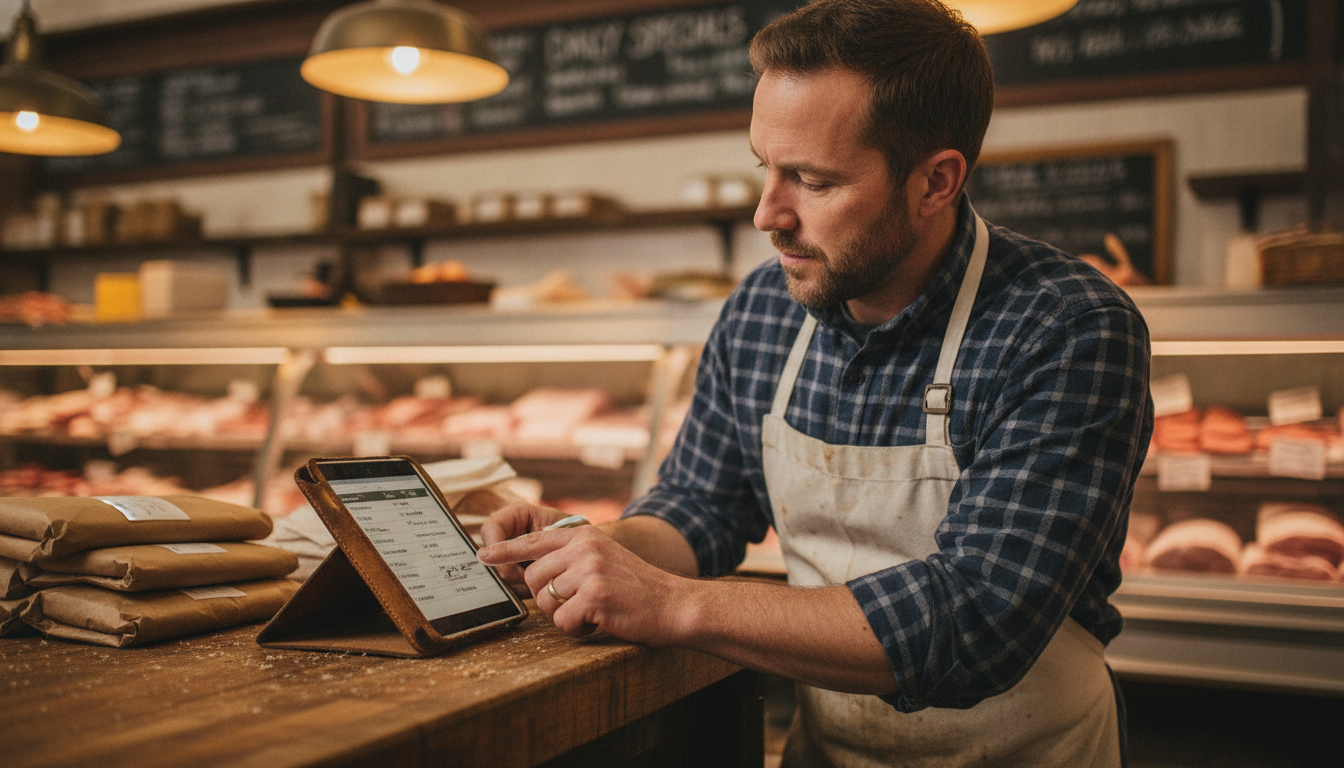
Timing Beats Discounting Every Time
The instinct when you realise a customer is slipping away is to reach for an offer - 20% off, a free add-on, a loyalty point bonus. Resist it. A message that arrives at the right moment, when someone is already slightly aware they haven't visited in a while, doesn't need a discount to convert. It needs relevance and timing. 'We haven't seen you in a while - your usual table is waiting' outperforms '20% off this week only' sent to a cold audience who has already moved on. The offer trains them to wait for the next discount. The timing trains them to remember you exist.
This is the core mechanic that makes reactivation campaigns so consistently high-return: you are not acquiring a stranger. You are reminding someone who already trusts you. The cost per message is negligible. The conversion rate is dramatically higher than cold acquisition. And the lifetime value of a reactivated loyal customer - someone you pulled back before the habit fully broke - compounds over months and years, not just one transaction.

How to Build a Reactivation System Without a Marketing Team
The good news is that you don't need a CRM team, a data analyst, or a campaign strategist to run this. You need three things: a record of when customers last visited (your POS, booking system, or even a simple spreadsheet), a sense of each customer segment's average return frequency, and a message ready to send when someone crosses that threshold. If you handle this manually, you will check it once and forget it for three months. The businesses that actually recover passive churners consistently are the ones that automate the flag and automate the send. Rulrr, for example, can connect to your transaction data and surface exactly which customers have crossed their personal return window - so the message goes out before the customer has fully gone, not after you notice the gap yourself.
- Segment customers by visit frequency first - weekly regulars, monthly visitors, and seasonal buyers need different thresholds and different tones.
- Set your trigger at 1.3x their average gap, not 2x - by 2x the window is already closing.
- Write three message variants: one warm and personal for your highest-frequency regulars, one lighter and curiosity-led for occasional visitors, one value-forward for seasonal customers who need a concrete reason to return.
- Keep the message short - two sentences, a clear reason to come back, and one simple call to action. No discount required for the first send.
- Measure reactivation rate separately from new acquisition - these are different revenue streams and need different success metrics.
Passive churn will never feel urgent. There is no complaint to respond to, no review to manage, no visible crisis. It just quietly hollows out your repeat revenue while your attention is pointed at getting new customers in the door. The businesses that grow consistently are the ones that treat an inactive regular with the same urgency they treat an empty table on a Friday night - because the cost of losing them permanently is almost always higher than the cost of one more acquisition campaign. You already did the hard work of earning their trust. Don't let a timing gap undo it.