Somewhere in your transaction history right now, there are twelve to twenty customers who used to come in every two or three weeks - and haven't been back in over a month. They didn't complain. They didn't post a bad review. They just quietly stopped. For most local owners, those names are invisible: no alarm went off, no flag was raised, and no message was ever sent. The brutal irony is that the moment they crossed their personal return window - the point where the gap between visits became unusual for them - was also the exact moment a single well-crafted message could have pulled them back. That window doesn't stay open forever. Here's how to find it, and precisely what to say.
What a 'Personal Return Window' Actually Means
Not all customers behave the same way, and treating them as if they do is one of the most expensive mistakes in local business marketing. A regular at your hair salon might come in every five weeks like clockwork. A loyal customer at your butcher shop might appear every Saturday. A guest at your yoga studio might attend twice a week during term time and disappear in summer. Each of those people has an implied rhythm - a cadence that lives in your transaction data whether you're reading it or not. Their personal return window is simply the gap between visits that is normal for them. The moment they go even 20 to 30 percent beyond that window without returning, they've crossed a threshold. They're not gone yet, but they're drifting - and every day you wait to reach out, the probability of getting them back drops.
The highest-leverage moment in a customer relationship isn't the first visit. It's the first time they're overdue - and you catch it before they realise they've moved on.
How to Find Your At-Risk Regulars This Week - Without Fancy Software
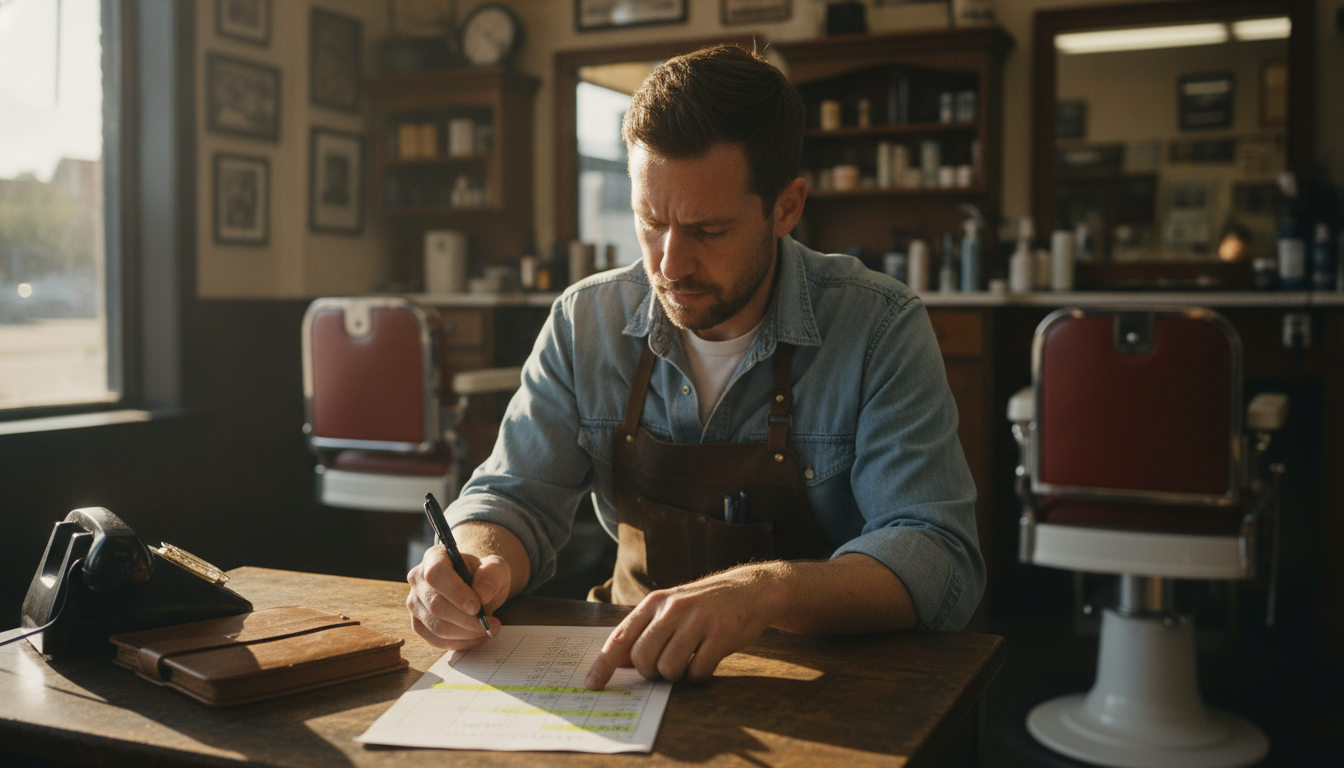
You don't need a complex CRM to run this exercise. If you have any purchase history - a loyalty app, a booking system, a basic POS export, even a spreadsheet of email addresses tied to dates - you have everything you need. Here's the manual version you can do in under an hour, and then we'll talk about how to make it automatic.
- Pull your transaction data for the last 90 days and filter for customers who appear at least twice - these are your repeat visitors, the ones who have already shown intent to return.
- For each of those customers, calculate the average gap between their visits. A customer who visited on day 1, day 18, and day 35 has an average return window of roughly 17 days.
- Find every customer whose last visit was more than 1.3x their personal average gap ago - that 30 percent overshoot is your reactivation signal. A 17-day regular who hasn't been back in 22 or more days belongs on your list.
- Segment them into two buckets: 'drifting' (30 to 60 percent past their window) and 'at serious risk' (more than 60 percent past their window). The message for each should feel different.
- Cross-reference with any notes you have - regulars who mentioned a life event, a complaint that was quietly resolved, or a seasonal factor that might explain the gap. Context sharpens the message.
The Three-Line Message That Actually Works
Most reactivation messages fail for the same reason: they feel like marketing. They're generic, they lead with a discount, and they make the customer feel like one of ten thousand names on a list. The message that works does the opposite. It's short, it's specific, and it sounds like it came from a person who noticed their absence - because it did. Here is the structure, with examples across different business types.
- Line 1 - The noticing line: Reference something specific and real, not a generic 'we miss you.' 'It's been a while since your last visit' is weak. 'It's been about six weeks - longer than usual for you' is human. The specificity signals that someone actually paid attention.
- Line 2 - The value line: Give them a reason to come back that feels personal, not promotional. This isn't a voucher blast. It could be a new menu item that matches what they usually order, a seasonal treatment relevant to them, or simply something genuine: 'We've made a change to [X] since you were last in and I think you'd like it.'
- Line 3 - The frictionless ask: Make the next step effortless. A direct booking link, a reply-to-book option, or even just 'We're here Tuesday to Saturday - hope to see you soon.' No pressure, no countdown timer, no 'this offer expires in 24 hours.' Urgency from a regular feels like a threat; warmth feels like an invitation.
Here's a worked example for a casual dining restaurant: 'Hi Maria - it's been about five weeks since your last visit, which is longer than we usually see you. We've just added a new pasta to the menu that I think you'd enjoy based on what you usually go for. We're open every evening this week - hope to see you soon.' That's it. No discount. No emoji overload. No subject line screaming EXCLUSIVE OFFER. Just a person noticing another person, and extending a genuine invitation.
Making This a System, Not a One-Off Effort
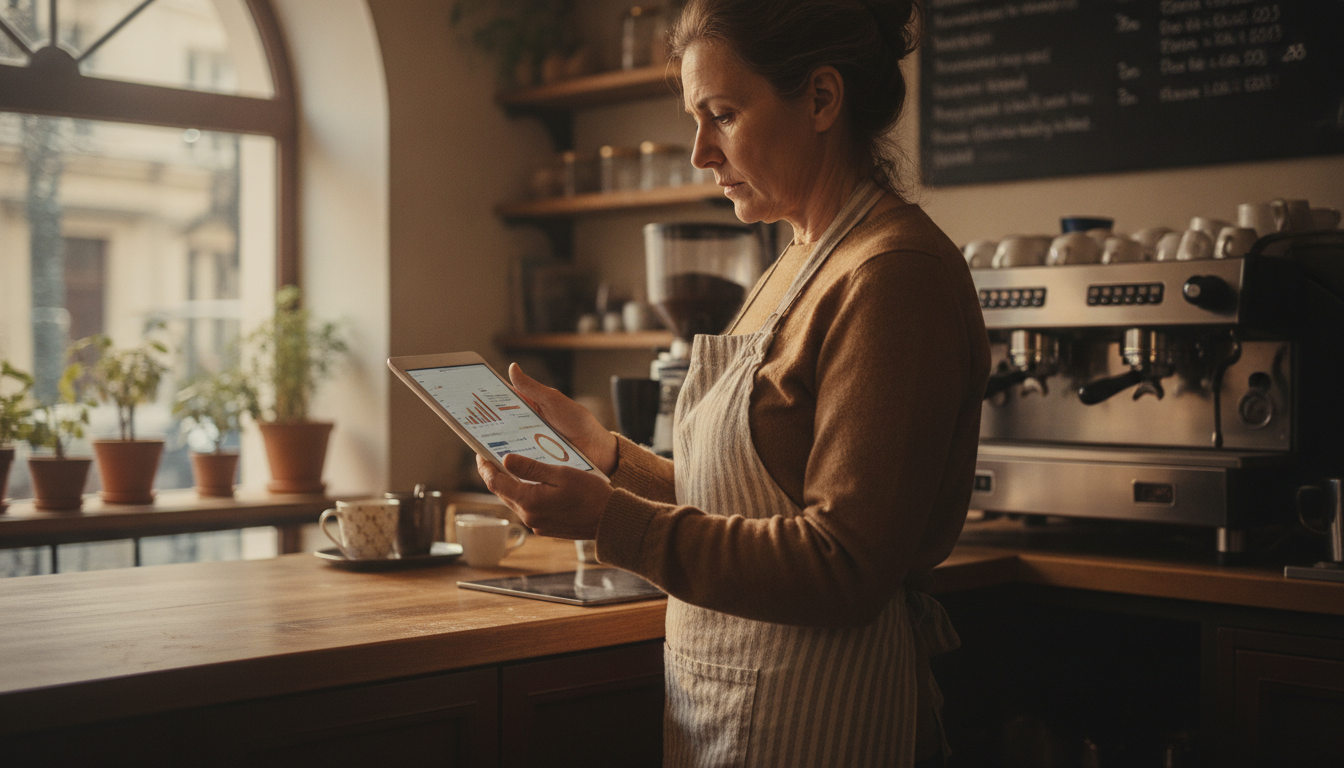
The manual version of this exercise is worth doing once just to understand what's sitting in your data. But its real value comes from doing it consistently - every two weeks, checking who's drifted past their window and sending the right message before they're gone permanently. That's where most owners stall. Not because they don't care, but because without a system watching for the signal, the signal gets missed. Platforms like Rulrr connect directly to POS and transaction data to surface exactly these moments - flagging at-risk regulars, drafting the reactivation message, and scheduling it to land at the right time - so the system runs in the background while you run the business.

The Numbers Behind Why This Is Worth Your Time
Reactivating a lapsed regular costs a fraction of acquiring a new customer - most studies put the ratio somewhere between five and seven times cheaper. But the leverage goes further than acquisition cost. A regular who has visited four or more times typically spends 20 to 40 percent more per transaction than a first-time visitor, and their lifetime value compounds with every additional visit you protect. If you have 200 regulars and even 15 percent of them are quietly drifting right now, that's 30 customers representing potentially thousands in annual revenue sitting in a message you haven't sent yet. The reactivation window for most local businesses closes somewhere between 60 and 90 days from last visit. After that, the cost of re-engagement rises sharply and the success rate drops. The 47-day mark isn't arbitrary - it's roughly the point at which a customer's mental model shifts from 'I haven't been in a while' to 'I don't really go there anymore.' Catch them before that shift, and a three-line message is often all it takes.
The regulars who built your business didn't leave because your food got worse, your service slipped, or a competitor offered something better. Most of the time they left because life got busy, a routine changed, and nobody reached out at the right moment to pull them back. That reach-out doesn't require a marketing team, a big budget, or a complicated campaign. It requires a system that watches the data you're already generating, knows when to act, and says the right thing in the right tone at the right time. Run the exercise this week. Send the message. Then build the system that makes sure you never miss the window again.