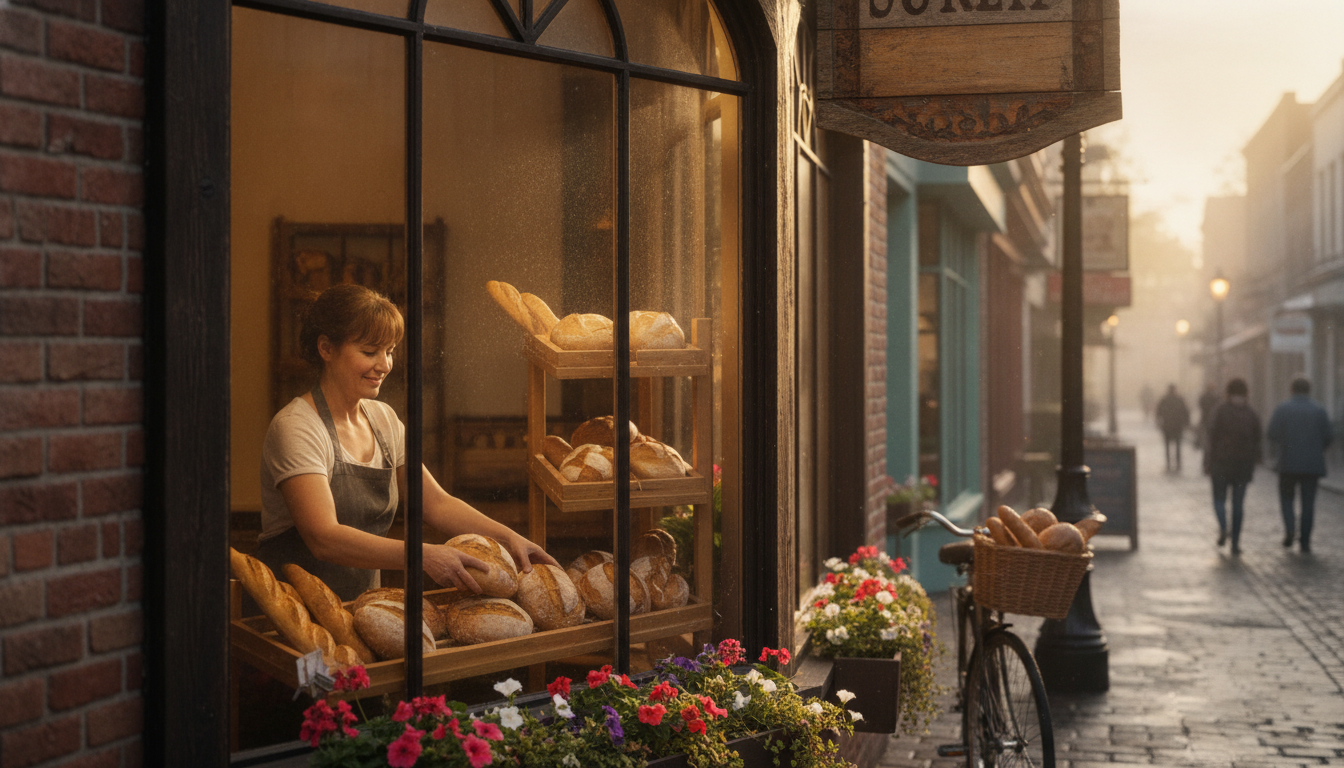
You tried AI content. You got something technically correct, grammatically clean, and completely soulless. It could have been written for a restaurant in Rotterdam or a cafe in Rochester - because it was. The tool had no idea you're three blocks from the Saturday farmers market, that your regulars call the corner table by the radiator 'the office', or that every September your footfall doubles because the school across the road goes back. Generic input produces generic output. That's not an AI problem - it's a context problem. And it has a specific, fast fix.
Why 'Write Me a Post About Our New Menu' Always Fails
When local business owners complain that AI content sounds hollow, the cause is almost always the same: the prompt gave the tool nothing real to grip. AI content systems are pattern engines. Feed them a vague request and they return the statistical average of every similar business everywhere - which reads exactly like that. The fix isn't a fancier prompt. It's building a small, reusable block of local context that you paste in before any content request. Owners who have adopted this habit report that content needs significantly less editing, sounds unmistakably like their business, and actually gets engagement from the locals who recognise the references.
The Context Block: What Goes In It and Why
A local context block is a short, structured document - usually 200 to 300 words - that captures the five dimensions of your business that no generic AI tool could ever guess. You write it once, update it roughly once a season, and prepend it to every content request you make. Here is exactly what to include:
- Your neighbourhood identity - the specific street, area character, and the kind of people who walk past your door on a Tuesday versus a Saturday.
- Your regulars and the language they use - not demographics, but real descriptors: 'tradespeople who come in at 7am', 'young mums after school drop-off', 'the Friday after-work crowd from the offices on the high street'.
- Your seasonal rhythm - not just Christmas and summer, but the hyper-local peaks: the annual food festival two streets away, the school-year calendar, the market days that double your footfall.
- Your voice and non-negotiables - two or three adjectives that describe how you actually talk to customers, plus any phrases or tones you never use.
- One or two recent real moments - a dish that sold out last week, a customer comment you got on Saturday, a product that arrived this morning. Fresh, specific, local.
I used to spend 20 minutes fixing every AI caption to sound like us. Now I paste our context block in first and the first draft is usually 80% there. It knows we're next to the park. It knows we do the early crowd. That's the whole difference.
How to Build Your Context Block in Under 10 Minutes
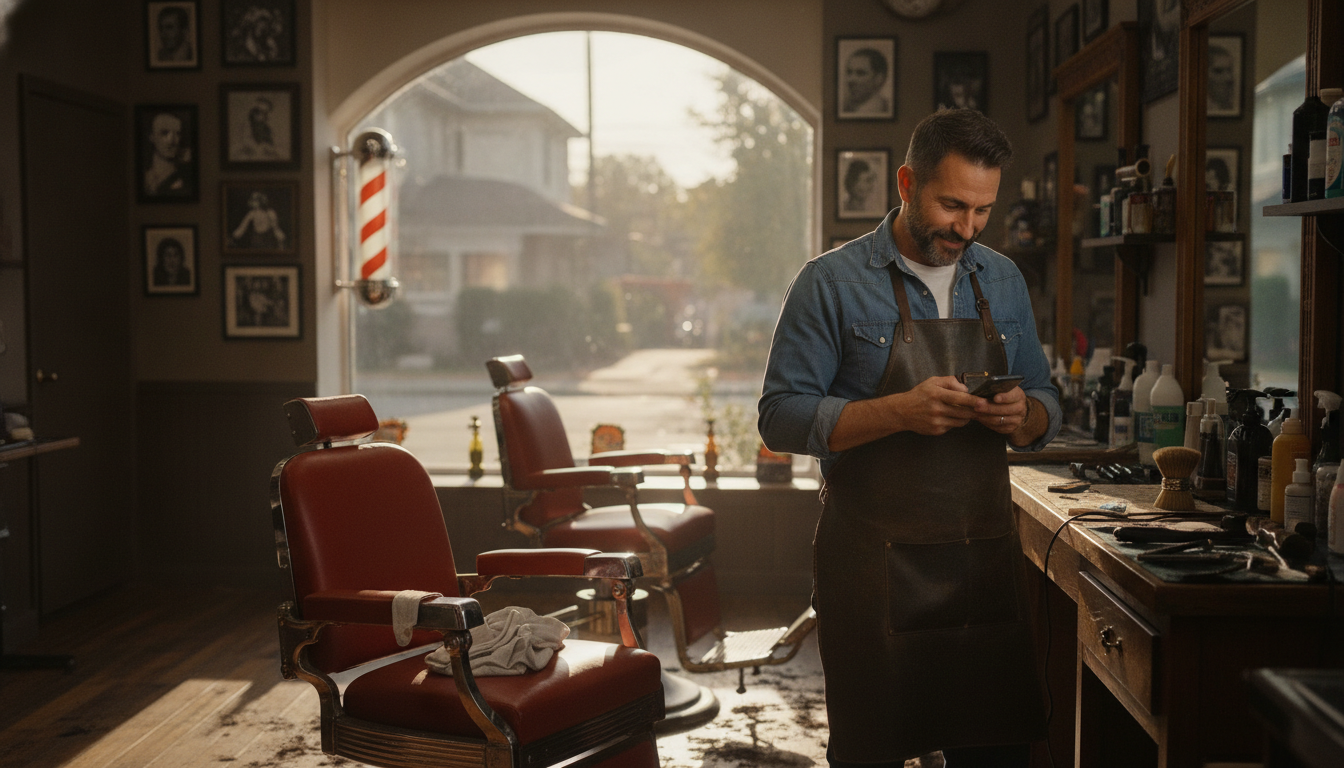
The easiest way to build your first context block is to answer five questions as if you are describing your business to a friend who has never visited but knows your town. Don't overthink it. Write the way you talk. The rougher and more specific it is, the better the AI output will be. A polished, corporate-sounding context block produces polished, corporate-sounding content. Gritty, specific, local detail produces content that makes your actual customers say 'that sounds exactly like them.'
- Question 1: If someone asked a local where to find you, what landmarks or streets would they use? Write that down exactly.
- Question 2: Who are your three most typical customers? Describe them in one sentence each - what they order, when they come in, what they usually say.
- Question 3: What is happening in your neighbourhood in the next six weeks that your customers will care about?
- Question 4: What is one thing your business does or says that a chain could never do or say?
- Question 5: What happened in your business in the last seven days that was specific, surprising, or worth sharing?
Paste your answers into a single document. That is your context block. The next time you ask any AI tool to write a caption, a promotional post, or a response to a review, add the line: 'Here is context about my business - use this to make everything you write specific to my location, customers, and voice' and paste it in above your actual request. The difference in output quality is immediate and significant.
Why This Is the Foundation, Not a Workaround

Local context isn't a prompt trick - it's your competitive edge
National brands spend heavily to manufacture local relevance. You have it by default - your business is already embedded in a specific street, a specific community, a specific seasonal rhythm. The only reason your AI content doesn't reflect that is because nobody told it. Platforms like Rulrr are built around this principle: local business context gets loaded in first, so every piece of content that comes out is grounded in the actual details of your location, your customers, and your calendar - not a generic average. When your content references the farmers market two streets away, or the September school rush your neighbourhood knows, customers recognise it as genuinely local. That recognition is what drives the saves, the shares, and the walk-ins that generic content never produces.
Your context block also compounds over time. As you update it seasonally - swapping in the new autumn menu, noting the Christmas market that appears on your corner, adding the running club that stops in after Sunday morning sessions - your content gets sharper and more timely automatically. Ten minutes of input work, once a quarter, is what separates content that performs locally from content that reads like it was written for everywhere and nowhere at once.
The businesses winning with AI content right now aren't doing anything technically sophisticated. They are just giving the tool something real to work with. Specificity is the entire strategy.
Start today. Open a blank document, answer the five questions above in the plainest language you can, and save it somewhere you can paste from quickly. The blank-page problem that kills most local marketing efforts isn't fixed by more time or more budget - it's fixed by having the right raw material ready before you start. Your neighbourhood, your regulars, and your seasonal rhythm are things no competitor and no national chain can replicate. The only question is whether your content reflects them.