Every time you offer a discount, you are training your customers to wait. You are signalling that your real price is negotiable - and that patience pays. A bundle does the opposite. It says: everything you want is here, right now, at a price that makes sense together. Three local businesses - a barbershop in Manchester, a casual restaurant in Austin, and a boutique clothing store in Amsterdam - each tested that idea in a single quarter. None of them touched their headline prices. All three lifted average transaction value by between 18% and 26%. The mechanic behind each one is the same, and you can replicate any of them before the end of the week.
Why Discounts Erode What Bundles Build
The distinction between a discount and a bundle is not cosmetic - it is psychological. A discount reduces the perceived value of something you already sell. A bundle creates a new object: a combination that did not exist before, priced so the customer feels they are getting more, not paying less. The critical outcome is that your individual prices remain anchored. A customer who buys a bundle today does not arrive next time expecting a reduction - they arrive wondering what the next combination might be. That single behavioural shift is worth compounding.
We stopped running Tuesday discount nights. Instead we built a 'Date Night' set menu at a price that actually covered our labour. Covers went up. Complaints about the bill went down. The only thing that changed was the framing.
The Three Bundle Architectures - One Per Business Type
The Barbershop: The Experience Stack
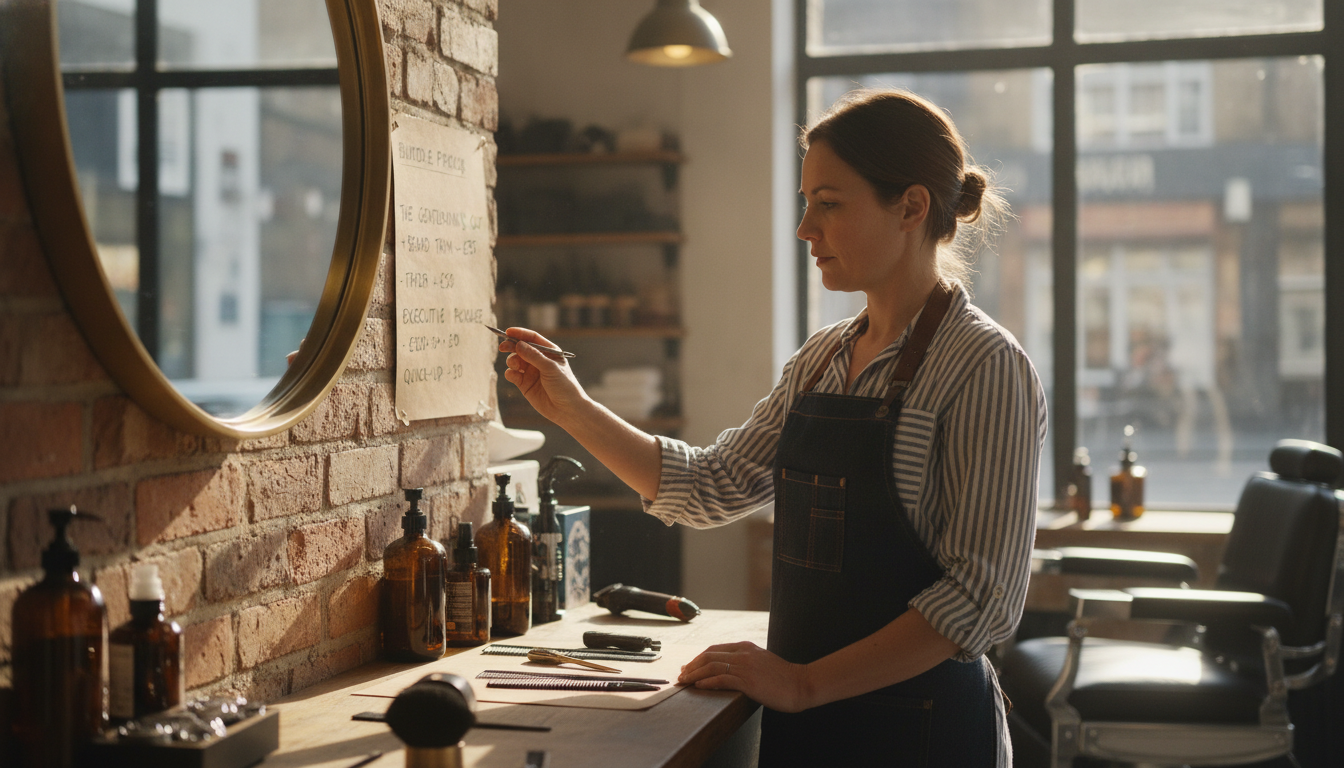
The Manchester barbershop was running a standard haircut at £28. Beard trims were priced separately at £12. Occasionally a customer would add a hot towel shave. The owner rebuilt this as a single 'Sharp Finish' experience: cut, beard line-up, and a hot towel finish for £45. The individual prices added to £50+. The bundle communicated value rather than reduction - and the average ticket climbed from £29.40 to £44.80 within eight weeks. The key design decision: the bundle was given a name, a clear description, and it was positioned as the default on the booking page, not an upsell.
The Restaurant: The Value Sequence
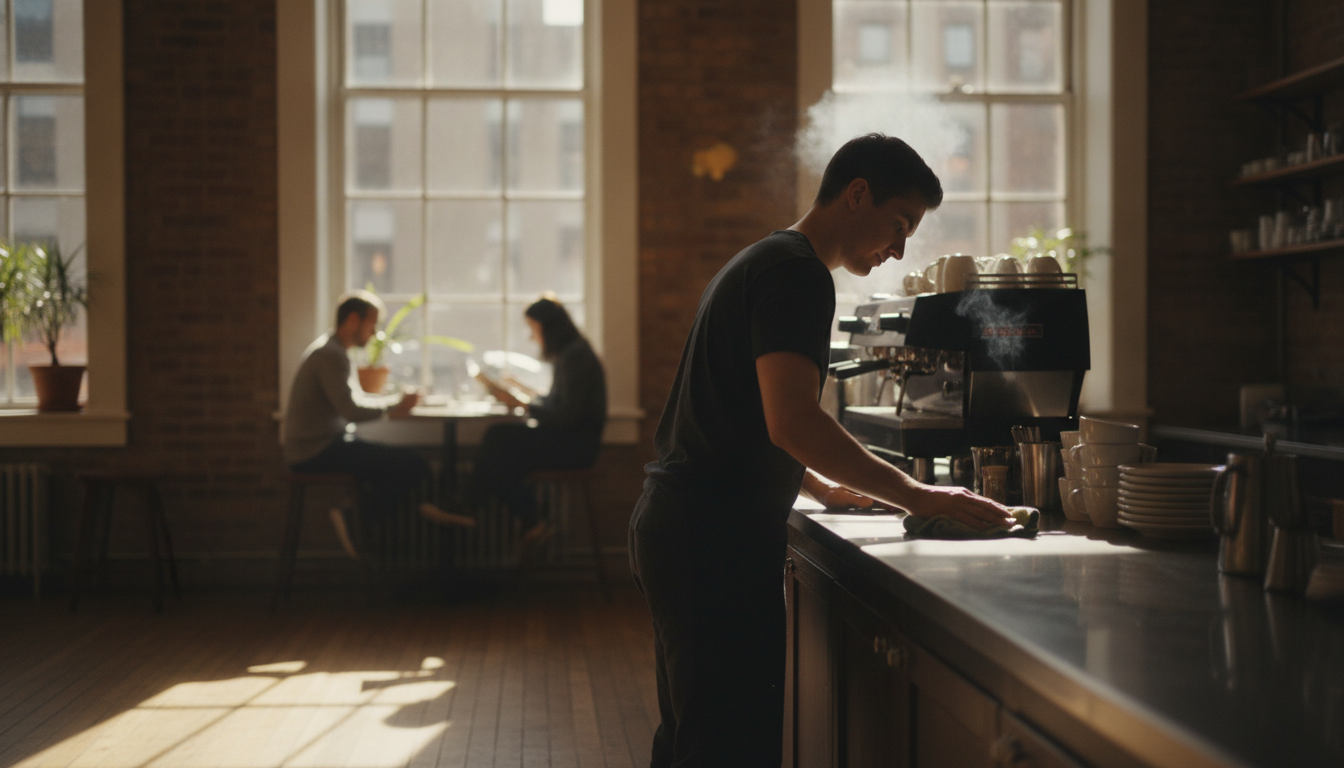
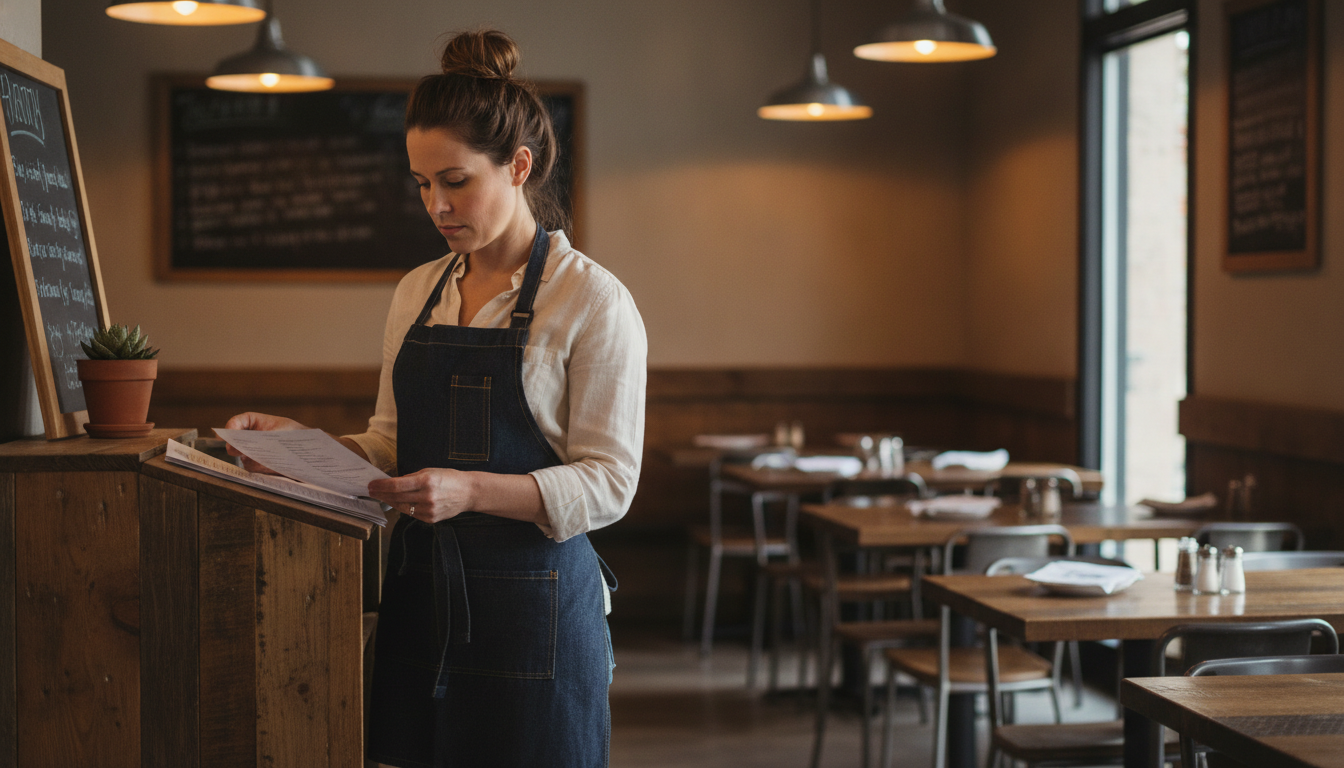
The Austin restaurant had a problem familiar to every casual dining owner: guests regularly ordered an entree and water, leaving without a starter, dessert, or second drink. The owner did not discount the entree. Instead, they built a two-course and three-course set format at $38 and $49, with the specific dishes chosen to carry strong margins. Crucially, the format was framed around the experience - 'A proper evening, start to finish' - rather than savings. The a la carte menu remained available but was printed smaller. Average spend per cover moved from $31 to $43. No new dishes. No price cuts.
The Boutique Retail Store: The Outfit Bundle
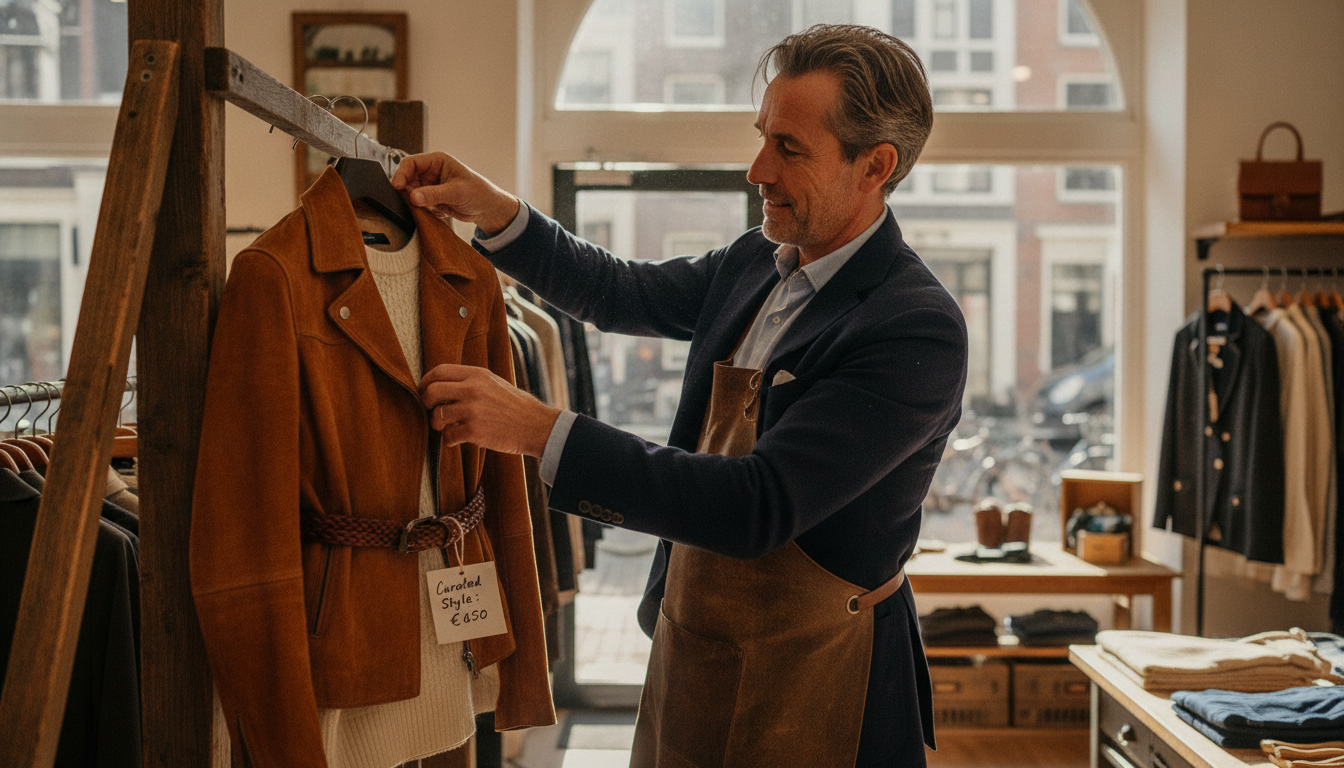
The Amsterdam clothing boutique had strong individual item sales but almost no multi-item transactions. The owner began building 'Complete Look' pairings on the shop floor - a specific jacket with a specific shirt and a belt - displayed together, priced as a combination with a €15 saving on the total, but critically, a saving built from rounding, not from discounting any single item. The combination saved the customer a decision and reduced friction. Average basket value rose from €67 to €94 over one season. The owner noted that the visual merchandising change alone - items grouped rather than categorised - drove some of the lift before any formal pricing was introduced.
The Four Rules Every Bundle Has to Follow
- Name the bundle specifically - 'The Sharp Finish' or 'Date Night for Two' beats 'Package A'. A name creates a product. A code creates confusion.
- Build in at least one high-margin component the customer would not have bought alone. That is where the lift actually comes from.
- Anchor the bundle against the individual total. Showing £45 versus '£50+ if booked separately' lets the customer do the maths themselves - and they always choose the bundle.
- Make the bundle the default, not the upsell. Position it as the obvious choice on your menu, booking page, or shop floor layout. Upsells get skipped. Defaults get taken.
- Retire bundles seasonally. Scarcity and rotation keep them feeling curated rather than permanent - and give you a reason to communicate with existing customers when something new launches.
Framing and Promoting the Bundle Without a Copywriter
The offer architecture is the hard part. Writing about it is not. Each of the three businesses above needed to communicate their bundle to existing customers via social posts, email, and in-venue signage - without spending days on copy. This is exactly the kind of repeatable content task that AI-assisted tools like Rulrr are built for: you describe the bundle, the audience, and the tone, and you get the caption, the email subject line, and the in-store card copy back in minutes. The creative brief does not need to be elaborate. 'Our new Sharp Finish bundle, targeting male regulars aged 25-45, warm and confident tone, emphasise the full experience not the saving' is enough. The point is that once your bundle structure is solid, getting it in front of the right people becomes a fast, repeatable execution - not a project.
The Offer Is the Strategy
Most local business owners think of marketing and pricing as separate departments. The businesses growing fastest right now treat them as the same conversation. The bundle is not a promotion running alongside your real menu - it is the product you are actually selling. Build the offer with margin and psychology in mind first. Then use your marketing to describe it clearly and consistently. The gap between a business running 15% discount nights and one running a named bundle experience is not ambition or budget - it is structure. And structure is something you can design on a Tuesday afternoon.
Where to Start This Week
- Pull your last 30 transactions and identify your three most commonly bought individual items. Those are your bundle candidates.
- Find one high-margin item or service that rarely appears in transactions alone. That is your bundle anchor.
- Build one named combination, price it at a 10-15% perceived saving versus the individual total, and make it the first thing a customer sees - on your menu, your booking page, or your counter.
- Write a single social post describing the bundle as an experience, not a deal. If writing copy is the bottleneck, use Rulrr to generate the first draft from a two-line brief.
- Run it for four weeks before judging it. Average transaction value is a slow metric - give it time to compound.
Twenty-two percent is not a magic number. It is what happens when you stop competing on price and start competing on value architecture. The businesses that figure this out early build a margin buffer that protects them in every slow season and every competitive moment that follows. The ones that keep discounting train their customers - and their own teams - to believe that the price is always negotiable. It does not have to be.